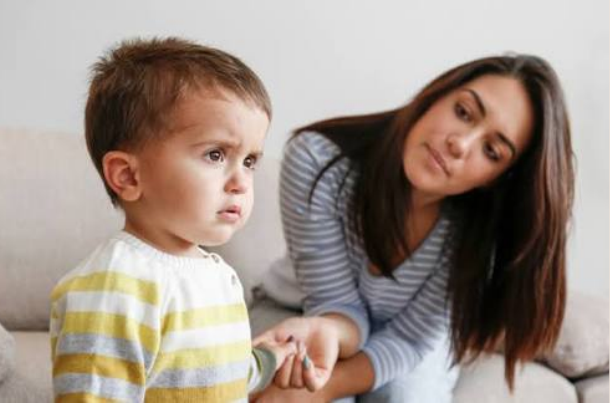
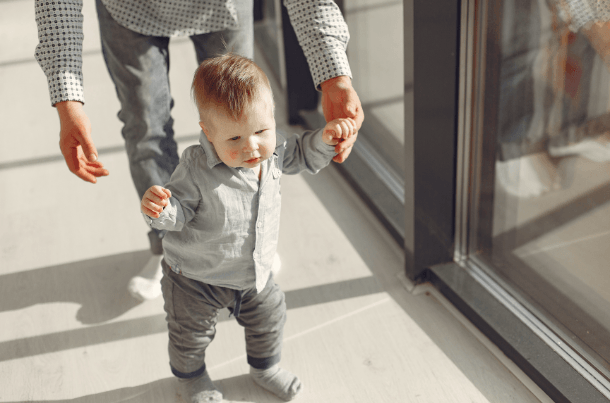
Early signs baby will walk soon can appear gradually as your little one develops stronger muscles, better balance, coordination, and confidence. Watching your baby prepare for their first steps is exciting, especially when they begin pulling up on furniture, standing independently, or moving around the sofa.
Pulling up to stand, cruising along furniture, balancing without support, and taking steps while holding your hands are some of the clearest signs that a baby is getting ready to walk. However, there is no way to predict the exact day those first independent steps will happen.
Some babies move through these stages quickly, while others practice for weeks or even months. Both can be completely normal. Your baby is not only strengthening their legs, they are also developing balance, coordination, confidence, and body awareness.
Here are the most common signs that your little one may be getting closer to walking.
When Do Babies Usually Start Walking?
Many babies take their first independent steps sometime around their first birthday, but there is a wide range of normal development. Some babies begin walking earlier, while others need more time.
The Centers for Disease Control and Prevention lists walking without holding on as a milestone that most children achieve by 18 months.
A baby’s walking timeline may be influenced by:
- Muscle strength and balance
- Confidence and personality
- Opportunities for floor play
- Previous movement patterns
- Whether the baby was born prematurely
- Individual development
An active baby may walk later than another baby who seems less adventurous. Some babies prefer crawling because it helps them move quickly, while cautious babies may wait until they feel completely steady.
Instead of comparing your baby with another child, look at the progress they are making over time.
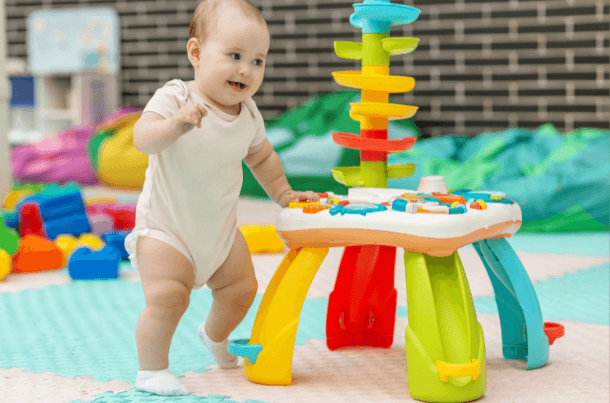
10 Early Signs Your Baby Will Walk Soon
Learning to walk is a gradual process that begins long before your baby takes their first independent step. As their leg muscles become stronger and their balance improves, you may notice small changes in how they move, such as pulling up on furniture, standing briefly without support, or cruising along the sofa.
1. Pulling Up to Stand
Pulling up on furniture is often one of the first noticeable signs that a baby is moving toward independent walking.
Your baby may grab the sofa, a low table, your legs, or the side of a sturdy activity center and pull themselves into a standing position. At first, the movement may look awkward. They might use mostly their arms or need help figuring out how to lower themselves again.
With practice, babies begin using their legs more effectively. This helps strengthen the muscles they will need for standing and walking.
Make sure any furniture your baby uses for support is stable and secured. Once pulling up begins, lightweight furniture, televisions, drawers, and shelves can become tipping hazards.
2. Cruising Along Furniture
Cruising means walking sideways while holding onto furniture. It is one of the strongest signs that your baby is preparing to walk independently.
Your baby may hold the sofa with both hands and slowly move one foot, followed by the other. As their balance improves, they may begin moving faster or holding on with only one hand.
Cruising helps babies practice:
- Shifting their weight between their feet
- Moving their legs in a walking pattern
- Coordinating their upper and lower body
- Maintaining balance while moving
- Judging distances between objects
Some babies cruise for only a short time before walking. Others happily cruise around the room for several months. There is no fixed countdown from cruising to independent steps.
3. Standing Without Support
When your baby starts letting go of furniture and standing independently, even for two or three seconds, it shows that their balance is developing.
You might notice this happen accidentally at first. Your baby may become distracted by a toy, let go of the sofa, and suddenly realize they are standing alone.
Over time, those brief moments may become longer. Your baby might also begin standing up from the floor without pulling on anything. This is an advanced balance skill and can be a sign that independent walking is getting closer.
Try not to react with a loud gasp when your baby lets go. A calm smile and gentle encouragement can help them feel confident rather than startled.
4. Walking While Holding Your Hands
If your baby takes steps while holding your hands, they are learning how it feels to move forward while staying upright.
In the beginning, they may lean heavily on you or take high, exaggerated steps. Gradually, you may notice that they rely less on your hands and carry more of their own weight.
Hold your baby’s hands at a comfortable level rather than pulling their arms high above their head. Let them control the pace and stop when they appear tired or frustrated.
Hand-held walking does not need to become a daily training session. A few playful steps are enough.
5. Moving Between Pieces of Furniture
Your baby may begin reaching from the sofa to a nearby chair or taking one quick step across a small gap.
This is sometimes called “bridging.” It shows that your baby is learning to judge distance and trust their balance without continuous support.
At first, your baby may keep one hand on each surface. Later, they may let go completely for a moment before reaching the next piece of furniture. Those tiny transfers can gradually turn into independent steps.
Keep stable furniture close enough for safe practice, but do not create a crowded path with sharp corners or unstable objects.
6. Squatting and Standing Back Up
Squatting requires strength, balance, and control. If your baby can lower themselves to pick up a toy and return to standing, their legs and core are becoming stronger.
You may see your baby:
- Bend their knees while holding the sofa
- Reach down for a toy
- Sit carefully instead of falling
- Rise from a squat with minimal support
This ability is useful for walking because babies need to adjust their bodies constantly to remain balanced.
Placing a favorite toy near your baby’s feet can encourage safe bending and reaching, but never force the movement.
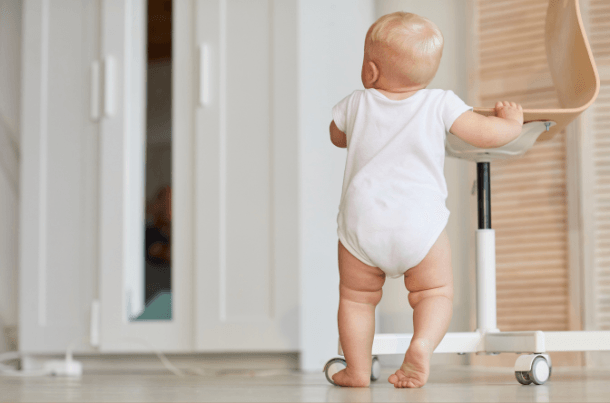
7. Pushing Sturdy Objects
A baby who pushes a stable toy, box, or child-sized chair while stepping forward is practicing the basic movement used for walking.
Push toys can give babies a little support while allowing them to move more independently. However, the toy must be stable and should not roll away too quickly.
Always supervise this activity, especially on smooth floors. A fast-moving toy can cause a baby to fall forward. Weighted push toys or sturdy objects that move slowly are usually easier for beginners to control.
Push toys are different from seated baby walkers with wheels. Seated walkers are not recommended because they can lead to serious injuries and do not help babies learn a natural walking pattern.
8. Climbing Stairs or Low Furniture
Some babies become interested in climbing before they walk. Your baby may try to climb onto sofa cushions, crawl up stairs, or lift a leg onto a low surface.
Climbing uses many of the same muscles needed for walking, particularly those in the hips, legs, and core. It also involves planning movements and shifting body weight.
This new curiosity means babyproofing becomes especially important. Install securely mounted safety gates at stairs and supervise your baby closely. Teach them how to come down backward, feet first, but do not depend on that skill for safety.
9. Improved Balance and Fewer Falls
A baby preparing to walk may begin looking steadier during everyday movement.
You might notice that your baby:
- Sits down with more control
- Stands with less wobbling
- Recovers after briefly losing balance
- Uses one hand for support instead of two
- Changes direction while cruising
- Falls less frequently during familiar movements
When babies first stand, they often keep their feet wide apart to create a stable base. As balance improves, their stance may gradually become narrower and their movements more controlled.
Falls will still happen. Small tumbles are a normal part of learning, so create a safe practice area rather than trying to prevent every minor fall.
10. Letting Go and Taking One or Two Steps
The most obvious sign your baby will walk soon is letting go of support and attempting a step.
Those early steps may look wide, stiff, and unsteady. Your baby may hold their arms out for balance and quickly drop onto their bottom. They might take one step today and not try again for several days.
This does not mean they have forgotten how to walk. Babies often experiment with a new skill and then return to familiar movements while building confidence.
Celebrate gently, keep your phone nearby if you hope to capture the moment, and allow your baby to decide when to try again.
Quick Guide to Walking-Readiness Signs
| Sign | What Your Baby Is Practising |
|---|---|
| Pulling up to stand | Leg and core strength |
| Cruising along furniture | Sideways stepping and weight shifting |
| Standing independently | Balance and stability |
| Walking while holding hands | Forward movement |
| Moving between furniture | Distance judgment and confidence |
| Squatting and standing | Muscle control |
| Pushing a stable toy | Supported forward steps |
| Climbing | Coordination and leg strength |
| Letting go briefly | Independent balance |
| Taking one or two steps | Beginning to walk independently |
These signs are helpful clues, not a timetable. A baby can show several of them and still need time before walking alone.
How to Encourage Your Baby to Walk Safely
There is no exact answer. Some babies take independent steps soon after learning to stand, while others continue cruising for weeks or months.
If your baby is already attempting to walk at 9 months, you may naturally wonder whether that is unusually early. This guide on whether 9 months is early for first steps explains what parents should know about early walking.
Standing and walking require related but different skills. A baby may have enough strength to stand but still be working on balance, coordination, or the confidence to let go.
Crawling is also much faster for an experienced crawler. Your baby may simply prefer the easiest way to reach a toy rather than experimenting with slow, wobbly steps.
As long as your child is progressing and your pediatrician is comfortable with their development, there is usually no need to rush.
Provide Plenty of Floor Time
Give your baby regular opportunities to move on a safe, open floor. Floor play allows babies to practise crawling, pulling up, sitting, standing, and changing positions naturally.
Limit unnecessary time in equipment that restricts movement, such as swings, bouncers, and activity seats.
Let Your Baby Go Barefoot Indoors
Bare feet can help a baby feel the floor and use their toes for balance. On safe, clean indoor surfaces, shoes are generally unnecessary.
Non-slip socks may be useful in cold rooms, although regular socks can be slippery. Shoes become important outdoors to protect your baby’s feet from rough surfaces, heat, and sharp objects.
Create Safe Distances
Place a stable chair or ottoman close to the sofa so your baby can practise moving between them. Start with a very small gap and allow your baby to decide whether they feel ready.
Never pull them across the space or make the gap deliberately difficult.
Place Toys at Standing Height
Put an interesting toy on a secure, low surface. This may motivate your baby to pull up, stand, reach, or cruise.
Change the toy’s position occasionally so your baby can practise moving in both directions.
Offer Encouragement Without Pressure
Smile, clap softly, and welcome your baby into your arms when they attempt a step. If they prefer to sit or crawl, let them.
Walking practice should feel like play, not a performance your baby must complete.
What Should Parents Avoid?
Your excitement is understandable, but more practice is not always better. Avoid:
- Forcing your baby to stand or walk
- Pulling them forward by their arms
- Comparing them with siblings or other babies
- Using seated baby walkers with wheels
- Allowing practice near stairs without a safety gate
- Using unstable furniture for support
- Putting slippery socks on smooth floors
- Expecting shoes to make a baby walk sooner
Development cannot be hurried. A safe environment and freedom to move are usually more helpful than special walking products.
When Should You Speak With a Pediatrician?
Every baby develops differently, but it is sensible to discuss concerns with your child’s pediatrician or health visitor.
Ask for professional advice if your baby:
- Is not walking independently by 18 months
- Does not bear weight through their legs
- Appears unusually stiff or floppy
- Consistently uses one side of the body more than the other
- Drags one leg or foot
- Has movement that appears painful
- Has lost a skill they previously had
- Is not making progress over time
- Was born prematurely and you have questions about adjusted age
These signs do not automatically mean something is wrong. A healthcare professional can look at your child’s overall development and determine whether further assessment or support is needed.
If you are worried at any age, you do not have to wait for a particular milestone deadline before asking for guidance.
Frequently Asked Questions
Do babies become fussier before they start walking?
Does standing early mean a baby will walk early?
How long after cruising do babies walk?
Can a baby walk without crawling first?
Are push walkers good for babies?
Avoid seated walkers with wheels. These can move quickly, allow babies to reach hazards, and may cause serious injuries.
Should babies wear shoes while learning to walk?
Why does my baby walk while holding furniture but not alone?
Final Thoughts
So, what are the early signs baby will walk soon? Pulling up, cruising, standing without support, squatting, pushing stable objects, and attempting one or two independent steps all suggest that your baby is developing the skills needed for walking.
Still, these signs cannot tell you exactly when the big moment will happen. Your baby may walk tomorrow, or they may spend several more weeks perfecting their balance.
Create a safe space, give them plenty of opportunities to move, and enjoy watching their confidence grow. Those first wobbly steps will arrive on your baby’s own timeline, and they will be worth the wait.
For more practical baby-development guidance, milestone tips, and everyday parenting support, explore TotAdvice for helpful resources designed to support you through each new stage of your baby’s growth.
Trusted Resources
- CDC: Milestones by 18 Months
- CDC: Milestones by 1 Year
- American Academy of Pediatrics: Shoes for Active Toddlers
- NHS Children’s Health: Learning to Walk
Disclaimer
This article is for general educational and informational purposes only and is not a substitute for personalised medical or developmental advice from your pediatrician or another qualified healthcare professional. Babies develop at different rates. Speak with your pediatrician if your baby does not bear weight through their legs, appears unusually stiff or floppy, consistently uses one side of the body more than the other, has painful movement, stops making developmental progress, loses a previously acquired skill, or is not walking independently by 18 months.
About the Author
Geeta Yogi writes warm, practical, and parent-friendly content about baby development, movement milestones, early walking, newborn care, and everyday parenting. She focuses on helping parents understand their baby’s developmental progress, encourage natural movement safely, and recognize when professional guidance may be helpful.