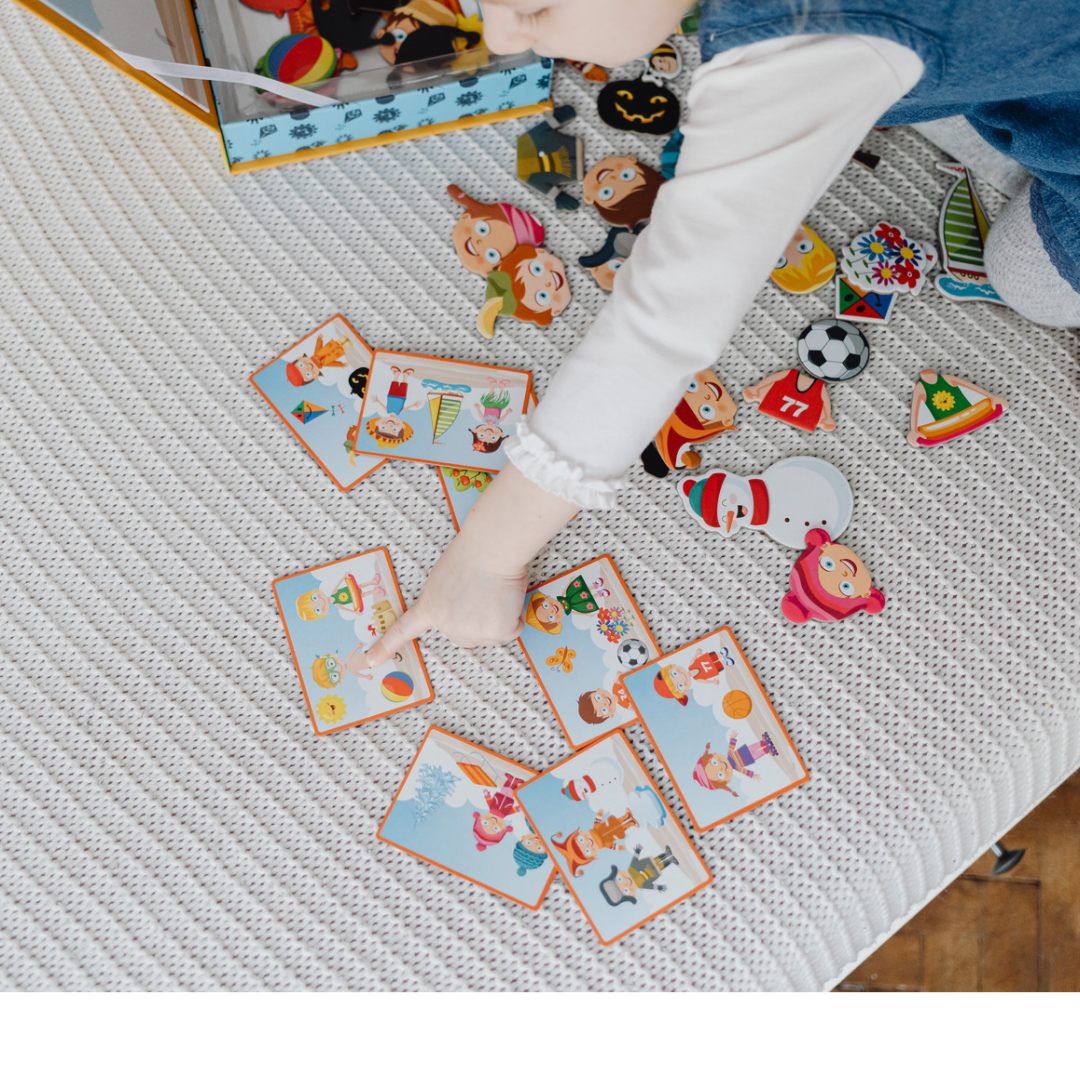

A peaceful moment with a toddler can turn into tears surprisingly quickly. Your little one is happily building a tower when you announce bath time. Suddenly, the blocks go flying. Toddler transitions can feel surprisingly difficult, especially when you’re simply trying to move through an ordinary day.
Perhaps your child loves the park but cries when it’s time to leave. Or getting dressed becomes a struggle before you’ve even finished your morning tea.
These moments can leave you tired, confused, and wondering what you could have done differently. Understanding why changes feel hard, and having a few gentle strategies ready, can help you approach them with more confidence.
What Are Toddler Transitions?
Toddler transitions are everyday shifts between activities, places, or caregivers. They happen when your child stops playing to eat, leaves home for childcare, turns off a screen, or gets ready for bed.
Some changes seem small to us because we know what comes next. We understand that leaving the playground means going home for lunch. A toddler may simply experience the sudden ending of something enjoyable.
Think about what the change asks of a child: stop, pay attention, understand an instruction, manage disappointment, and begin something else. That can be a lot to handle at once.
Your child may need help with the change even when they understand the instruction.
Why Do Toddlers Struggle With Transitions?
Their feelings are bigger than their words
A toddler may know exactly what they want without being able to explain it clearly.
“I haven’t finished my tower” might come out as a scream. “I wanted another turn” might become crying on the playground floor. Frustration and still-developing language can contribute to tantrums in young children.
In that moment, a short, understanding response is often easier to follow than a long explanation.
They want a say in what happens
Toddlers are discovering their preferences. They want the blue cup, the familiar shoes, or another page of their favorite book.
Being told what to do all day can feel frustrating. Small choices offer a manageable way to participate. Two simple, acceptable options are often clearer than a yes-or-no question about something that needs to happen.
You can decide that it’s time to get dressed while letting your child choose between two shirts.
Hunger and tiredness make things harder
Sometimes the transition is only part of the problem. Your toddler may also be hungry, tired, or feeling unwell.
These conditions can make frustration harder to manage. A change that went smoothly yesterday may feel much harder today.
Before trying a new strategy, consider whether your child needs food, rest, comfort, or a quieter environment.
The next step feels uncertain
You know the plan for the afternoon. Your toddler may only know what is happening right now.
Predictable routines can make the sequence easier to understand. A familiar order of activities gives your child clues about what is coming next.
This doesn’t require a strict timetable. A familiar order, lunch, cleanup, then rest, can be a useful starting point.
How to Make Toddler Transitions Easier
You don’t need to introduce every idea at once. Choose one difficult moment and try one or two changes consistently.
1. Connect before giving the instruction
When possible, move close to your child before announcing a change. Say their name and briefly notice what they’re doing.
“You’re putting the last block on your tower. Bath time is coming.”
This acknowledges the activity before asking the child to stop. You don’t need to demand eye contact; simply make sure your words have a chance to be heard.
2. Give a clear, simple warning
A sudden ending can be upsetting. Try offering one understandable cue before the activity finishes.
“One more turn on the slide, then we’re going home.”
For a young toddler, a concrete ending may be easier to follow than “five minutes.” Choose something you can carry out, and follow through calmly rather than adding another turn each time they protest.
3. Use “first, then” language
Short phrases can make the next step clearer:
- “First shoes, then outside.”
- “First wash hands, then lunch.”
- “First pajamas, then our book.”
Use the real sequence rather than promising something you cannot provide. If you say a book comes next, make room for the book.
Your child may still object, but the instruction gives them a simple plan to follow.
4. Offer two acceptable choices
If leaving is necessary, “Do you want to go home?” creates a choice you may be unable to honor.
Instead, try: “Would you like to walk beside me or have me carry you?”
Both options should be safe and practical. If your toddler cannot choose and carrying is safe for both of you, you can decide: “Choosing is hard right now. I’ll carry you.” Do not offer carrying if you cannot safely manage it; choose another practical option.
Keep your tone matter-of-fact. The choice helps them participate without making the necessary change uncertain.
5. Name the feeling and keep the boundary clear
Understanding disappointment doesn’t mean you have to change the plan.
“You wish we could stay. You’re having fun. We’re going home now, and I’ll help you.”
You can offer comfort while following through. Your toddler doesn’t need to agree with the boundary before you act on it.
Keep this brief when your child is upset. Repeating a long explanation can make an already difficult moment feel more demanding.
6. Create a familiar ending ritual
A small ritual can give an activity a recognizable finish.
You might wave goodbye to the swings, sing a cleanup song, or tuck a toy into its basket before bedtime. A playful element may help your child take part without making the change feel quite so abrupt.
Treat rituals as experiments. If waving goodbye makes your child more upset, try something simpler. The useful ritual is the one that fits your family.
7. Give your toddler a small job
Some children enjoy having something specific to do during the change.
“Can you carry your hat to the door?”
“Please put this book beside the bed.”
Choose a task they can manage without much help. If they refuse, continue calmly; the job is an invitation, not another argument to resolve.
8. Leave a little extra time
Rushing makes it harder to stay patient. When possible, begin getting ready before you absolutely need to leave.
A little extra time allows for a lost shoe, a last page, or a disappointed child who needs help moving forward.
You cannot create spare minutes every day. On hurried mornings, simplify the routine and use fewer instructions rather than expecting yourself to deliver the perfect response.
9. Notice small efforts
A transition doesn’t have to be tear-free to include progress.
“You were sad to leave, and you held my hand.”
“You put your truck away when playtime finished.”
Specific praise tells your child what you noticed. A short, specific comment makes the effort easier for your child to recognize.
Focus on their effort and actions. They’re allowed to feel disappointed while learning how to move forward.
Adjust Toddler Transitions to Your Child’s Needs
The same strategy will not suit every toddler. A child who is overwhelmed by noise may need a quieter departure, while a child who struggles to understand spoken instructions may benefit from a picture or gesture. You can show shoes before saying “outside,” or point to the towel before announcing bath time.
Keep the cue simple. A few pictures showing the actual next steps can be more manageable than a complicated schedule. Introduce them during a calm moment, and check whether they help rather than expecting your child to understand immediately.
If a transition suddenly becomes harder, consider the destination too. A child resisting a bath may find hair washing painful or frightening; a child resisting dressing may dislike a seam or have irritated skin. A clear boundary does not require ignoring discomfort. Address the cause and adapt the task where possible.
Children with developmental or communication differences may need more preparation, smaller steps, or individual support. Ask your child’s care team for advice suited to their abilities rather than expecting the same pace as another child.
Gentle Scripts for Common Difficult Moments
Leaving the playground
Give a clear ending before you begin leaving: “One more slide, then home.”
When that turn finishes, say, “The slide is finished. Let’s wave goodbye. Walk with me or be carried?”
If tears follow, acknowledge them and help your child leave safely. You don’t need to reopen the decision.
Moving from playtime to bath time
Try preserving something your child cares about: “Your tower can stay here while we have a bath.”
Then offer a small next step: “Would you like to bring the duck or the boat?”
If the tower cannot remain where it is, be honest. You might offer to take a photo before helping with cleanup.
Ending screen time
Decide on a stopping point before viewing begins, such as the end of an episode. Explain what comes afterward.
When the endpoint arrives, follow through and offer the planned next activity. Plan the endpoint, acknowledge disappointment, and keep the boundary clear while helping your child move on.
Saying goodbye at childcare
Create a brief goodbye routine with your child’s caregiver: a hug, a familiar phrase, and a wave.
Tell your child when you’ll return using something meaningful in their day, if possible. Coordinate with the caregiver so your child receives support after you leave. Say goodbye openly rather than slipping away without telling them. Avoid promising a return time you cannot keep.
If separation remains very distressing, talk together about what happens before and after goodbye rather than guessing what might help.
What If Your Toddler Has a Tantrum Anyway?
Preparation cannot prevent every tantrum. If your child becomes overwhelmed, concentrate on safety and keeping your response simple.
Move objects that could hurt someone. Calmly prevent hitting, biting, or running into danger. Use only the physical help needed for immediate safety; avoid pinning a child down or pulling them by an arm to force cooperation. You might say, “You’re upset. I’m here. I won’t let you hit.”
Offer comfort if your child wants it. If they don’t want to be touched, stay nearby when it is safe to do so. You can stay calmly nearby while an upset child is safe, without demanding that they stop crying immediately.
Save teaching for later. Once they settle, briefly describe what happened and return to the routine.
And notice your own needs. Take a breath, lower your voice, or ask another trusted adult to take over when available. If you feel close to losing control, make sure your child is in a safe place and ask another trusted adult for help if available. If you spoke sharply, you can repair afterward: “I was frustrated and shouted. I’m sorry. I’ll try to speak calmly.”
When Should You Seek Extra Support?
Speak with your child’s pediatrician if tantrums involve injuries, dangerous behavior, or distress that regularly prevents ordinary activities. Also bring up concerns about communication, sleep, development, or skills your child has stopped using. Loss of previously used skills deserves prompt discussion rather than being treated simply as resistance to a routine.
Self-injury, aggression that risks harm, or tantrums that worsen as a child gets older deserve professional advice. You can seek guidance sooner whenever you are concerned.
Difficulty with transitions alone does not establish a developmental diagnosis. Share concrete examples so the clinician can understand your child’s experience and help you decide what support is appropriate.
Frequently Asked Questions
Is it normal for toddlers to cry during transitions?
Crying or protesting can happen when an enjoyable activity ends. Notice the intensity, how your child recovers, and the effect on everyday life. Frequent or severe difficulties are worth discussing with your pediatrician.
Can a timer help with toddler transitions?
You can try one as a predictable signal. Some children enjoy pressing the button, while others dislike the sound. If it increases distress, use a quieter cue, such as finishing one song or taking one final turn.
How much warning should I give my toddler?
Start with one simple warning and a clear endpoint. “One more page, then pajamas” may be more useful than several reminders. Adjust based on your child’s response; there is no single warning length that suits every toddler.
Should I give extra playtime when my toddler cries?
You can offer comfort while keeping an announced endpoint. Try to choose a realistic stopping point beforehand. If plans genuinely change, explain simply rather than making extra time depend on how strongly your child protests.
Will a consistent routine stop every tantrum?
No routine prevents every difficult moment. Familiar sequences can help, but tiredness, disappointment, and unexpected changes still happen. Look for gradual improvements rather than expecting immediate, perfectly calm cooperation.
What should I say when my toddler refuses to stop playing?
Keep it short: “You want to keep playing. Playtime is finished. Walk with me or be carried?” Then help them follow through safely. A long discussion is unlikely to make the decision clearer in an upset moment.
What if We Need to Leave Immediately for Safety?
A warning is helpful when there is time, but immediate safety comes first. Move your child away from traffic, water, or another hazard using the safe physical help needed. Keep your words brief: “I need to keep you safe. We’re moving now.” You can acknowledge the disappointment and explain more once you are somewhere safe.
Can Pictures Help a Toddler Understand the Next Step?
They may help some children. Start with two familiar pictures, such as shoes and the door, and pair them with a short phrase. Use the same cue consistently and watch your child’s response. A picture is a support, not a guarantee that they will accept the change calmly.
What if Different Caregivers Use Different Routines?
Agree on a few shared expectations and simple phrases where possible. For example, everyone might give one clear warning before leaving and help your child safely afterward. Exact timetables can differ between home and childcare. Tell your toddler what happens in each setting and share observations about which cues help.
How Can I Tell Whether the Strategies Are Helping?
Look for manageable changes over time: your child begins one step with help, accepts a cue more often, or recovers more comfortably after leaving. Tears may still happen. If distress remains intense, disrupts daily activities, or seems linked to pain or developmental concerns, ask for individualized guidance rather than adding more strategies indefinitely.
A Gentle Reminder for the Mom Having a Hard Day
It can feel exhausting when leaving the house, serving lunch, and starting bedtime each require more patience than you have left.
Choose one transition to work on. Try a clear warning, a small choice, and a familiar next step. Notice what helps, and adjust what doesn’t.
Your toddler is learning how to handle endings and beginnings, and you are learning what support they need. Some days will still include tears. With warmth, clear limits, and help when needed, you can keep finding your way through these everyday changes together.
For tomorrow, choose one predictable moment to practice. Prepare the next step, use one clear cue, and offer support through the change. You can keep learning what works without expecting yourself or your toddler to handle every transition perfectly.
For more practical tips on toddler routines, big feelings, and everyday parenting, explore Tot Advice. Find ideas that fit your family, and take each new step together at a pace you can manage.
Resources
American Academy of Pediatrics: Screen Time and Temper Tantrums, Helpful Tips for Parents
CDC: Tips for Building Structure
Mayo Clinic: Temper Tantrums in Toddlers, How to Keep the Peace
American Academy of Pediatrics: Top Tips for Surviving Tantrums