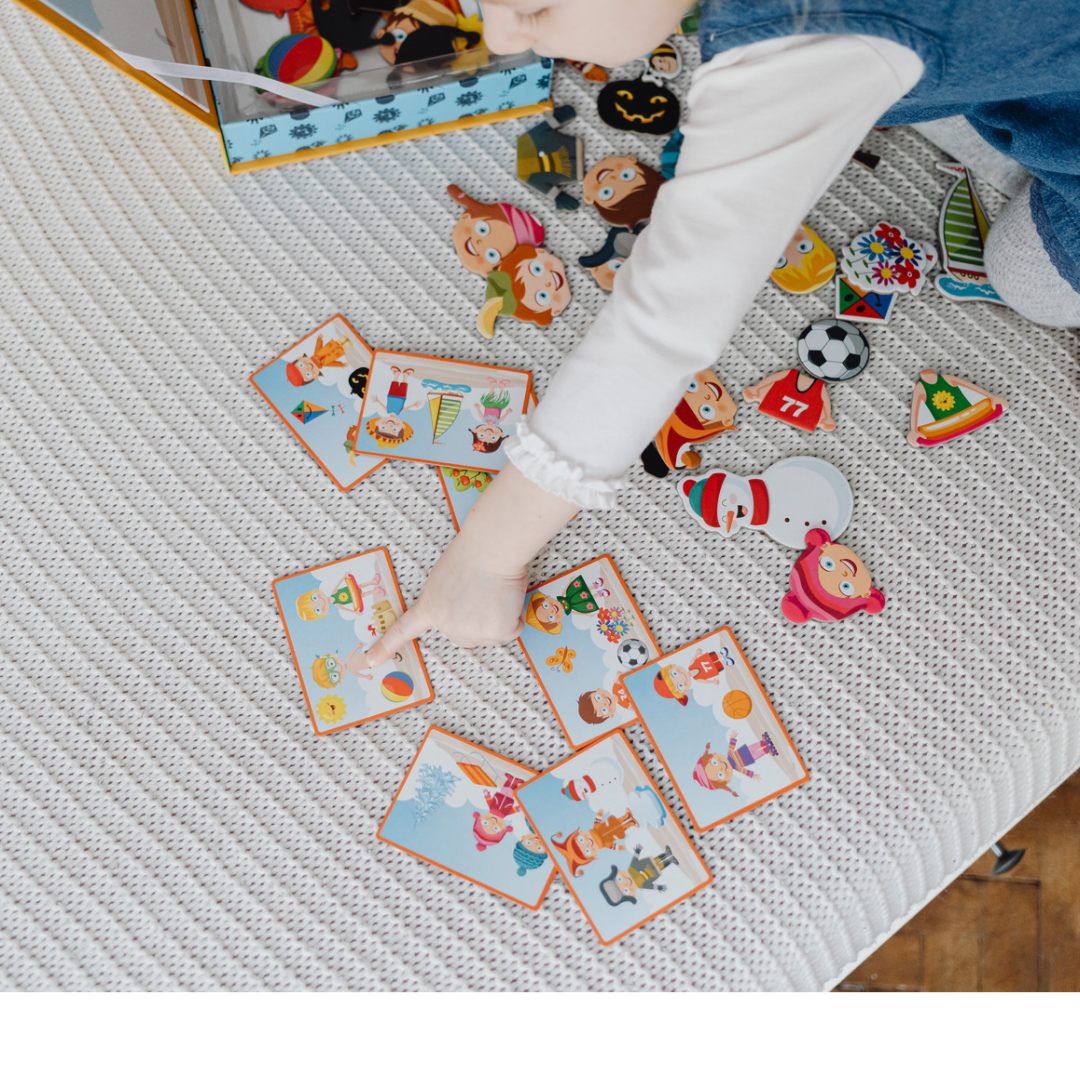

Improve your child’s concentration by first understanding what makes focusing difficult for them. If your child sits down to complete homework but becomes distracted within minutes, starts an activity and leaves it unfinished, or quickly moves on to something else, they may need practical support rather than stricter discipline.
The reassuring truth is that concentration is a skill that develops gradually. Young children are naturally curious, energetic, and easily drawn toward whatever seems most interesting at that moment. Even older children may struggle to focus when they are tired, hungry, worried, overwhelmed, or simply uninterested in the task.
Improving concentration does not mean expecting your child to sit quietly for hours. It means understanding what is affecting their attention and creating habits that make focusing easier. With patience, realistic expectations, and a few practical changes, you can help your child strengthen this important skill.

Why Does My Child Have Trouble Concentrating?
There is not always one clear reason. A child’s ability to focus can change from one day to another depending on their mood, health, environment, and the difficulty of the task.
Common reasons children struggle to concentrate include:
- Not getting enough sleep
- Hunger or irregular meals
- Too many distractions
- Spending long periods on a difficult task
- Worry, stress, or anxiety
- Lack of physical activity
- Instructions that feel confusing or overwhelming
- Learning difficulties
- Vision or hearing problems
- Attention-deficit/hyperactivity disorder, commonly called ADHD
Before assuming your child is being careless or refusing to listen, look at what may be happening around them. A child who concentrates deeply while drawing, building with blocks, or playing a favorite game clearly has the ability to focus. They may simply need more support using that skill during less enjoyable activities.

How Long Should a Child Be Able to Concentrate?
There is no exact concentration time that applies to every child. Attention span depends on age, personality, development, interest, sleep, and the activity itself.
A preschooler may engage with an interesting activity for only a short period before needing to move. A school-aged child can usually concentrate for longer, particularly when the task is clear and manageable. However, even adults find it difficult to focus continuously without breaks.
Instead of watching the clock too closely, consider whether your expectations are realistic for your child. Asking a five-year-old to complete a long worksheet without moving is very different from asking them to match five pictures and then take a short break.
The goal is not perfect concentration. It is gradual progress.
1. Create a Quiet and Simple Workspace
Children can find it difficult to ignore activity happening around them. A television playing in the background, toys on the table, people talking, or frequent phone notifications may repeatedly pull their attention away.
Choose a consistent place for homework, reading, or other focused activities. It does not need to be a separate study room. A quiet corner of the dining table can work just as well.
Before your child begins:
- Clear unnecessary objects from the table.
- Turn off the television.
- Keep tablets and phones out of reach unless needed for the task.
- Place pencils, paper, books, and other supplies nearby.
- Make sure the chair and lighting are comfortable.
Some children focus better in complete silence, while others prefer gentle background sound. Observe your child instead of assuming that one setup works for everyone.
2. Break Large Tasks Into Smaller Steps
“Finish your homework” may sound like one instruction to an adult, but it can feel like a huge and confusing request to a child.
Break the work into clear, smaller steps. For example:
- Take out your math book.
- Complete the first five questions.
- Check your answers.
- Take a short break.
- Start the next section.
Completing one small part gives your child a sense of progress. It also makes the task feel less intimidating.
For younger children, give one instruction at a time. If you ask them to put away their toys, wash their hands, get their schoolbag, and come to the table all at once, they may remember only the first or last part.
3. Use Short Focus Sessions
Long study periods do not always produce better learning. A tired, frustrated child may remain in the chair without truly paying attention.
Try using short focus sessions followed by brief breaks. The right length will depend on your child’s age and ability. A younger child may begin with 10 minutes of focused work, while an older child may manage 20 to 30 minutes.
During the break, encourage your child to:
- Stretch
- Walk around
- Drink water
- Do a few jumps
- Look outside
- Take several slow breaths
Avoid turning every break into screen time. It may be difficult for your child to return to a quiet task after watching a stimulating video or playing a fast-paced game.
4. Follow a Predictable Daily Routine
Children often settle more easily when they know what will happen next. A regular routine reduces the number of transitions and arguments surrounding homework or reading time.
Your child’s afternoon routine might look like this:
- Arrive home and have a snack
- Relax or play for a short time
- Complete homework
- Enjoy outdoor play
- Eat dinner
- Prepare for the next day
- Follow a calming bedtime routine
The schedule does not need to be strict down to the minute. It simply needs to be predictable enough that your child knows when it is time to work, play, eat, and rest.
If possible, avoid beginning homework at a time when your child is exhausted or extremely hungry. The best time for focused work is the time when your individual child is usually most alert.
5. Protect Your Child’s Sleep
A tired child may appear forgetful, irritable, restless, or unable to listen. Adequate sleep supports attention, behavior, learning, and overall health.
According to sleep recommendations referenced by the CDC, children aged 6 to 12 generally need 9 to 12 hours of sleep in 24 hours, while teenagers aged 13 to 18 need 8 to 10 hours. Individual needs can vary, but a consistent routine remains important.
Help your child wind down by:
- Keeping bedtime and wake-up time fairly consistent
- Dimming lights before bed
- Avoiding exciting games close to bedtime
- Keeping screens out of the bedroom when possible
- Creating a calming routine with a bath, quiet conversation, or reading
If your child snores heavily, has difficulty falling asleep, wakes frequently, or remains unusually tired despite spending enough time in bed, discuss it with their healthcare provider.
6. Encourage Daily Physical Activity
Children are not designed to remain seated throughout the day. Movement gives them an opportunity to release energy and can help them return to quiet activities feeling more settled.
Running, cycling, dancing, swimming, climbing, playing catch, or simply walking together can all count as physical activity. The CDC recommends at least 60 minutes of daily moderate-to-vigorous activity for children and adolescents aged 6 to 17. This time does not have to happen all at once.
Whenever possible, allow your child to move before expecting a long period of concentration. Ten minutes of active play after school may make the transition to homework smoother.
7. Offer Regular, Balanced Meals and Snacks
Children may find it hard to concentrate when they are hungry or thirsty. Regular meals and planned snacks help provide steady energy throughout the day.
Try combining foods from different groups. Examples of simple snacks include:
- Fruit with yogurt
- Apple slices with nut or seed butter, if safe for your child
- Cheese with whole-grain crackers
- Hummus with cucumber or carrot sticks
- A boiled egg with toast
- Roasted chickpeas
- Milk with a banana
There is no single “brain food” that instantly improves concentration. A varied eating pattern, adequate water, sleep, and regular movement matter more than any special supplement.
Avoid giving concentration supplements, herbal products, or high-caffeine drinks to a child unless their doctor specifically recommends them.
8. Set Reasonable Screen Boundaries
Screens are part of modern childhood and are not automatically harmful. However, they can interfere with homework, physical activity, family time, and sleep when they do not have clear boundaries.
Create a few simple family rules, such as:
- No entertainment screens during homework
- Devices stay away from the dining table
- Screens are turned off before bedtime
- Homework tabs are kept separate from games and videos
- Notifications are silenced during focused work
Parents can model the same habits by putting away their own phones during conversations, meals, and family activities.
Instead of focusing only on the number of hours, consider what screen use is replacing. If your child still sleeps well, stays active, completes responsibilities, and connects with family and friends, you are looking at the full picture rather than treating every minute of screen time equally.
9. Use Games That Naturally Build Attention
Concentration practice does not need to look like schoolwork. Many traditional games encourage children to listen, remember instructions, wait for a turn, and notice details.
Helpful activities include:
- Jigsaw puzzles
- Matching-card games
- Building blocks
- “Simon Says”
- “I Spy”
- Mazes
- Spot-the-difference pictures
- Age-appropriate board games
- Coloring and drawing
- Storytelling
- Simple cooking activities
Reading aloud is another gentle way to build listening skills. Pause occasionally and ask questions such as, “What do you think will happen next?” or “Why do you think the character did that?”
Choose activities your child genuinely enjoys. Children are more likely to practise concentration when the experience feels playful rather than like another lesson.
Play also supports much more than attention. As children build, pretend, explore, and solve small problems, they practise language, creativity, emotional skills, and flexible thinking. If you would like to understand this connection more deeply, read how kids learn through play.
10. Teach One-Task-at-a-Time Habits
Multitasking often divides attention rather than improving it. A child who is watching a video, replying to messages, and completing homework at the same time may take longer and make more mistakes.
Encourage your child to finish one small task before beginning another. You can write a short checklist and let them tick off each item as it is completed.
For example:
- Read two pages.
- Answer three questions.
- Put the book away.
- Pack the schoolbag.
The list should be short enough to feel achievable. A page covered with 15 tasks may create more stress than motivation.
11. Praise Effort and Specific Progress
Repeatedly saying “Pay attention” may make a child feel that they are always failing. Instead, notice exactly what they did well.
You might say:
- “You stayed with that puzzle even when it became difficult.”
- “You completed five questions before taking your break.”
- “I noticed you turned the television off before starting.”
- “You listened carefully and followed both steps.”
Specific praise helps children understand which habits are working. It also shows them that concentration is something they can practise, rather than a quality they either have or do not have.
Try not to compare your child with siblings or classmates. One child may finish quickly, while another works slowly and carefully. Progress should be measured against your child’s own starting point.
12. Talk to Your Child About What Feels Difficult
Sometimes the most useful step is simply asking your child what is getting in the way.
Choose a calm moment and say something like, “I’ve noticed homework has been feeling difficult lately. Is the work confusing, are there too many distractions, or are you feeling tired?”
Your child may reveal that:
- They do not understand the lesson.
- The classroom feels noisy.
- They are worried about making mistakes.
- They are being teased at school.
- The print looks blurry.
- They are afraid of disappointing you.
- The work is too easy or too difficult.
Listen before offering solutions. Concentration problems are sometimes a signal that a child needs emotional, educational, or medical support, not stronger discipline.
What Should Parents Avoid?
While helping your child improve concentration, try to avoid:
- Expecting long periods of silent work
- Calling your child lazy or careless
- Comparing them with other children
- Removing every opportunity for play
- Punishing them for developmentally normal restlessness
- Turning each mistake into a lecture
- Offering screens as the only reward
- Starting vitamins or supplements without medical advice
Pressure may make a child sit still temporarily, but it does not necessarily create meaningful attention. Children learn more effectively when they feel safe, supported, and capable.
When Should You Seek Professional Help?
Occasional distraction is normal. Consider speaking with your child’s teacher and healthcare provider if concentration difficulties:
- Continue for several months
- Occur both at home and at school
- Interfere significantly with learning or relationships
- Are accompanied by extreme impulsivity or restlessness
- Cause frequent emotional outbursts
- Begin suddenly
- Occur alongside persistent sadness, worry, or sleep problems
- Make everyday instructions unusually difficult to follow
- Are accompanied by concerns about hearing, vision, speech, or development
Difficulty concentrating does not automatically mean a child has ADHD. Anxiety, poor sleep, learning differences, hearing or vision difficulties, and several other factors can affect attention. ADHD also cannot be confirmed through a single online quiz. A qualified professional should consider the child’s development, health, behavior, and experiences across more than one setting.
Speaking with the teacher can be a useful first step because they can explain how your child manages instructions, independent work, transitions, and classroom distractions.
FAQs
At what age should a baby start eating independently?
How do I encourage my baby to self-feed?
What are the best foods for baby self-feeding?
Can I combine spoon feeding and baby self-feeding?
What if my baby only plays with food?
How long does it take for a child to learn to use a spoon?
Final Thoughts
Learning how to improve your child’s concentration begins with understanding that attention develops over time. Your child may not need stricter rules or longer study sessions. They may need more sleep, clearer instructions, fewer distractions, regular movement, or work that has been divided into manageable pieces.
Start with one or two small changes instead of trying everything at once. Perhaps create a calmer homework space this week and introduce short movement breaks the next. Notice what helps, adjust what does not, and celebrate gradual progress.
Most importantly, avoid making concentration a daily battle. Your child’s difficulty focusing is not a reflection of their intelligence, or your parenting. With patience, encouragement, and the right support, they can build habits that make learning feel more manageable and rewarding.
For more gentle and practical parenting guidance, explore the latest articles at Tales of Tots.
Helpful Resources
- CDC: Physical Activity Guidelines for School-Aged Children
- HealthyChildren.org: Healthy Sleep and Back-to-School Tips
- HealthyChildren.org: How Play Helps Children Thrive
- NHS: ADHD in Children and Young People
- NHS: Anxiety in Children
Disclaimer
This article is for general educational and informational purposes only and is not a substitute for professional medical advice. Every pregnancy is different, and individual health needs may vary. Always discuss pregnancy concerns, symptoms, exercise, mental health, or medical decisions with your healthcare provider.
About the Author
Geeta Yogi writes warm, practical, and supportive content about pregnancy, motherhood, baby care, and family wellness. She focuses on helping parents feel informed, confident, and emotionally supported through every stage of their parenting journey.