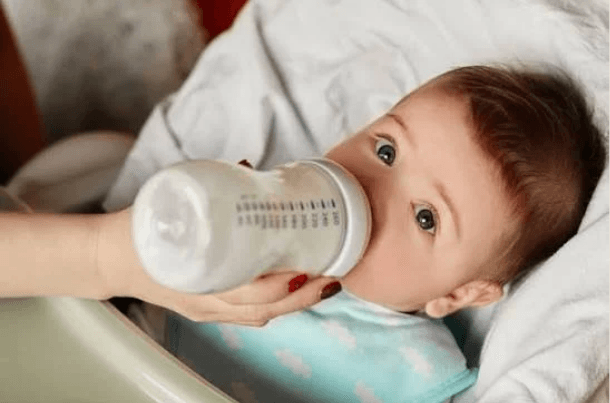
Until what age should a child drink milk from a bottle? Most babies can begin practising with a cup at around 6 months, with the bottle-to-cup transition generally completed between approximately 12 and 18 months.
So, until what age should a child drink milk from a bottle? Most children can begin learning to drink from a cup around 6 months, with the goal of gradually moving away from bottles between about 12 and 18 months.
But please remember that this is a transition, not a parenting test. Some toddlers happily swap their bottle for a cup, while others hold onto it tightly. If yours is in the second group, you are certainly not alone.
Until What Age Should a Child Drink Milk From a Bottle?
The American Academy of Pediatrics recommends gradually transitioning from bottles to cups, usually completing the transition between 12 and 18 months.
You don’t have to wait until your child’s first birthday and suddenly hide every bottle in the house. In fact, introducing an open or training cup when your baby begins eating solid foods at around 6 months can make the later transition feel much more natural.
By around 12 months, you can start offering more drinks in a cup and slowly reduce bottle use. Ideally, bottles should be phased out by around 18 months.
Of course, every child’s situation is a little different. Premature babies, children with feeding difficulties, developmental differences, or medical needs may follow another timeline. Your pediatrician or feeding specialist can help you decide what is appropriate for your child.
Why Do Toddlers Get So Attached to Their Bottles?
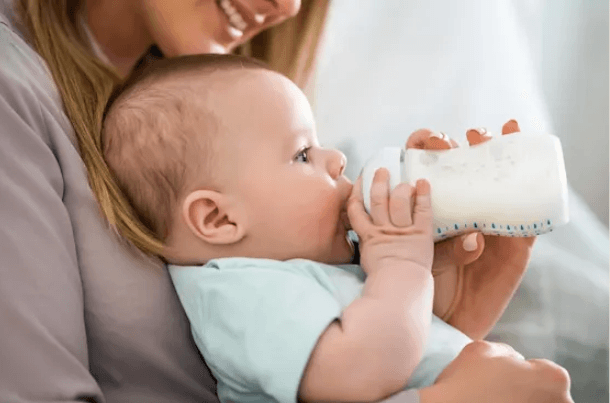
The comfort attached to a bottle can be easy for adults to underestimate.
To us, it looks like a plastic bottle filled with milk. To a toddler, it may represent warmth, familiarity, and safety.
Your child may have had that bottle beside them since their earliest days. They’ve held it while snuggling against you, used it to settle when tired, and perhaps fallen asleep with it hundreds of times.
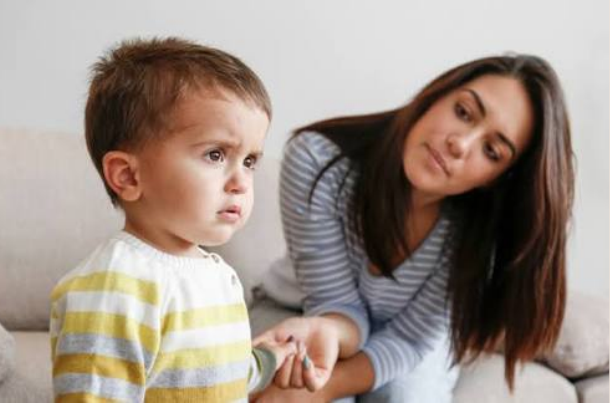
So when a toddler refuses to give up the bottle, they’re not necessarily being difficult or stubborn. They’re adjusting to the loss of something familiar.
Understanding that can completely change the way we approach weaning.
Instead of thinking, “How do I make my child give this up?” try thinking, “How can I help my child feel just as safe without it?”
That small shift can make the whole process gentler.
What Age Should a Child Stop Using a Bottle?
For most children, the period between the first and second birthdays is an important time for moving away from bottles.
Many families begin reducing bottle feeds around 12 months and work toward completing the bottle-to-cup transition by about 18 months.
If your toddler is already older than this and still uses a bottle, don’t panic. You haven’t missed some tiny window that can never be reopened.
You can start today, slowly and consistently.
The goal isn’t to create a battle around something your child finds comforting. It’s to help them learn a new way to drink while gradually replacing the comfort associated with their bottle.
Why Is Prolonged Bottle Feeding a Concern?
There are good reasons pediatric and dental professionals encourage families to move away from bottles during toddlerhood.
One of the biggest concerns is dental health.
If a toddler regularly falls asleep with milk, formula, juice, or another drink containing sugars in a bottle, their teeth can remain exposed for long periods. Naturally occurring sugars count too; a drink does not need added sugar to contribute to decay. Moving milk earlier and brushing afterward helps change that pattern.
Brush from the first tooth, twice daily with fluoride toothpaste. For children under 3, use a smear about the size of a grain of rice; ages 3–6 use a pea-sized amount, with adult help. Ask your dentist about your child’s individual needs.
Frequent bottle drinking can also become so filling that some toddlers aren’t as hungry when family meals arrive. If your child drinks large amounts of milk throughout the day, you may notice that breakfast, lunch, and dinner suddenly seem much less interesting.
These possible prolonged bottle-feeding effects don’t mean you should feel guilty if your toddler still has a bottle. They simply give you good reasons to begin working toward the next stage.
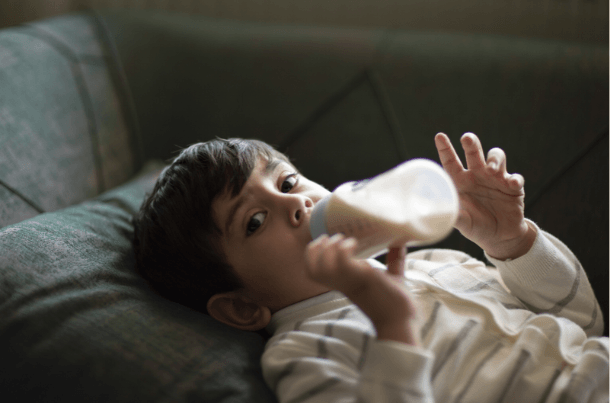
How to Wean a Toddler Off the Bottle Without Making Everyone Miserable
You don’t need to turn bottle weaning into a dramatic overnight event.
For many children, gradual changes work beautifully.
Start With the Easiest Bottle
Think about which bottle your toddler cares about the least.
Maybe the mid-morning bottle is mostly habit, while the bedtime bottle is deeply treasured. Start with the easier one.
For a toddler aged 12 months or older, offer their usual appropriate milk in a cup with a meal or snack, and water as needed. If your child is younger than 12 months, cup practice should not replace necessary breast milk or infant formula feeds with water or cow’s milk. Then fill that familiar part of the day with something pleasant—playtime, a walk outside, a story, or a cuddle.
Once your child seems comfortable without that bottle, move on to another.
Let Your Toddler Have Some Control
Toddlers love having choices.
Instead of announcing, “No more bottles,” try giving your little one two acceptable options.
Would they like the cup with the bear or the cup with the stars? Would they like milk with breakfast or after breakfast?
You’re still setting the boundary, but your child gets to make a small decision within it.
That little bit of control can matter enormously at this age.
Introduce the Cup Before You Remove Every Bottle
Don’t wait until bottle-weaning day to introduce a completely unfamiliar cup.
Give your baby opportunities to explore cups from around 6 months, once they are developmentally ready. At first, it may involve more spilling, chewing, and playing than actual drinking.
That’s okay.
Learning to use a cup is a skill, and skills take practice. Offer a small amount while your child is seated upright and you are nearby. Help hold or tip the cup gently, following their pace rather than pouring liquid into their mouth.
For babies under 12 months, breast milk or infant formula remains the main milk drink. Introducing a cup does not mean they are ready to lose needed milk feeds.
What Is the Best Cup After Bottle Feeding?
There isn’t one magical cup that works for every child.
A small open cup or a straw cup can help your child practice a new drinking skill. A training cup can also be a temporary step; it is not essential for every child. An open cup can feel wonderfully grown-up to a toddler, although you’ll probably want to keep a cloth nearby during those early attempts!
A straw cup can be another practical option, particularly when you’re out and about.
The best cup after bottle feeding is ultimately one your child can comfortably drink from, that is appropriate for their development, and that your family can use consistently.
You may need to try more than one style. That’s normal. Choose a cup your child can manage and clean all parts thoroughly, including straws and valves. Changing the container alone does not protect teeth if a child sips milk or sweet drinks throughout the day.
Sometimes we buy the cup we’re absolutely convinced our child will adore…and they become fascinated with the plain little cup we bought as a backup.
Toddlers do like keeping us humble.
How to Stop the Bedtime Bottle
Ah, the bedtime bottle.
For many families, this is the hardest one to say goodbye to because it isn’t really about thirst anymore. It’s woven into the bedtime ritual itself.
If you’re wondering how to stop the bedtime bottle, don’t just remove the bottle—replace what it represents.
Your old routine might look like this:
Bath → pajamas → bottle → sleep.
Gradually create a new rhythm:
Dinner or milk in a cup → bath → brush teeth → pajamas → story → cuddle → sleep.
The important part is keeping plenty of warmth and connection in the routine.
Your child still gets your lap.
They still get their favourite book.
They still get that ridiculous song you’ve sung so many times you could probably perform it while asleep.
Only the bottle is changing.
If you need a little inspiration for this new routine, these bedtime stories for kids offer gentle ideas for making storytime a comforting part of your evenings together.
Move the Bottle Earlier First
If your toddler currently drinks a bottle immediately before falling asleep, try moving it earlier in the bedtime routine for several days.
Offer the milk while your toddler is seated and supervised, before brushing teeth rather than while they are lying in bed. Avoid leaving a bottle or milk-filled cup in the bed. If they are thirsty afterward, offer plain water in a cup.
Once that feels normal, you can begin offering the milk in a cup instead.
Small changes are often easier for toddlers to accept than one huge change.
What If My Toddler Refuses to Give Up the Bottle?
Expect some protest.
Your toddler may cry, ask repeatedly for the bottle, or suddenly behave as though the cup they’ve happily used for three months is their greatest enemy.
That doesn’t automatically mean the transition is going badly.
Toddlers often protest changes simply because they’re changes.
Stay calm and acknowledge what your child wants. You might say that you know they miss their bottle and then offer a cuddle, story, stuffed animal, or another familiar comfort.
Acknowledge their disappointment, but also check whether the cup is genuinely difficult to use. Crying about a familiar routine is different from coughing with each sip or being unable to drink enough. Do not withhold needed fluids to force acceptance.
You don’t need to shame, tease, or tell your child that bottles are “for babies.” They’re already navigating a big developmental stage. Encouragement usually works better than embarrassment.
And try not to replace every difficult moment with another sweet drink or snack. What your child may actually be asking for is the soothing ritual they associated with the bottle.
A Gentle 7-Day Bottle-to-Cup Transition
Some toddlers need several weeks to transition, while others adapt surprisingly quickly. If your little one seems ready, you could try a simple one-week approach.
This example is for a toddler aged 12 months or older who can drink safely from a cup. It is not a plan for removing essential infant feeds or a substitute for a feeding specialist’s advice.
Days 1–2: Offer a cup with meals and snacks while keeping familiar bottles at other times.
Days 3–4: Replace the easiest daytime bottle with a cup.
Day 5: Replace another daytime bottle and add extra cuddles or playtime around the usual bottle time.
Day 6: Begin changing the bedtime routine by moving milk earlier and brushing teeth afterward.
Day 7: If your child is coping well, try replacing the final bottle with their cup and a comforting new ritual.
This isn’t a deadline.
If day four is an absolute disaster, you haven’t failed. Stay at that stage for a few more days before moving forward.
Treat this as an example, not a medically tested seven-day program. Your child’s drinking skills, nutrition, hydration, and response to the change matter more than the calendar.
Things That Can Make Bottle Weaning Easier
A few small choices can make the process much smoother:
- Start during a relatively calm period rather than during travel, illness, moving house, or another major change.
- Keep cups somewhere your toddler can easily see them at mealtimes.
- Let your child choose between two cups.
- Offer plenty of affection when removing a comfort bottle.
- Be consistent once you’ve completely removed a particular bottle.
- Ask other caregivers to follow the same routine.
- Praise attempts to use the cup without turning every sip into a huge event.
- Keep bedtime milk before toothbrushing rather than letting your child fall asleep drinking it.
Most importantly, don’t compare your child with someone else’s.
Your friend’s toddler may have thrown away the bottle at 12 months and never looked back. Yours may mourn it like a long-lost best friend.
Both children can still get there.
What Should You Avoid During Bottle Weaning?
Try not to turn the bottle into something forbidden and fascinating.
Constantly talking about how your toddler is “too big” for it can unintentionally make the bottle even more emotionally important.
I’d also avoid beginning the transition during an already stressful week if you have the choice. A new sibling arriving, starting daycare, illness, or travelling can make children reach even more strongly for familiar comforts.
And if you decide a particular bottle is gone, try not to repeatedly bring it back whenever your toddler protests.
That can make the boundary confusing.
Gentle doesn’t have to mean inconsistent. But a plan can change if your child is unwell, drinking poorly, or showing a feeding problem. Safety and adequate intake come before completing a schedule.
Do not dilute formula or milk to make the bottle less appealing. Prepare formula exactly as directed, and avoid adding sweeteners or other ingredients to persuade your child to drink.
You can hold a loving boundary while still saying, in your own way, “I know this is hard. I’m right here with you.”
Does My Toddler Still Need Milk After Giving Up the Bottle?
Giving up the bottle doesn’t necessarily mean giving up milk.
After 12 months, many children can drink pasteurized, plain whole cow’s milk from a cup as part of a balanced diet, unless their clinician recommends otherwise. Do not use cow’s milk as the main drink before 12 months. Plant-based drinks vary in protein, fat, and fortification; ask for advice before choosing one as the main alternative.
Bottle weaning does not require stopping breastfeeding. You can continue breastfeeding while teaching your child to use a cup for other drinks. Exactly what type and how much your child needs can depend on age, diet, growth, allergies, health conditions, and other individual factors.
And remember that milk isn’t the only source of nutrition as your child grows.
Meals and snacks increasingly become an important part of meeting nutritional needs during toddlerhood. Yogurt and cheese may contribute too, so nutrition is not measured only by the amount of milk in a cup. Excessive milk can crowd out iron-rich foods; discuss intake if your toddler relies heavily on milk and eats little else.
If you’re concerned that your child drinks very little milk, drinks excessive amounts, has an allergy, isn’t eating well, or isn’t growing as expected, speak with your pediatrician or another qualified healthcare professional.
When Should I Ask a Pediatrician for Help?
Bottle weaning is usually something families can handle gradually at home, but there are times when professional guidance can be helpful.
Talk with your child’s healthcare provider if your toddler struggles to swallow from cups, coughs or chokes frequently while drinking, has significant feeding difficulties, isn’t gaining weight as expected, eats a very limited range of foods, or has developmental or medical needs that affect feeding.
If your child drinks much less than usual, urinates noticeably less, has a dry mouth, or becomes unusually sleepy, seek prompt medical advice. If they cannot breathe during a choking episode, call emergency services immediately and use age-appropriate choking first aid. Repeated coughing with drinks needs assessment rather than more forceful practice.
You can also ask your child’s dentist about tooth discoloration, pain, or possible decay. Regular dental care matters even when the bottle transition is still in progress.
And sometimes you don’t need a serious problem to ask for help.
If you’ve tried repeatedly to make the transition and every attempt ends in distress, it’s perfectly reasonable to bring it up at your child’s next appointment.
So, When to Stop Bottle Feeding?
If you’ve come here looking for one simple answer, aim to begin the transition during your baby’s first year and gradually phase bottles out between approximately 12 and 18 months.
But don’t let that recommendation turn into a source of guilt.
If your 19-month-old is still clutching a bedtime bottle tonight, it doesn’t mean you’ve done anything terrible. It simply means you have a transition ahead of you.
Start with one bottle.
Introduce the cup.
Build a new little ritual.
Give lots of cuddles.
Then keep moving forward.
Frequently Asked Questions
Until what age should a child drink milk from a bottle?
Is it too late to stop bottle feeding at 2 years old?
Can my toddler have milk before bed after giving up the bottle?
Does my child need a sippy cup after stopping bottles?
Does stopping bottles mean my child should stop drinking milk?
Should I stop breastfeeding when I stop bottles?
Final Thoughts
Saying goodbye to the bottle can feel like a big step, for your toddler and for you. Something that has been part of your everyday cuddles and sleepy evenings is changing, and it’s okay to feel a little emotional about that.
Aim to gradually move from bottles to cups between 12 and 18 months, but let that guidance support you rather than make you feel guilty. If your child is older and still uses a bottle, you can begin with one manageable change.
Offer a cup, keep familiar comforts close, and build a bedtime routine filled with stories, songs, and cuddles. If drinking from a cup is difficult or you’re worried about your child’s intake, ask your pediatrician for help.
Your little one may be giving up a bottle, but they’re keeping what matters most: your comfort, your patience, and the reassurance that you’re right beside them.
For more gentle parenting tips as your little one grows, explore Tot Advice. Find encouragement and practical ideas to help you navigate each new stage, one small step at a time.
Resources
CDC: Cow’s Milk and Milk Alternatives
CDC: Choosing an Infant Formula
Disclaimer
This article is for general educational and parenting information only and does not replace individualized medical, feeding, nutritional, or dental advice. Speak with your child’s pediatrician, feeding specialist, or dentist if your child has difficulty drinking from a cup, frequently coughs or chokes while drinking, has significant feeding problems, eats a very limited diet, is not growing as expected, or has medical or developmental needs that affect feeding. Seek prompt medical advice if your child is drinking much less than usual, urinating noticeably less, has a dry mouth, or becomes unusually sleepy. If your child cannot breathe during a choking episode, call emergency services immediately and use age-appropriate choking first aid.
About the Author
Geeta Yogi writes warm, practical parenting content about toddler feeding, nutrition, routines, development, sleep, and everyday family transitions. She focuses on gentle, realistic guidance that helps parents support growing children through new stages while recognizing when professional feeding, medical, or dental advice may be helpful.