
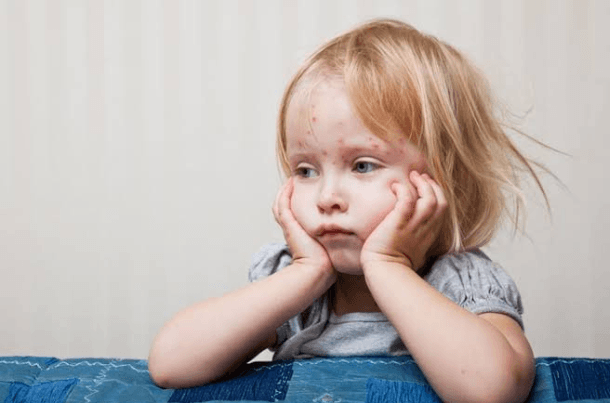
A rash appears after school, and by bedtime it looks different. Is it a scraped knee, an allergic reaction, or an infection your child could pass to someone else? Children’s skin changes quickly, and several conditions can look alike at first.
This guide walks through common skin infections in children, the clues that may help you recognize them, and when to call a clinician. A description or photo cannot confirm a diagnosis, especially when the rash is spreading or your child feels unwell.
Is every childhood rash a skin infection?
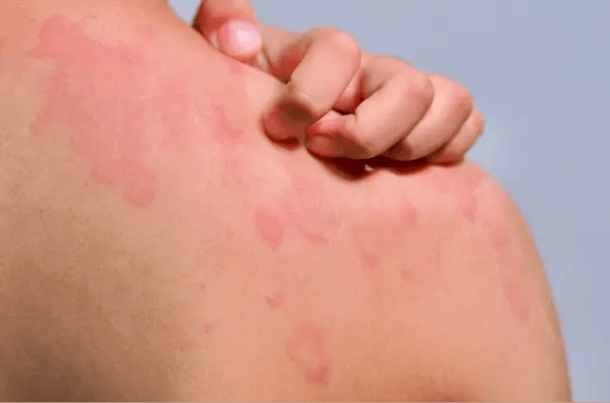
Eczema is an inflammatory skin condition, not an infection, although scratching can sometimes lead to a secondary infection. If you’re trying to tell whether an itchy rash might be eczema, hives, or another skin reaction, this guide to skin allergies in kids explains the common clues. The distinction matters because an antibiotic, antifungal medicine, and eczema moisturizer do different jobs.
| Condition | Typical clue | Cause | Usual care |
|---|---|---|---|
| Impetigo | Sores with honey-colored crusts, often around the nose or mouth | Bacteria | Clinician-prescribed antibiotic |
| Ringworm | Itchy, scaly patch, sometimes ring-shaped; scalp infection may cause hair loss | Fungus | Antifungal treatment; scalp cases need prescription oral medicine |
| Molluscum contagiosum | Small, smooth bumps, often with a central dimple | Virus | Often clears without treatment |
| Scabies | Intense nighttime itching, often between fingers or on wrists; other household members may itch | Mites | Prescription treatment and close-contact measures |
| Hand, foot, and mouth disease | Fever, painful mouth sores, spots on hands or feet | Virus | Fluids and comfort care; watch for dehydration |
| Cellulitis | Painful, warm, swollen patch that spreads | Bacteria | Prompt medical assessment and antibiotics when diagnosed |
| Chickenpox | Itchy spots turning into fluid-filled blisters in crops | Varicella-zoster virus | Medical advice, especially for higher-risk children; vaccination helps prevent it |
These are patterns, not a way to diagnose a rash at home. Skin color also changes how a rash looks: inflammation may appear red, purple, brown, or simply darker than surrounding skin.
1. Impetigo: crusty sores that spread easily
Impetigo is a contagious bacterial skin infection. It may begin as a small sore or blister that breaks and leaves a characteristic golden or honey-colored crust. It often appears near the nose and mouth but can occur anywhere, especially where skin has been scratched or broken.
A clinician may prescribe an antibiotic ointment for a few spots or an oral antibiotic when the infection is more extensive. Keep the area clean, discourage picking, wash hands after touching it, and avoid sharing towels. Cover sores when practical.
Once appropriate antibiotic treatment has started, many children with impetigo can return to school or childcare when they feel well enough to take part in normal activities. As a general guide, wait at least 12 hours after treatment begins and keep any exposed sores covered where practical. Always follow your school, childcare provider, or local health guidance if their rules are stricter.
2. Ringworm: a fungal rash, despite its name
Ringworm has nothing to do with worms. On the body, it can form an itchy, scaly patch with a more active border and a clearer center, although it does not always make a perfect ring. On the scalp, watch for scaling, broken hairs, or a patch of hair loss.
Antifungal cream can treat many body infections, but scalp ringworm needs prescription medicine taken by mouth. Ask a clinician to check a suspected scalp infection. Avoid sharing hairbrushes, hats, towels, and bedding, and consider whether a pet has a suspicious patch of hair loss.
Do not use a steroid cream on suspected ringworm unless a healthcare professional specifically recommends it. Steroids can worsen a fungal infection and make the rash harder to recognize.
3. Molluscum contagiosum: small bumps that can linger
Molluscum causes firm, rounded bumps that may have a tiny dip in the center. Children can spread it by touching or scratching bumps and by sharing personal items. Most otherwise healthy children do not need the bumps removed; they often fade with time, though that can take months.
Try to limit scratching, keep skin moisturized if it is itchy, and cover bumps when contact is likely. Do not squeeze or scrape them at home. Ask a clinician about bumps near the eyes or genitals, signs of infection, or significant eczema around the bumps. Molluscum alone usually does not require a child to miss school.
4. Scabies: itching that gets worse at night
Scabies is caused by tiny mites and spreads mainly through prolonged skin contact. The rash may look like small bumps or thin tracks, often around finger webs, wrists, waist, or other skin folds. In infants and young children, it can also affect the head, palms, and soles. Intense nighttime itching and several itchy people in one household are important clues.
Scabies needs a clinician-recommended treatment used exactly as directed. Household members and close contacts may need treatment at the same time even if they do not itch yet. Wash recently used clothing and bedding as instructed; there is no need to spray the whole house with insecticide. Itching can continue for a while after successful treatment, so ask the clinician when a repeat examination is needed.
5. Hand, foot, and mouth disease: a rash with mouth pain
Hand, foot, and mouth disease is a contagious viral illness, most common in young children. Fever and painful sores inside the mouth may come before spots or blisters on the hands and feet; the rash can appear elsewhere too. Some children drool or refuse drinks because swallowing hurts.
There is no routine antibiotic treatment for this viral illness. Offer cool fluids frequently and use age-appropriate pain relief with advice from a clinician or pharmacist. Handwashing, especially after diaper changes or using the toilet, helps limit spread. Seek medical advice if your child cannot drink well, shows dehydration signs, has severe symptoms, or is very young.
6. Cellulitis: a spreading, tender skin infection
Cellulitis is a bacterial infection that may follow a cut, insect bite, or other break in the skin. The area typically becomes warm, swollen, and painful, and the affected patch may expand. Fever or a child who seems ill adds concern. Around the eye, any painful swelling needs prompt assessment.
Call a clinician promptly if you suspect cellulitis. Treatment generally requires prescription antibiotics; warm compresses or an over-the-counter cream are not substitutes. If your child develops rapidly worsening swelling, severe pain, fever with a spreading rash, or appears very unwell, seek urgent care.
What about chickenpox, folliculitis, and yeast rashes?
Chickenpox causes an itchy rash with spots that become blisters and then scabs, often at different stages at the same time. It is contagious, and prevention through vaccination depends on your country’s immunization schedule. Call a clinician if you suspect chickenpox in a baby, a child with a weakened immune system, or a child who is becoming very ill. Avoid aspirin for children with chickenpox.
Folliculitis looks like small bumps or pustules centered on hair follicles. It can follow friction, shaving, or exposure to contaminated water. Mild cases may settle, but spreading, painful, recurrent, or fever-associated bumps need assessment. Do not squeeze them.
Yeast diaper rash can look bright red or deep pink, with small spots just beyond the main patch and involvement of skin folds. Keeping the diaper area gently clean and dry helps; a clinician may advise an antifungal treatment. A persistent rash may have a different cause, so seek advice if it is not improving.
Eczema causes dry, itchy, inflamed skin and is not contagious. A patch that develops oozing, crusting, increasing pain, warmth, or fever may have become infected and should be assessed.
When should a child with a rash see a doctor?
Seek urgent medical care Seek emergency medical care if your child has severe difficulty breathing, is unusually unresponsive or very difficult to wake, develops a rapidly spreading purple or bruise-like rash and appears seriously ill, or has another life-threatening symptom.
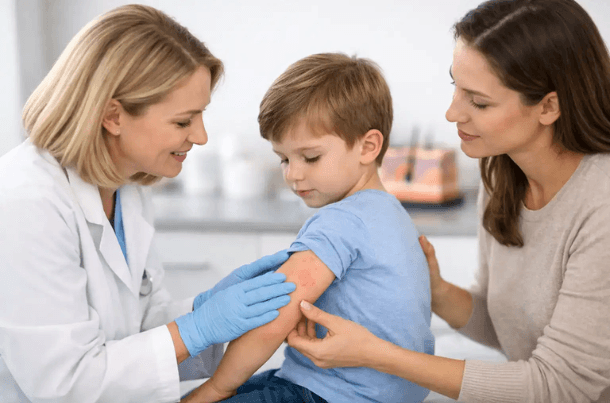
Contact a pediatrician if a rash comes with fever, is spreading, is very painful, drains pus, affects a young infant, or does not improve as expected. Ask for an assessment before using leftover antibiotics or a steroid cream on a rash whose cause is uncertain.
How can families reduce the spread?
Wash hands regularly, keep nails short, clean and cover cuts, and avoid sharing towels, clothing, or hairbrushes when a contagious rash is suspected.Use prescribed treatments exactly as directed and complete any course your clinician tells you to complete.
The right time to return to school varies by condition, treatment, symptoms, and local policy; ask the clinician or childcare provider for the rule that applies to your child.
Frequently asked questions
How can I tell whether a rash is bacterial or fungal?
Is ringworm contagious even if my child feels fine?
Does every case of molluscum need treatment?
Can eczema turn into a skin infection?
When should I worry about a skin infection spreading?
Final thoughts
The useful first step is to notice the whole picture: what the skin looks like, where it started, whether it itches or hurts, and how your child feels. Some bumps disappear with time, while conditions such as impetigo, cellulitis, scalp ringworm, and scabies may need specific treatment.
For more practical guidance on children’s health, skin concerns, development, and everyday parenting questions, explore more helpful resources at Tot Advice.
Trusted Resources
- CDC: About Impetigo
- CDC: Hand, Foot, and Mouth Disease Symptoms
- American Academy of Pediatrics: Staphylococcal Infections
Disclaimer
This article is for general educational and parenting information only and does not replace medical diagnosis or treatment from a qualified healthcare professional. Contact your child’s pediatrician if a rash is spreading, painful, draining pus, associated with fever, affecting a young infant, or not improving as expected. Seek emergency medical care if your child has severe difficulty breathing, is unusually unresponsive or very difficult to wake, or develops a rapidly spreading purple or bruise-like rash while appearing seriously ill.
About the Author
Geeta Yogi writes practical and supportive parenting content about children’s health, skin concerns, development, and everyday family challenges. She focuses on clear, parent-friendly guidance that helps families understand common symptoms and recognize when professional medical advice may be needed.