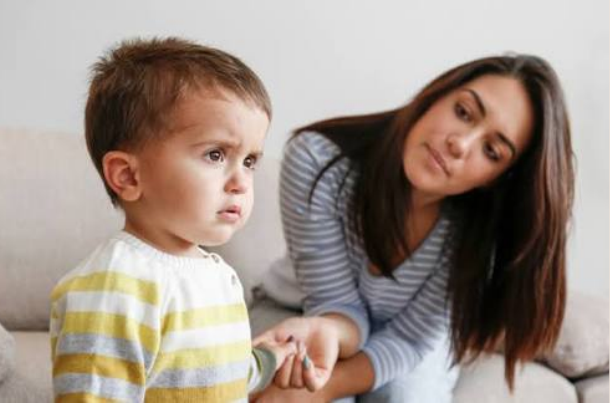
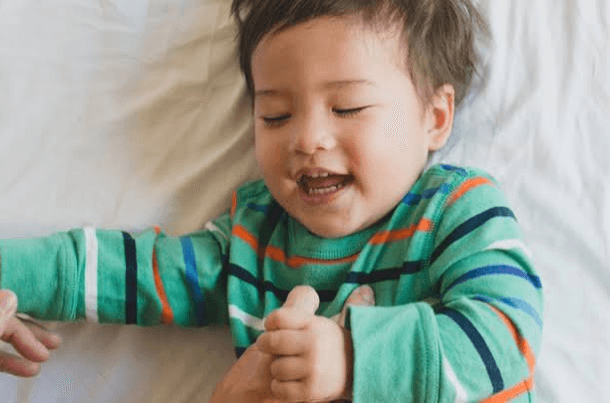
Sleep talking in children can sound like mumbling, laughing, calling out, or speaking in complete sentences while still asleep. Although hearing it may feel unsettling, occasional episodes are often harmless and do not require treatment on their own.
Hearing your child talking in their sleep can be unsettling, especially the first time it happens. You may wonder whether they are having a bad dream, feeling stressed, or showing a sign of a serious sleep problem. Occasional sleep talking can happen in otherwise healthy children and often does not require treatment on its own.
The useful questions are what else happens during the night and how your child feels during the day. A few sleepy words are very different from repeated episodes involving breathing problems, injury, or poor sleep. This guide explains why children may talk in their sleep, how to respond, and when to speak with a doctor.
What Is Sleep Talking?
Sleep talking, also called somniloquy, means making sounds or speaking while asleep. A child might whisper, mumble, laugh, call out a word, or say what sounds like a whole sentence. Sometimes the words are clear. Often, they make little sense to anyone listening.
An episode may last only a few seconds. Your child might continue sleeping without noticing it happened and have no memory of it in the morning. Sleep talking is one of several behaviors known as parasomnias, which are things people may do during sleep or as they move between sleep and waking.
It can be tempting to listen closely and try to work out what your child is dreaming about. Sleep talk, however, is not a reliable account of their thoughts, experiences, or worries. A sentence spoken in sleep may simply be a fragment that has no clear meaning.
Is It Normal for Children to Talk in Their Sleep?
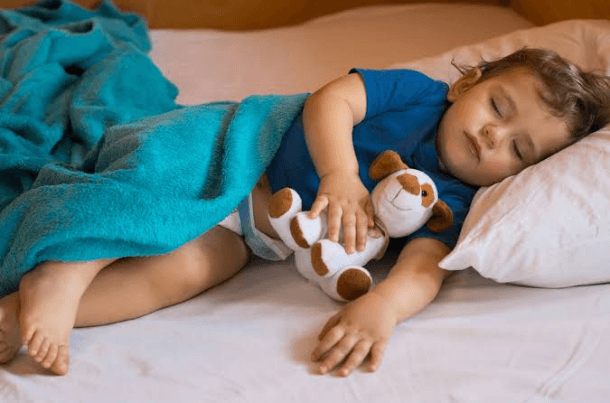
Yes, sleep talking in children can occur occasionally and is usually not a sign that anything is wrong. Some children may also laugh, mumble, or briefly call out while remaining asleep.
You may notice it once in a while or during a particular period of your child’s life. It can be more noticeable when their sleep routine has changed or they are not feeling well. One child may sleep talk regularly for a while and then stop; another may never do it.
There is no need to label every sound as a disorder. What matters is whether your child is sleeping well overall, breathing comfortably, staying safe at night, and managing their usual activities during the day.
5 Possible Causes of Sleep Talking in Children
Parents often want to find one cause: a busy school day, an upsetting event, or something their child ate before bed. Usually, it is not possible to point to a single explanation for an individual episode. Several things may be worth considering if sleep talking becomes more frequent.
Not Getting Enough Sleep
A child who goes to bed too late or has an irregular sleep schedule may be more likely to have disrupted sleep. If you are hearing more nighttime talking than usual, start by looking at the bigger picture: What time does your child fall asleep? Do they wake often? Are they tired in the morning?
Sleep needs vary by age. According to the CDC, children ages 3–5 generally need 10–13 hours of sleep in 24 hours, including naps; children ages 6–12 need 9–12 hours; and teenagers ages 13–17 need 8–10 hours.
The aim is not to chase an exact number every night. It is to make enough time for sleep and notice whether your child seems rested.
Changes in Routine or Exciting Days
A family trip, a return to school, a late celebration, or a new bedtime schedule can affect how smoothly a child settles at night. Parents sometimes notice sleep talking around these changes.
That does not mean excitement automatically causes it, or that a child who talks in their sleep must be anxious. Consider what has changed, then see whether the pattern settles as the family returns to its usual routine.
Stress or Worries
Children do not always tell parents directly when something is bothering them. If sleep talking appears alongside difficulty falling asleep, frequent waking, clinginess, or daytime changes, it is reasonable to make time for a gentle conversation.
Choose a relaxed moment during the day. You might ask, “How have things been at school lately?” or “Is anything making bedtime feel hard?” Let your child answer in their own way. Do not assume that a strange sentence spoken in sleep reveals a hidden problem.
Illness or Physical Discomfort
If your child is unwell, their sleep may be less settled. Fever, a stuffy nose, pain, or another discomfort might coincide with more nighttime sounds or waking. In that situation, pay attention to the illness and your child’s overall condition rather than focusing only on the sleep talking.
If your child seems unusually ill, has concerning symptoms, or is having trouble breathing, seek medical advice based on those symptoms.
Other Sleep Behaviors
Sleep talking can occur alongside other nighttime behaviors, including sleepwalking or night terrors. These events can look quite different from a child quietly mumbling in bed, so it helps to notice what actually happens.
Keep in mind that a child can talk in their sleep without having any other sleep condition. One symptom does not establish a diagnosis.
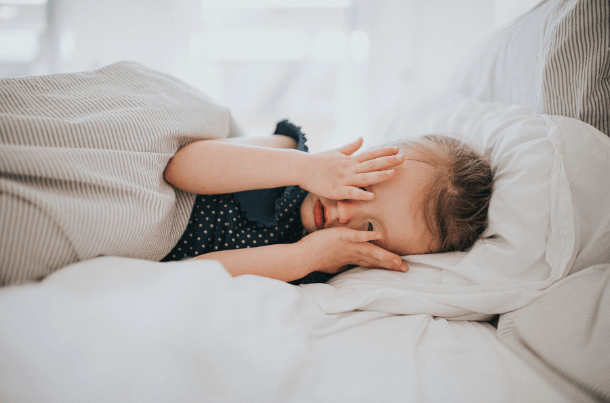
Does Sleep Talking Mean My Child Is Having a Nightmare?
Not necessarily. Children can speak or make sounds during sleep without having a nightmare. The words they say may sound worried, angry, or silly, but the sound alone does not tell you what they are experiencing.
A child who wakes from a nightmare may be alert enough to seek comfort and might remember a frightening dream. During a night terror, a child may appear very upset but not be fully awake or responsive; they often do not remember the episode later. Sleep talking can be much quieter and shorter than either of these.
If you are unsure what you are seeing, notice whether your child wakes, recognizes you, moves around, or remembers anything the next day. Those details can help when you describe the episode to their pediatrician.
Should You Wake a Child Who Is Talking in Their Sleep?
If your child is lying safely in bed, breathing normally, and simply mumbling, you usually do not need to wake them. Check that they are comfortable and let them continue sleeping.
In most cases, sleep talking in children does not require waking them when they are lying safely, breathing normally, and showing no signs of distress.
Trying to hold a conversation rarely gives useful answers. Your child may say something that sounds convincing without being awake enough to know what they are saying. Questions may also disturb their sleep.
If they seem to be moving toward an unsafe place, your priority is safety. Gently guide them away from danger. If an episode involves intense distress, unusual movements, or breathing concerns, seek medical guidance about how to respond to future episodes.
What Can Parents Do About Sleep Talking?
Occasional sleep talking in children may need no specific treatment. If it becomes frequent, support healthy sleep habits and watch for breathing problems, unsafe movement, or daytime tiredness.
Keep a Consistent Sleep Schedule
Try to keep bedtime and wake time reasonably steady, including on weekends. A predictable schedule makes it easier for children to get enough sleep.
If your child regularly seems exhausted at bedtime or struggles to get up, they may need an earlier bedtime. Move it gradually if a sudden change is difficult for your family.
Create a Calm Bedtime Routine
A short routine can help your child wind down: washing up, putting on pajamas, reading together, and saying good night. If reading is a favorite part of your evening, these bedtime stories for kids offer simple ideas for a calm story. The routine does not have to look perfect or be the same length every evening.
If your child wants to talk, give them a little space to do that before lights out. Bedtime can be when worries come up, but a long discussion after they should be asleep may leave them more alert. You can listen briefly and promise to return to a bigger concern the next day.
Make the Bedroom Comfortable
Check whether light, noise, or temperature is disturbing your child’s sleep. A comfortable sleep space and a routine that fits their age may help them rest more consistently.
A favorite soft toy can be comforting for an older child. If you are also caring for an infant, follow infant safe sleep guidance for the baby’s sleep space; rules for an older child’s bed should not be applied to a crib.
Be Careful With Caffeine
Tea, coffee, energy drinks, and some soft drinks contain caffeine and can interfere with sleep. If an older child or teenager has them, consider whether they are affecting bedtime.
There is no evidence that a glass of warm milk is a necessary treatment for sleep talking. If it is part of a routine your child enjoys, that is fine, but a consistent chance to get enough sleep matters more than any one bedtime drink.
Encourage Activity During the Day
Time to play and move during the day is part of a healthy routine. You do not need to tire your child out deliberately or push intense exercise to “cure” sleep talking. Aim for ordinary activity appropriate for their age and leave time to settle before bed.
Keep Notes If the Pattern Continues
If you are concerned, note when the episodes happen, how long they last, and what else you observe. Are there loud snores? Does your child sit up or leave the bed? Do they seem very tired during the day?
A short record is more useful to a doctor than trying to remember every detail after several interrupted nights. If it is safe and appropriate, a brief private recording of an unusual episode may help you show your child’s healthcare professional what happened. Avoid sharing the recording publicly.
When Is Sleep Talking a Reason to See a Doctor?
Talk to your child’s pediatrician if sleep talking is frequent and disruptive, or if it occurs with other concerning signs. In particular, seek advice if you notice:
- If your child is having significant difficulty breathing, seek urgent medical care.
- Sleepwalking or other nighttime behavior that could lead to injury
- Repeated, intense episodes of apparent fear or distress
- Unusual repeated movements that worry you
- Trouble sleeping or marked tiredness during the day
- A sudden, lasting change in sleep alongside changes in your child’s mood or behavior
Frequent loud snoring, breathing pauses, or difficulty breathing during sleep deserve medical attention because these symptoms can occur with pediatric sleep apnea and other breathing problems.
If your child is having significant difficulty breathing, seek urgent medical care. For less urgent concerns, describe what you have observed to their pediatrician. They can decide whether your child needs a closer look at their sleep.
How to Talk to Your Child About It
A child who has no memory of talking in their sleep may feel embarrassed if the family jokes about it at breakfast. Keep the conversation matter-of-fact: “I heard you talking a little while you were asleep. How are you feeling this morning?”
If they seem well and rested, you may not need to say anything else. If you have noticed other signs of worry, ask about their day rather than pressing them to explain words they spoke while asleep.
Avoid treating sleep talk as a confession or proof that something happened. Children need to know they can tell you about real concerns when they are awake, without feeling that their sleep is being monitored for clues.
FAQs About Sleep Talking in Children
Why does my child talk or mumble in their sleep?
Is sleep talking in a 3-year-old normal?
Does sleep talking mean my child is stressed?
Does my child remember what they say while asleep?
Can a child talk in their sleep with their eyes open?
Should I answer my child when they talk in their sleep?
Will my child grow out of sleep talking?
Is there a medicine to stop sleep talking?
Final Thoughts
Hearing your child speak while sound asleep can be surprising, but Hearing your child speak while sound asleep can be surprising, but occasional sleep talking in children is often harmless.
A few words or a brief mumble are usually less important than the overall picture: Is your child sleeping comfortably, breathing normally, and feeling well during the day?
Give them enough time for sleep, keep bedtime reasonably predictable, and respond calmly when an episode happens. If you notice loud snoring, breathing pauses, unsafe movement, repeated distress, or daytime exhaustion, speak with their pediatrician. You do not have to guess whether those symptoms are connected.
For more practical advice on children’s sleep, behavior, development, and everyday parenting challenges, explore more helpful guidance at Tot Advice
Authoritative Sources
- American Academy of Pediatrics: Nightmares, Night Terrors & Sleepwalking in Children
- MedlinePlus: Sleep Disorders
- CDC: About Sleep
- American Academy of Pediatrics: Healthy Sleep Habits
- American Academy of Pediatrics: Sleep Apnea in Children
Disclaimer
This article is for general educational and parenting information only and does not replace medical advice from your child’s pediatrician or another qualified healthcare professional. Occasional sleep talking may be harmless, but seek medical advice if it is frequent or occurs with loud snoring, breathing pauses, unsafe nighttime movement, repeated distress, unusual movements, or significant daytime tiredness. Seek urgent medical care if your child is having significant difficulty breathing.
About the Author
Geeta Yogi writes practical and reassuring parenting content about children’s sleep, development, behavior, health, and everyday family challenges. She focuses on clear, easy-to-understand guidance that helps parents know what may be normal and when professional advice can be helpful.