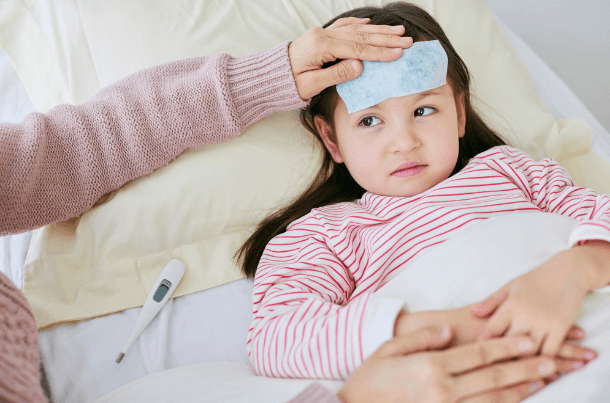
How to Bring a Child’s Fever Down is one of the first questions parents ask when their little one feels warm, tired, or uncomfortable. Seeing your child with a fever can be stressful, but understanding safe fever care can help you respond calmly and confidently.
A fever itself is not always dangerous. In many cases, it is a sign that your child’s immune system is working hard. The goal is not only to lower the temperature but also to help your child feel comfortable, stay hydrated, and recover.
Here are gentle and safe ways to help bring down your child’s fever and know when to seek medical advice.
Quick Answer
A child’s fever can often be managed at home by keeping them comfortable, offering fluids, allowing rest, and monitoring symptoms. Fever medicine may help when a child feels uncomfortable, but the goal is comfort rather than always lowering the temperature to normal. Seek medical advice for young infants, breathing problems, dehydration, seizures, or other concerning symptoms.
Knowing how to bring a child’s fever down safely starts with keeping your child comfortable, offering fluids, and watching for any concerning symptoms.
Check Your Child’s Temperature Correctly
Before trying to lower a fever, it is important to know your child’s actual temperature.
Use a reliable digital thermometer and check the temperature based on your child’s age and the thermometer type. A fever is generally considered a temperature of:
- 100.4°F (38°C) or higher when measured accurately
Remember that how your child behaves often matters as much as the number on the thermometer. A child who is drinking fluids, responding normally, and resting comfortably may not need aggressive fever treatment.
| Age | When to seek advice |
|---|---|
| Under 3 months | 100.4°F (38°C) or higher |
| Older babies and children | Depends on symptoms, duration, and overall condition |
Encourage Plenty of Fluids
When children have a fever, they may feel tired, uncomfortable, or fussy. Comfort is one of the most important things parents can provide.
Try these simple steps:
- Dress your child in lightweight, comfortable clothing
- Avoid wrapping them in heavy blankets
- Keep the room comfortably cool
- Allow your child to rest
Do not try to make your child sweat out a fever by bundling them up. Too many layers can trap heat and make them more uncomfortable.
Encourage Plenty of Fluids
Fever can cause children to lose more fluids than usual, especially if they are sweating.
Offer frequent small amounts of:
- Water (for children who are old enough)
- Breast milk or formula for babies
- Oral rehydration fluids if recommended
- Clear soups or fluids appropriate for your child’s age
Do not worry if your child does not want a full meal while sick. Staying hydrated is usually more important during a fever.
Use Fever-Reducing Medicine When Needed
If your child is uncomfortable, a fever-reducing medicine may help them feel better.
Common fever medicines used for children include:
- Acetaminophen (paracetamol)
- Ibuprofen (for children older than 6 months)
Never alternate fever medicines unless your child’s healthcare provider recommends it, as this can increase the risk of dosing mistakes.
Always follow the correct dosage based on your child’s age and weight. Never give more than the recommended amount.
Avoid giving aspirin to children unless specifically advised by a healthcare professional.
If you are unsure about which medicine or dose is appropriate, contact your child’s doctor.
Try a Lukewarm Bath
A lukewarm bath can sometimes help your child feel more comfortable.
Use warm (not cold) water and keep the bath relaxing. Cold water, ice baths, or rubbing alcohol on the skin are not recommended because they can cause discomfort and may make your child shiver, which can increase body temperature.
Let Your Child Rest
A fever can make children feel sleepy and tired. Rest helps the body recover.
Allow your child to sleep more than usual if needed, but check on them regularly. Comfort them with cuddles, quiet activities, and reassurance.
Sometimes the best medicine for a sick child is simply feeling safe and loved.
What Causes Fever in Children?
Fever is usually caused by the body responding to an infection.
Common causes include:
- Common colds
- Flu
- Ear infections
- Throat infections
- Stomach viruses
- Other childhood infections
Teething may cause mild discomfort, but it usually does not cause a high fever.
When Should You Call a Doctor?
While many fevers are mild and improve on their own, some situations need medical attention.
Contact a healthcare provider if:
- Your baby is under 3 months old and has a fever of 100.4°F (38°C) or higher
- Young babies need special attention because even a small fever can sometimes require prompt medical evaluation.
- Your child has a fever that lasts several days
- Your child seems unusually sleepy, weak, or difficult to wake
- Breathing changes can sometimes be difficult for parents to recognize. Learning about common baby breathing patterns can help you understand what may be normal and when to seek help.
- Your child refuses fluids or shows signs of dehydration
- Your child has a seizure
- Your child has a stiff neck, severe headache, or unusual rash
Trust your instincts as a parent. If something feels wrong, it is always okay to ask for medical advice.
Signs That Matter More Than the Fever Number
Add:
- Child is difficult to wake
- Breathing looks difficult
- Signs of dehydration
- Child is not responding normally
- Severe pain or unusual behavior
Ye article ke existing points ko better organize karega.
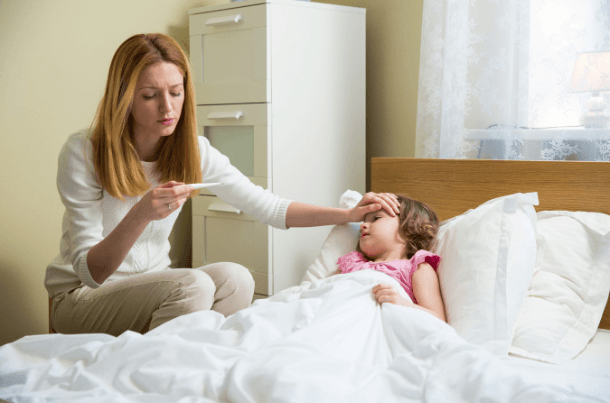
Common Fever Mistakes Parents Should Avoid
When a child has a fever, it is natural to worry. However, some common mistakes can make your child more uncomfortable or create unnecessary risks.
Common Fever Mistakes Parents Should Avoid
Parents sometimes worry when a fever does not disappear immediately. However, medicine is meant to improve comfort, not always bring the temperature completely back to normal.
Giving extra doses can be harmful.
Do Not Use Cold Water or Ice
Cold baths and ice packs can make children shiver, which may make them feel worse.
Gentle cooling methods are safer.
Do Not Use Cold Water or Ice
A child may eat less during illness. This is usually okay for a short period.
Focus on fluids and offer simple foods when your child feels ready.

How to Comfort Your Child During a Fever
A sick child often needs emotional comfort as much as physical care.
You can help by:
- Reading their favorite book
- Holding them close
- Singing softly
- Offering their favorite comfort toy
- Keeping the environment calm
Even when children cannot explain how they feel, your presence helps them feel secure.
Frequently Asked Questions (FAQs)
How can I bring my child’s fever down naturally?
What temperature is considered a fever in a child?
A child who is drinking fluids, playing occasionally, and responding normally may not need the same care as a child who seems very unwell.
Should I wake my child up to give fever medicine?
Can a bath help reduce my child’s fever?
What should my child eat and drink during a fever?
For babies, continue breastfeeding or formula feeding as usual unless your healthcare provider advises otherwise.
How long does a fever usually last in children?
When should I worry about my child’s fever?
Seek medical advice if:
- Your baby is under 3 months old and has a temperature of 100.4°F (38°C) or higher
- Your child has trouble breathing
- Your child appears very sleepy, weak, or difficult to wake
- They are not drinking fluids or show signs of dehydration
- They have a seizure
- The fever lasts longer than expected or you feel something is not right
Is it okay to let a child sleep with a fever?
Should I use a cold cloth to lower my child’s fever?
Can teething cause a fever?
Final Thoughts
Knowing how to bring a child’s fever down can help parents feel more confident when their child is sick.
but remember that fever is often part of the body’s natural defense system. The goal is not always to eliminate the fever completely, but to keep your child comfortable and watch for signs that they may need medical care.
it is to keep your child comfortable, hydrated, and supported.
Offer fluids, provide rest, monitor symptoms, and use fever medicine safely when needed. Most importantly, trust your parenting instincts and seek medical help when something does not feel right.
For more practical parenting guides, child health tips, and helpful resources for everyday family moments, explore Tot Advice and find trusted information to support your parenting journey.
Trusted Resources
Disclaimer
This article is for general educational and informational purposes only and is not a substitute for professional medical advice, diagnosis, or treatment. Always contact your child’s pediatrician or another qualified healthcare professional if you have concerns about a fever, medication dosage, dehydration, breathing difficulties, seizures, or other concerning symptoms.
About the Author
Geeta Yogi writes practical and parent-friendly content about child health, everyday illnesses, baby care, and family wellbeing. She focuses on helping parents understand common childhood concerns in a simple and supportive way while encouraging appropriate medical care whenever a child’s symptoms need professional attention.