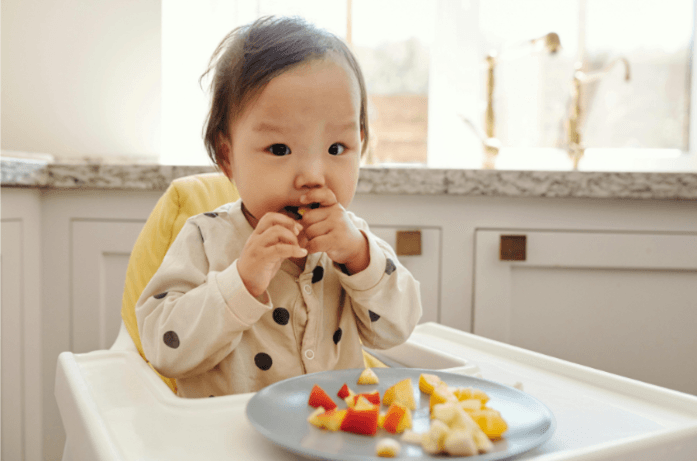
Watching your toddler eat only two bites of dinner and then run off to play can quietly break a mother’s heart. You try different recipes, cut fruit into cute shapes, offer snacks every hour, and still wonder, “Why isn’t my little one gaining weight?”
If you’ve been searching for the best food for toddlers to gain weight, I want you to know something first, you are not alone in this worry. So many parents go through this stage, especially with active or picky toddlers. And honestly, sometimes it can feel exhausting.
The good news is that healthy weight gain doesn’t have to come from unhealthy junk food or forcing your child to eat more. Often, small changes, nourishing meals, and a little patience can make a beautiful difference over time.
Best Food for Toddlers to Gain Weight
Simple and comforting weight gain foods for picky toddlers often work better than complicated meals or overly processed snacks.
When toddlers need help gaining weight, the goal is not simply adding calories. Their growing bodies need nutrition that supports energy, brain development, strong bones, and healthy growth at the same time.
One thing many moms notice is that toddlers usually eat better when food feels comforting and familiar. Rich, homemade meals often work better than complicated “perfect” recipes.
Full-fat dairy foods are one of the easiest ways to support healthy weight gain naturally. A bowl of creamy yogurt with mashed banana, cheese melted into warm eggs, or a simple smoothie made with whole milk can quietly add extra nourishment throughout the day. These foods are filling without making little stomachs uncomfortable.
Avocados are another wonderful choice. They’re soft, gentle for toddlers to eat, and packed with healthy fats that growing children truly need. Many moms blend avocado into smoothies or spread it onto toast with a little butter. The texture is creamy, mild, and toddler-friendly.
Eggs are also one of the best foods for growing toddlers. They contain protein, healthy fats, and important nutrients that help support growth. Some children love scrambled eggs with cheese, while others prefer tiny egg sandwiches or fluffy omelets cut into strips.
And honestly, sometimes the simplest foods work best. A banana with peanut butter can become one of the easiest and most comforting snacks for weight gain.
Some of the best foods for toddlers to gain weight include avocado, eggs, full-fat yogurt, cheese, nut butters, whole milk, oats, sweet potatoes, salmon, and homemade smoothies. The goal is to choose nutrient-dense foods that add healthy fats, protein, and energy without pressuring your toddler to eat larger portions.
Quick List: Best Foods for Healthy Toddler Weight Gain
- Avocado
- Eggs
- Full-fat yogurt
- Cheese
- Nut butters
- Whole milk
- Oatmeal
- Bananas
- Sweet potatoes
- Olive oil
- Salmon
- Beans and lentils
- Chicken
- Homemade smoothies
- Whole-grain toast with nut butter
Why Some Toddlers Struggle to Gain Weight
Some toddlers are naturally tiny. Some are incredibly active and burn energy faster than they eat it. Others go through phases where they suddenly become picky eaters for what feels like forever.
If your toddler has stopped gaining weight, is losing weight, or has a significant drop on their growth chart, speak with your pediatrician.
As moms, we often blame ourselves first.
But toddler appetites change constantly. One week they eat everything in sight, and the next week they survive on crackers and air. It’s surprisingly normal.
What matters most is looking at the bigger picture:
- Is your child active?
- Are they playful?
- Are they meeting milestones?
- Is their doctor concerned about growth?
Sometimes toddlers simply need more nutrient-dense foods and more frequent opportunities to eat.
And sometimes, they just need time.
Healthy Weight Gain Foods for Toddlers
The best approach is choosing foods that naturally contain healthy fats, protein, and enough calories for growing bodies.
Nut butters are especially helpful for toddlers who don’t eat large portions. Peanut butter spread on toast, almond butter stirred into oatmeal, or cashew butter blended into smoothies can quietly increase calories without making meals feel too heavy.
Many moms also find success with homemade smoothies. Smoothies can be incredibly comforting for toddlers who refuse full meals. You can blend together yogurt, banana, oats, peanut butter, and milk into something creamy and nourishing that feels more like a treat than “healthy food.”
Sweet potatoes are another favorite because they’re naturally soft and slightly sweet. Served with butter or olive oil, they become one of those comforting foods toddlers usually accept more easily.
Cheese is also helpful in small everyday ways. Adding extra cheese into pasta, eggs, sandwiches, or rice dishes can gently increase calories without making food seem different or overwhelming.
The little additions matter more than most parents realize.
Healthy High-Calorie Foods for Toddlers to Gain Weight
When choosing high-calorie foods for toddlers, the goal is to add extra nourishment without relying on sugary or heavily processed foods. Nutrient-dense options that provide healthy fats, protein, and energy can help support your toddler’s growth while keeping meals simple and familiar.
Some healthy high-calorie foods for toddlers include:
- Avocado – soft, creamy, and rich in healthy fats
- Nut butters – easy to spread on toast or mix into oatmeal and smoothies
- Full-fat yogurt – a simple snack that provides protein and healthy fats
- Cheese – easy to add to eggs, pasta, rice, or sandwiches
- Eggs – a nutritious source of protein and healthy fats
- Whole milk – can be used in oatmeal, smoothies, or other meals when appropriate for your child
- Olive oil or butter – small amounts can be mixed into pasta, rice, vegetables, or mashed potatoes
- Homemade smoothies – combine foods such as yogurt, banana, oats, milk, and nut butter for a filling snack
You do not always need to serve bigger portions to increase your toddler’s calorie intake. Small additions to foods they already enjoy can make meals more nourishing. For example, you can stir nut butter into oatmeal, add cheese to scrambled eggs, mix olive oil into pasta, or blend full-fat yogurt into a smoothie.
Toddler Weight Gain Meal Ideas
You do not need complicated recipes to help your toddler eat more nourishing foods. Simple meals made with familiar ingredients can provide healthy fats, protein, and extra energy while still being easy for little ones to enjoy.
Here is a simple example of what a day of toddler-friendly meals might look like:
- Breakfast: Oatmeal made with whole milk, banana, and a little peanut butter
- Morning snack: Full-fat yogurt with soft fruit
- Lunch: Egg and avocado toast with a side of fruit
- Afternoon snack: Banana with a thin spread of nut butter or cheese with soft crackers
- Dinner: Soft rice with chicken, vegetables, and a small drizzle of olive oil
You can easily adjust these ideas based on the foods your toddler already enjoys. For example, add cheese to scrambled eggs, stir nut butter into oatmeal, blend yogurt into a smoothie, or mix a little olive oil into rice, pasta, or mashed vegetables.
If evenings are usually the hardest meal to plan, these toddler dinner ideas can give you more simple and balanced options for busy days.
The goal is not to create perfect meals or pressure your toddler to finish everything on the plate. Offering a variety of nutrient-dense foods throughout the day can make it easier to support healthy growth, even when your toddler eats only small portions at a time.
Nutritious Foods for Toddler Weight Gain
The best foods for toddler weight gain are the ones that nourish the whole child, not just the number on the scale.
Oatmeal is one of those comforting foods that can become incredibly nutritious with simple additions. Mixing in banana, peanut butter, whole milk, or chia seeds can turn a plain breakfast into something filling and rich in nutrients.
Salmon is another excellent food because it contains healthy fats and protein together. Even small amounts can support growth and brain development. Some toddlers enjoy salmon mixed into rice or soft patties.
Beans, lentils, and soft cooked chicken also provide gentle sources of protein for toddlers who may not enjoy heavier meats yet.
And honestly, warm homemade meals often help more than trendy “kid foods.” Toddlers usually respond well to meals that feel comforting, simple, and familiar.
Toddler Weight Gain Meal Ideas
Most moms don’t need complicated meal plans. We just need realistic ideas that work during busy days.
Breakfast can be as simple as oatmeal with peanut butter and banana or buttery toast with scrambled eggs.
Lunch might look like creamy mac and cheese with peas, avocado toast with egg, or soft rice mixed with chicken and olive oil.
For dinner, pasta with creamy sauce, mashed sweet potatoes with salmon, or cheesy rice bowls often work beautifully.
On days when you’re unsure what to serve in the evening, these toddler dinner ideas can give you a few simple, balanced options to add to your weekly routine.
Healthy toddler snacks for weight gain, like yogurt smoothies, cheese toast, and banana with peanut butter, can help add extra nourishment throughout the day. Sometimes snack time is where the extra calories happen most naturally. Yogurt smoothies, cheese toast, banana slices with nut butter, or homemade muffins can all help support healthy growth throughout the day.
The goal is not creating perfect Pinterest meals.
The goal is feeding your child with consistency, warmth, and nourishment.
Protein Rich Foods for Toddlers
Protein helps support muscle growth, energy, and healthy development, especially for toddlers who are growing quickly.
Eggs, yogurt, cheese, chicken, beans, lentils, tofu, and nut butters are all wonderful protein rich foods for toddlers.
But here’s something many parents need to hear: protein does not need to come from one perfect meal.
Toddlers often eat in small amounts throughout the day. Even if lunch was barely touched, they may still get enough nutrition overall through breakfast, snacks, dinner, and milk.
Sometimes we focus so much on one difficult meal that we forget to look at the full day.
Healthy Toddler Diet for Growth
A healthy toddler diet is not about forcing vegetables or counting every calorie.
It’s about balance.
Warm meals.
Consistent nourishment.
Patience.
And creating a peaceful relationship with food.
Children grow best when mealtimes feel relaxed and loving.
Some days your toddler may surprise you and eat everything on the plate. Other days they may barely nibble at dinner and ask for a snack an hour later.
That doesn’t make you a bad mom.
That makes you a toddler mom.
Growth takes time, and healthy habits are built slowly.
When Should You Talk to a Pediatrician About Your Toddler’s Weight?
Every toddler grows at a different pace, and being smaller than other children does not always mean there is a problem. What matters more is your child’s overall growth pattern, energy, development, and what their healthcare provider sees on their growth chart.
It is a good idea to speak with your pediatrician if:
- Your toddler is losing weight
- Their growth has slowed significantly
- They are dropping percentiles on their growth chart
- They frequently refuse food or have trouble chewing or swallowing
- They have persistent vomiting or diarrhea
- They seem unusually tired or have low energy
- You have ongoing concerns about their eating or growth
- Your pediatrician has already expressed concern about their weight
A pediatrician can look at your toddler’s growth pattern and help determine whether changes to their diet are needed or whether another issue may be affecting their appetite or growth.
A Gentle Reminder for Parents
If you’ve been worrying constantly about your toddler’s weight, I hope you pause for a moment and give yourself some grace.
You are trying.
You care deeply.
And that already says so much about the kind of parent you are.
Helping toddlers gain weight naturally is rarely about one magic food. It usually comes from many small loving choices repeated over time, one smoothie, one snack, one calm mealtime at a time.
And sometimes, the most important thing a child needs during meals is not pressure to eat more.
It’s simply a parent sitting beside them with patience, warmth, and love.
Frequently Asked Questions
1. What are the best foods for toddlers to gain weight? +
2. How can I help my picky toddler gain weight? +
3. Are smoothies good for toddler weight gain? +
4. What healthy snacks help toddlers gain weight? +
5. When should I worry about my toddler’s weight? +
How can I help my toddler gain weight quickly but safely? +
What can I add to my toddler’s food for extra calories? +
Conclusion
Finding the best food for toddlers to gain weight does not have to mean forcing bigger meals or relying on unhealthy snacks. Nutrient-dense foods such as avocado, eggs, full-fat yogurt, nut butters, cheese, smoothies, and balanced homemade meals can help support healthy growth over time.
Focus on offering regular meals and snacks, keeping mealtimes relaxed, and paying attention to your toddler’s overall growth pattern. If you are concerned about weight loss, slow growth, or feeding difficulties, speak with your pediatrician for personalized guidance.
If you found this guide helpful, explore more practical toddler nutrition, parenting tips, and child development articles at TotAdvice. We’re here to support parents with simple, evidence-based guidance for every stage of your child’s growth.
Resource
CDC Child nutrition and healthy growth
Mayoclinic Healthy eating for toddlers
Disclaimer
This article is for general educational and informational purposes only and is not a substitute for professional medical or nutritional advice. Every toddler grows at a different pace. If your child is losing weight, has slowed growth, feeding difficulties, persistent vomiting or diarrhea, low energy, or other concerns about growth or nutrition, speak with your pediatrician or another qualified healthcare professional.
About the Author
Geeta Yogi writes practical, parent-friendly content about toddler nutrition, healthy growth, feeding challenges, and everyday family wellbeing. She focuses on sharing simple meal and snack ideas that help parents support growing children while encouraging relaxed mealtimes and appropriate guidance from healthcare professionals when growth concerns arise.