The weeks after childbirth are a time of healing, adjustment, and learning as you care for your newborn while recovering from pregnancy and delivery. During this period, the foods you eat can play an important role in supporting recovery, maintaining energy levels, and helping your body meet the demands of early parenthood.
Many new mothers focus entirely on their baby’s needs while unintentionally overlooking their own nutrition. However, a healthy post-pregnancy diet can help replenish nutrient stores, support healing, and provide the nourishment needed for breastfeeding and overall wellbeing.
Whether you’ve had a vaginal birth or a C-section, your body needs proper nutrition to recover and regain strength. In this guide, we’ll explore the best foods to eat after pregnancy, key nutrients that support recovery, foods to limit, and simple meal ideas for busy new parents.
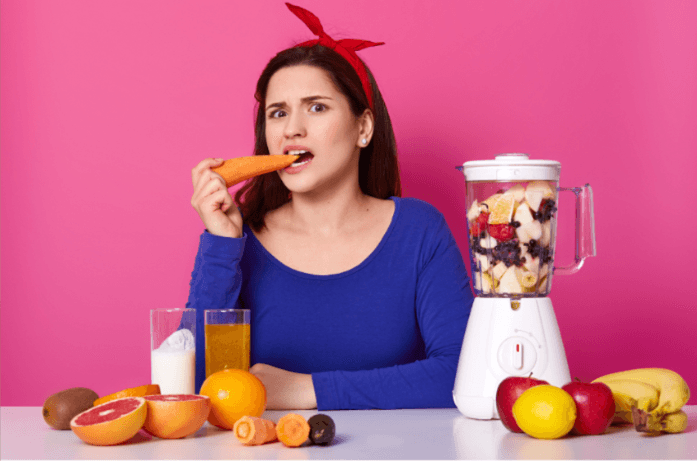
Choosing the right foods to eat after pregnancy can support healing, restore energy, and help your body adjust to the demands of early motherhood.
Why Nutrition Matters After Pregnancy
Pregnancy and childbirth place extraordinary demands on the body. During the postpartum period, your body is recovering from labor, repairing tissues, replenishing nutrient stores, and adapting to significant hormonal changes.
The best foods to eat after pregnancy provide a balanced combination of protein, iron, healthy fats, fiber, vitamins, and minerals.
A well-balanced postpartum diet can help:
• Promote recovery after childbirth
• Support wound healing and tissue repair
• Increase energy levels
• Reduce postpartum fatigue
• Support healthy milk production
• Strengthen the immune system
• Improve mood and emotional wellbeing
• Help prevent nutrient deficiencies
• Support healthy weight management
The weeks and months after delivery are an important time to nourish your body. Making balanced food choices can support healing, improve energy levels, and help you feel your best as you adjust to life with a new baby.
Pregnancy and postpartum recovery both place significant demands on the body. If you’re still expecting or preparing for birth, our guide on the benefits of staying active during pregnancy can help you understand how gentle movement may support comfort, energy, and recovery before delivery.
Key Nutrients Your Body Needs After Delivery
Protein for Tissue Repair and Recovery
Protein plays a key role in healing after childbirth. Your body uses protein to repair tissues affected during labor and delivery.
Good sources of protein include:
• Eggs
• Chicken
• Turkey
• Fish
• Lean beef
• Greek yogurt
• Cottage cheese
• Lentils
• Beans
• Tofu
• Chickpeas
Including a source of protein with meals and snacks can help support healing, muscle repair, and overall wellbeing during the postpartum period.
Iron to Rebuild Blood Stores
Blood loss during childbirth can leave some women with lower iron levels. Iron helps carry oxygen throughout the body and may help reduce feelings of fatigue and weakness associated with iron deficiency.
Iron-rich foods include:
• Lean red meat
• Liver (in moderation)
• Lentils
• Beans
• Spinach
• Pumpkin seeds
• Fortified cereals
For better absorption, pair iron-rich foods with sources of vitamin C, such as oranges, strawberries, tomatoes, or bell peppers.
Calcium for Bone Health
Calcium continues to play an important role after pregnancy, particularly for mothers who are breastfeeding. Getting enough calcium helps support bone health and contributes to normal muscle and nerve function.
Excellent calcium sources include:
• Milk
• Yogurt
• Cheese
• Fortified plant milks
• Sardines
• Tofu
• Kale
• Broccoli
According to the National Institutes of Health, adequate calcium intake helps maintain bone health throughout adulthood.
Omega-3 Fatty Acids for Brain and Mood Health
Omega-3 fatty acids, particularly DHA, contribute to maternal brain health and may play a role in healthy infant development through breast milk.
Good sources include:
• Salmon
• Sardines
• Trout
• Mackerel
• Chia seeds
• Flaxseeds
• Walnuts
Experts from Harvard T.H. Chan School of Public Health emphasize the importance of including healthy fats as part of a balanced diet.
Fiber for Digestive Health
Constipation is common after childbirth, particularly following a C-section or while taking certain pain medications.
Fiber-rich foods can help promote regular bowel movements and support digestive health:
• Whole grains
• Oats
• Fruits
• Vegetables
• Beans
• Lentils
• Chia seeds
Increase fiber gradually and drink plenty of water throughout the day to help prevent digestive discomfort.
Vitamin D for Overall Health
Vitamin D plays an important role in bone health, immune function, and overall wellbeing. It also helps the body absorb and use calcium effectively.
Sources include:
• Fatty fish
• Egg yolks
• Fortified dairy products
• Safe sun exposure
Some women may require vitamin D supplementation after pregnancy based on their individual needs and their healthcare provider’s recommendations.
Best Foods to Eat After Pregnancy
Eggs
Eggs are nutrient-dense and easy to prepare. Scrambled eggs on whole-grain toast or hard-boiled eggs prepared in advance can make quick, protein-rich meals during busy newborn days.
Oatmeal
Oatmeal is a favorite among breastfeeding mothers because it’s warm, easy to digest, and quick to make on low-sleep mornings.
Greek Yogurt
Greek yogurt offers protein, calcium, and probiotics that may support digestive health.
Try adding:
- Fresh berries
- Nuts
- Seeds
- Honey (for adults)
Salmon
Salmon provides protein, omega-3 fatty acids, and vitamin D, making it one of the best foods for postpartum nutrition.
Leafy Green Vegetables
Spinach, kale, and other leafy greens contain:
- Iron
- Folate
- Calcium
- Fiber
- Vitamins A, C, and K
Adding greens to smoothies, soups, and omelets is an easy way to increase nutrient intake.
Lentils and Beans
Plant-based proteins such as lentils and beans provide:
- Protein
- Iron
- Fiber
- Folate
They are also budget-friendly and versatile.
Fruits
Fresh fruits supply vitamins, minerals, hydration, and antioxidants.
Excellent options include:
- Berries
- Oranges
- Apples
- Bananas
- Pears
- Mangoes
Nuts and Seeds
Almonds, walnuts, pumpkin seeds, and chia seeds provide healthy fats, protein, and important minerals.
They also make convenient snacks for sleep-deprived parents.
Whole Grains
Whole grains help provide steady energy throughout the day.
Healthy choices include:
- Brown rice
- Quinoa
- Whole wheat bread
- Oats
- Barley
Hydration: The Often Forgotten Part of Recovery
When caring for a newborn, it’s easy to focus on meals and forget about staying hydrated. However, fluids play an important role in postpartum recovery and overall wellbeing.
Water is essential for:
• Recovery after childbirth
• Breast milk production
• Healthy digestion
• Maintaining energy levels
• Overall health
Keeping a water bottle within reach can make it easier to drink regularly throughout the day, especially during breastfeeding sessions.
Many breastfeeding mothers find it helpful to keep a water bottle nearby during every feeding session as a simple reminder to stay hydrated.
In addition to water, you can stay hydrated with:
• Milk
• Herbal teas approved by your healthcare provider
• Soups and broths
• Water-rich fruits such as watermelon, oranges, and strawberries
Thankfully, nutritious foods to eat after pregnancy do not need to be complicated or time-consuming to prepare.
Easy Postpartum Meal Ideas
Finding time to prepare meals can be challenging when you’re caring for a newborn. These simple meal and snack ideas are nutritious, easy to prepare, and well-suited to the busy early weeks of parenthood.
Breakfast
• Oatmeal topped with berries and nuts
• Greek yogurt with fruit
• Whole grain toast with eggs
• Smoothie with spinach, banana, and yogurt
Lunch
• Chicken and vegetable soup
• Turkey sandwich on whole grain bread
• Lentil soup with a side salad
• Quinoa bowl with vegetables
Dinner
• Baked salmon with brown rice and broccoli
• Stir-fried vegetables with tofu
• Grilled chicken with sweet potatoes
• Bean chili with vegetables
Healthy Snacks
• Apple slices with peanut butter
• Mixed nuts
• Cottage cheese
• Hard-boiled eggs
• Hummus with vegetables
Foods to Limit During the Postpartum Period
Most foods can fit into a balanced diet, but some are best enjoyed in moderation during the postpartum period.
Highly Processed Foods
Frequently relying on highly processed foods may contribute to energy crashes and provide fewer vitamins, minerals, and other beneficial nutrients.
Added Sugars
Sugary snacks and beverages can provide a quick boost of energy, but they may also lead to fluctuations in blood sugar levels and leave you feeling tired later.
Caffeine
Moderate caffeine intake is generally considered acceptable for many breastfeeding mothers. However, consuming large amounts may affect sleep patterns for both parent and baby.
If you have concerns about caffeine consumption while breastfeeding, speak with your healthcare provider for personalized guidance.
Alcohol
If you are breastfeeding, discuss alcohol consumption with your healthcare provider so you can make informed decisions based on current recommendations.
Nutrition Tips for Breastfeeding Mothers
Following a nutritious breastfeeding diet can help many mothers meet their increased nutritional needs while supporting milk production.
Breastfeeding increases nutritional demands and calorie needs for many mothers.
Helpful tips include:
• Eat regular meals throughout the day
• Include protein at every meal
• Stay hydrated
• Focus on nutrient-dense foods
• Keep healthy snacks accessible
• Listen to hunger cues
Remember that every breastfeeding journey is unique. Some mothers experience increased appetite, while others may not.
Many of the recommended foods to eat after pregnancy can also help breastfeeding mothers meet their increased nutritional needs.
Parents interested in learning more about maternal nutrition during breastfeeding can explore guidance from the CDC.
Can a Healthy Diet Help With Postpartum Fatigue?
Sleep deprivation is one of the biggest contributors to postpartum fatigue, but nutrition can also play an important role in how you feel throughout the day.
Eating balanced meals that include:
• Protein
• Healthy fats
• Complex carbohydrates
• Vitamins and minerals
may help support more consistent energy levels and overall wellbeing.
On the other hand, skipping meals or relying heavily on sugary snacks and highly processed foods may contribute to energy crashes and leave you feeling even more fatigued.
When to Speak With a Healthcare Professional
Consider speaking with your healthcare provider if you experience:
• Persistent fatigue
• Significant appetite changes
• Symptoms of anemia
• Difficulty maintaining adequate nutrition
• Concerns about breastfeeding and diet
• Signs of postpartum depression
Seeking professional guidance can help identify potential nutritional deficiencies, address underlying health concerns, and ensure you receive the support needed during your postpartum recovery.
Final Thoughts
The postpartum period is a time of healing, adjustment, and learning. While caring for a newborn often becomes the top priority, taking care of your own nutritional needs is equally important.
A balanced post-pregnancy diet rich in protein, healthy fats, fiber, vitamins, and minerals can support recovery, improve energy levels, and help meet the demands of breastfeeding and early parenthood.
Rather than focusing on restrictive diets or rapid weight loss, prioritize nourishing foods that help your body heal and thrive. Small, consistent choices can make a meaningful difference in your recovery journey and overall wellbeing.
Recovering after childbirth takes time, and nourishing your body is one way to support that healing. Small, consistent choices, like eating balanced meals, staying hydrated, and asking for help when needed, can make the postpartum journey a little easier.
At TotAdvice, we believe that taking care of yourself is an important part of taking care of your baby.
Medical Disclaimer
This article is for informational and educational purposes only and is not intended as medical advice. Always consult your physician, obstetrician, midwife, registered dietitian, or other qualified healthcare professional regarding postpartum nutrition, supplements, or health concerns.