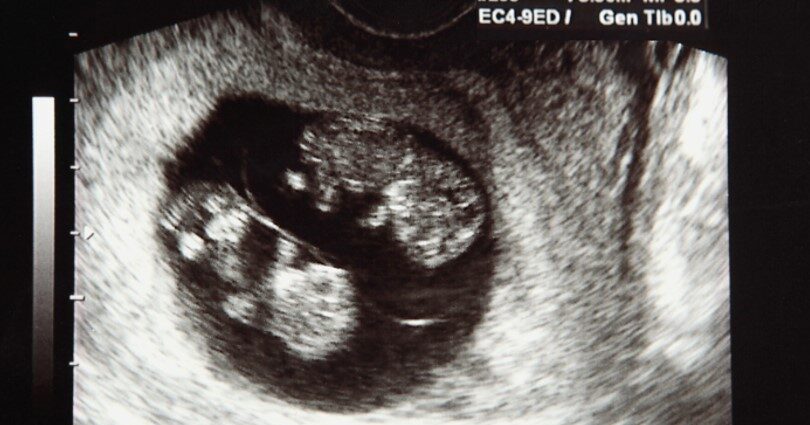
Finding out you’re expecting twins can feel surreal.
One moment you’re preparing for one baby, and the next you’re trying to wrap your head around the idea of welcoming two. It’s exciting, overwhelming, heartwarming, and sometimes a little scary, all at the same time.
Along with the excitement often comes a long list of questions. Will the pregnancy be different? Will I need more prenatal care? How do you prepare for two babies at once?
The truth is that twin pregnancies often come with extra appointments, additional planning, and unique challenges. But they also bring double the love, double the milestones, and countless unforgettable moments. Understanding what to expect can help you feel more confident, prepared, and supported as you navigate this unique experience.
Quick Summary: Twin Pregnancy Expectations
- Pregnancy symptoms may feel stronger or appear earlier
- You’ll likely have more prenatal appointments and ultrasounds
- Fatigue is often more noticeable
- Nutritional needs are higher
- Physical changes may happen sooner
- Twins are more likely to arrive before 40 weeks
- Building a support system is essential
- Preparation matters, but perfection isn’t required
How Twin Pregnancies Often Feel Different
One of the first things many moms notice when expecting twins is that pregnancy can feel a little more intense than they expected. Since your body is supporting the growth and development of two babies, it’s common for certain symptoms to appear earlier or feel stronger than they might during a singleton pregnancy.
Some of the most common twin pregnancy symptoms include:
- Increased fatigue
- Stronger nausea or morning sickness
- Greater breast tenderness
- Earlier weight gain
- Increased hunger
- More frequent urination
Of all these symptoms, fatigue is often the one parents talk about most. Growing two babies requires a tremendous amount of energy, and it’s normal to feel more tired than usual, especially during the first and third trimesters.
If you’re feeling exhausted, try not to be too hard on yourself. Rest isn’t a luxury during a twin pregnancy,it’s an important part of taking care of both yourself and your babies. Listening to your body, slowing down when needed, and accepting help when it’s offered can make a meaningful difference throughout your pregnancy.
Understanding Prenatal Care for Twins
One of the first things many parents notice after learning they’re expecting twins is that their calendar suddenly fills up with more appointments. While it may seem like a lot at first, these extra checkups play an important role in keeping both babies and mom healthy throughout pregnancy.
Because twin pregnancies carry unique considerations, The American College of Obstetricians and Gynecologists (ACOG) explains that multiple pregnancies often require additional monitoring to help track fetal growth and identify potential complications early. healthcare providers typically recommend additional monitoring to track growth, development, and overall well-being. More frequent visits also allow potential concerns to be identified and addressed as early as possible.
During your prenatal appointments, your healthcare team may monitor:
- Baby growth and development
- Placenta health
- Amniotic fluid levels
- Maternal blood pressure
- Signs of preterm labor
Although the extra appointments can sometimes feel overwhelming, many parents find them reassuring. Each visit offers an opportunity to check on both babies, ask questions, and gain peace of mind as your pregnancy progresses. Rather than viewing them as another item on your to-do list, try to think of them as an extra layer of support for you and your growing family.
Taking Care of Yourself Matters More Than Ever
When you’re expecting twins, taking care of yourself becomes just as important as caring for your growing babies. Carrying two babies places extra demands on your body, which is why nutrition, hydration, and rest deserve special attention throughout pregnancy.
Many healthcare providers encourage moms expecting twins to focus on:
- Protein-rich foods to support healthy growth and development
- Iron-rich foods to help maintain healthy blood levels
- Staying well-hydrated throughout the day
- Taking prenatal vitamins as recommended
- Including calcium-rich foods to support bone health
If morning sickness, food aversions, or a reduced appetite make eating difficult, don’t put pressure on yourself to eat large meals. Many moms find that smaller meals and nutritious snacks throughout the day feel much more manageable.
Just as importantly, give yourself permission to slow down when needed. Rest when you’re tired, ask questions when you have concerns, and don’t feel guilty about accepting help. A healthy twin pregnancy isn’t about doing everything perfectly, it’s about supporting your body and your babies one day at a time.
Common Physical Changes During a Twin Pregnancy
Every pregnancy is different, but many moms expecting twins notice physical changes earlier or more intensely than they expected. As your body adapts to carrying two babies, it’s completely normal to experience new aches, discomforts, and changes along the way.
Faster Belly Growth
One of the most noticeable differences is how quickly your bump grows. Because two babies are developing at the same time, your uterus expands more rapidly than it typically would in a singleton pregnancy. Many moms begin showing earlier and may feel larger sooner than they expected.
Increased Back and Pelvic Discomfort
As your pregnancy progresses, the additional weight can place extra pressure on your body, particularly your:
- Lower back
- Hips
- Pelvis
- Legs
Simple strategies such as wearing supportive shoes, using a pregnancy pillow, trying gentle prenatal stretching, or wearing a maternity support belt may help improve comfort throughout the day.
More Noticeable Swelling
Swelling in the feet, ankles, and hands is common during pregnancy, but it can be more noticeable when carrying twins, especially during the third trimester. Staying hydrated, elevating your feet when possible, and taking regular breaks to rest may help reduce some of the discomfort.
Remember, your body is adapting to support two growing babies. While some discomfort is expected, always talk with your healthcare provider if something doesn’t feel right or if symptoms suddenly worsen.
Managing a Twin Pregnancy Day by Day
One of the most valuable pieces of advice experienced twin parents often share is surprisingly simple: slow down sooner than you think you need to.
It’s easy to push through fatigue and keep up with your usual routine, but carrying twins requires a tremendous amount of energy. Listening to your body’s signals, staying hydrated, and resting when you’re tired can help you feel your best throughout pregnancy.
Accept Help When It’s Offered
For many parents, accepting help can be harder than asking for it. However, support can make a meaningful difference during a twin pregnancy.
Whether someone offers to:
- Bring a meal
- Run errands
- Help with household chores
- Watch older children
consider saying yes when you can.
Building a support system before your babies arrive can reduce stress, preserve your energy, and make the transition into life with twins much smoother. Remember, accepting help isn’t a sign of weakness, it’s one of the smartest ways to care for yourself and your growing family.
Preparing Your Home for Twins
Getting ready for two babies at once can feel overwhelming, especially if you’re not sure where to start. The good news is that you don’t need to buy everything immediately. Focusing on the essentials first can help you stay organized and avoid unnecessary stress.
Some of the most helpful items for parents expecting twins include:
- Two safe sleep spaces
- A double stroller
- Diapers and wipes
- Feeding supplies
- Burp cloths
- Baby clothing
- A few extra swaddles and blankets
Remember, babies don’t need a perfectly stocked nursery on day one. Many parents discover what works best for their family after their twins arrive.
Create Simple Systems Before Birth
When life gets busy with two newborns, simple organization can make a big difference. Preparing a few systems ahead of time can help daily routines feel much more manageable.
Consider:
- Setting up diaper stations in the areas where you’ll spend the most time
- Organizing feeding supplies so they’re easy to access
- Sorting baby clothes by size
- Preparing freezer meals for busy days
- Keeping frequently used items within reach
Small steps taken before delivery can save valuable time and energy later, allowing you to focus on caring for your babies and recovering after birth.
Tips for Expecting Twins
While every twin pregnancy is different, many parents find that a few simple strategies can make the journey feel more manageable. The goal isn’t to prepare for every possible situation,it’s to create a foundation that helps you feel supported and confident as your babies’ arrival gets closer.
Prioritize Rest
Fatigue is one of the most common challenges of a twin pregnancy. Your body is working hard every day, so don’t feel guilty about slowing down when you need to. Resting isn’t being lazy,it’s an important part of caring for yourself and your babies.
Prepare Earlier Than You Think
Twins often arrive before their due date, which means it’s a good idea to have the basics ready sooner rather than later. According to the Centers for Disease Control and Prevention (CDC), twins are significantly more likely to be born before 37 weeks than singleton babies. This is one reason many healthcare providers encourage parents expecting twins to prepare their home, hospital bag, and essential baby supplies earlier in pregnancy.
Having essentials organized ahead of time can help you feel less stressed if your babies decide to make an early appearance.
Build a Strong Support System
Parenting twins isn’t something you have to do alone. Family members, friends, neighbors, and local parenting groups can all provide valuable support during pregnancy and after birth. Don’t be afraid to accept help when it’s offered.
Learn About Feeding Options
Whether you plan to breastfeed, formula-feed, or use a combination of both, learning about your options before delivery can help you feel more prepared. Having realistic expectations can also make those first few weeks feel less overwhelming.
Stay Flexible
One lesson many parents of twins learn quickly is that things don’t always go according to plan. Pregnancy, labor, feeding routines, and sleep schedules may all take unexpected turns. Staying flexible and adjusting as needed can help reduce stress and make the experience more enjoyable.
Remember, you don’t need to have everything figured out before your twins arrive. Taking things one step at a time is often the best preparation of all.
You Don’t Have to Be Perfect
One of the biggest misconceptions about expecting or raising twins is that you need to have everything figured out before your babies arrive.
The truth is, no parent does.
Not parents of one baby. Not parents of twins. Not even the parents who seem like they have it all together.
What your babies need most isn’t perfection. They need love, safety, nourishment, and someone who shows up for them every day.
There will be exhausting days. There will be messy days. There will be moments when you question yourself and wonder if you’re doing enough.
But there will also be double smiles, double giggles, tiny hands reaching for you, and countless moments that remind you just how special this journey is.
Give yourself grace. Learn as you go. Celebrate the small wins.
You don’t have to be a perfect parent.
You just have to be their parent.
And that is more than enough.
Frequently Asked Questions
What are the first signs of a twin pregnancy?
Many women report experiencing stronger pregnancy symptoms than they expected, including increased fatigue, more noticeable nausea, breast tenderness, and earlier weight gain. Some moms also feel hungrier or notice that their belly begins growing sooner than expected. However, symptoms alone cannot confirm a twin pregnancy. The only reliable way to know if you’re expecting twins is through an ultrasound performed by your healthcare provider.
Do twin pregnancies require more prenatal appointments?
Yes. Twin pregnancies typically involve more prenatal visits and ultrasounds than singleton pregnancies. Healthcare providers closely monitor both babies’ growth, amniotic fluid levels, placenta health, and the mother’s overall well-being. While the extra appointments can sometimes feel overwhelming, they play an important role in identifying potential concerns early and helping ensure the healthiest possible outcome for both babies.
Is it normal to feel overwhelmed when expecting twins?
Absolutely. Many parents experience a mix of excitement, happiness, anxiety, and uncertainty after learning they’re expecting twins. It’s common to worry about finances, sleep, feeding, childcare, and how life will change once the babies arrive. These feelings don’t mean you’re unprepared, they simply reflect the reality of a major life transition. Building a support system and focusing on one step at a time can help make the journey feel more manageable.
When do twins usually arrive?
Many twin pregnancies deliver before the traditional 40-week mark. Because twins are more likely to arrive earlier than singleton babies, healthcare providers often encourage parents to prepare their home, hospital bag, and essential baby supplies ahead of time. Every pregnancy is different, so it’s important to discuss your individual situation with your healthcare provider and follow their recommendations throughout your pregnancy.
How can I prepare for twins?
Preparing for twins starts with focusing on the basics. Attend prenatal appointments, learn about newborn care, build a support system, and gather essential baby supplies before delivery. It can also be helpful to learn about feeding options, create simple organizational systems at home, and prepare meals in advance. Remember, you don’t need to have everything perfectly planned before your babies arrive. Taking small steps consistently can make a big difference.
Final Thoughts
If you’re expecting twins, take a deep breath.
Yes, there will be challenges. There will be extra appointments, extra planning, and moments when you feel tired, overwhelmed, or unsure of what comes next.
But there will also be double laughter, double cuddles, double milestones, and countless memories you’ll cherish for years to come. Watching two little personalities grow side by side is a truly unique and rewarding experience.
You don’t need to have every answer today. Take things one appointment, one preparation step, and one day at a time. Trust your healthcare team, lean on your support system, and give yourself grace along the way.
Most importantly, remember this: your babies don’t need a perfect parent. They don’t need a perfectly organized nursery, a flawless routine, or someone who has everything figured out.
They simply need you.
Your love, your care, and your presence will matter far more than perfection ever could.
And that is more than enough.