There is something wonderfully simple about packing a few favorite foods, finding a shady patch of grass, and spending an afternoon outside with the people you love most. But when little ones are involved, even a simple picnic can quickly turn into forgotten water bottles, sticky fingers, tired toddlers, and someone desperately searching for a bathroom. If you are wondering how to plan a family picnic without turning it into another exhausting parenting project, the good news is that you really don’t need to make it complicated.
As a mom, I’ve learned that the happiest family outings aren’t usually the perfectly planned ones. They’re the ones where everyone feels comfortable, the kids have room to explore, and we parents aren’t constantly worrying about what comes next.
At Little One Haven, I believe family memories don’t need fancy decorations or an overflowing picnic basket. A little preparation, realistic expectations, and a willingness to let the day unfold can make an ordinary afternoon feel incredibly special.
How to Plan a Family Picnic Without the Stress
When I first started taking my little ones on picnics, I packed as if we were leaving home for three days. Extra clothes, too many snacks, several toys, plates, cups, blankets, wipes, activities, you name it.
By the time everything was loaded into the car, I was already tired.
Over time, I discovered that learning how to plan a family picnic is really about deciding what will make your family comfortable and leaving the rest behind.
Start with three basic questions: Where are we going? What will we eat? What will the kids need to stay comfortable?
Once those are answered, everything else is simply an extra.
Choose a Picnic Spot That Works for Your Kids
A beautiful location matters, but convenience matters even more when you’re bringing children.
That peaceful field tucked far away from everything may look lovely in photos, but it becomes less charming when your newly potty-trained toddler suddenly announces that they need a bathroom immediately.
Whenever possible, choose a park or picnic area with nearby restrooms, shade, open grass, and safe walking paths.
Look for Shade and Space
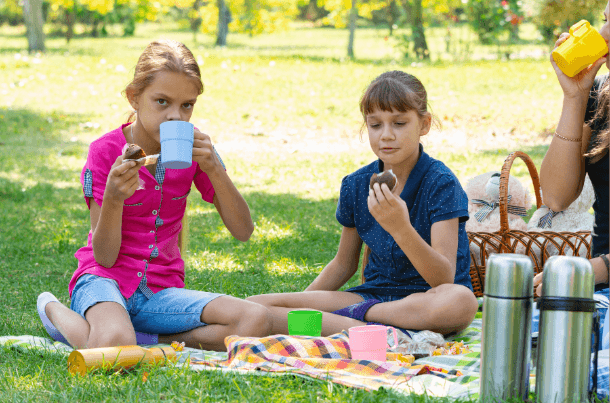
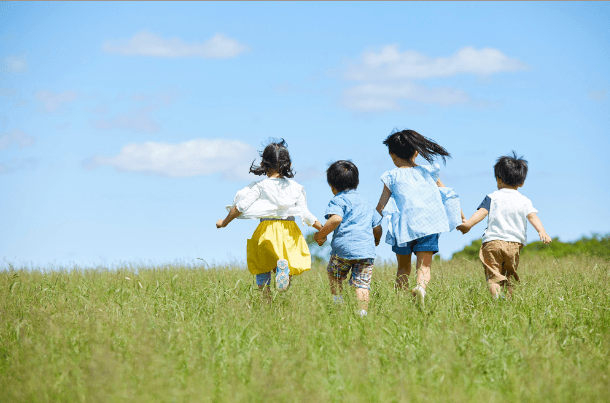
Children rarely sit politely on a blanket for an entire picnic. They’ll eat three bites of a sandwich and suddenly decide that chasing leaves is much more exciting.
Look for somewhere with enough open space for them to run around safely. A large tree, pavilion, or shaded picnic table is especially helpful during warmer weather.
Shade can make the difference between a relaxed afternoon and everyone asking to go home after twenty minutes.
Think About Your Child’s Age
A picnic with a baby looks very different from a picnic with two school-age children.
If you have a crawling baby, soft grass and a large blanket may be important. Toddlers benefit from enclosed playgrounds or open spaces away from busy roads. Older children may enjoy places with walking trails, playground equipment, ponds, or fields for games.
Choose the location for the family you have right now, not the picture-perfect picnic you saw online.
Keep Picnic Food Simple
Picnic food doesn’t have to look like something from a magazine.
In fact, foods that are familiar, easy to hold, and unlikely to create a huge mess are usually the best choices when children are involved.
I like to pack things my kids already enjoy rather than using a picnic as the moment to introduce three new foods.
Sandwiches, wraps, cut fruit, crackers, cheese, sliced vegetables, mini muffins, and other finger foods usually work beautifully.
Pack Foods in Small Portions
One trick that has saved me many times is packing food in smaller containers instead of bringing one large serving bowl.
Children can grab what they want without digging through everything, and it reduces spills.
Individual portions also make it easier to see how much food is left without unpacking the whole basket.
You don’t need dozens of options. Two or three filling foods, fruit, a crunchy snack, and something small for dessert are usually plenty.
Bring Plenty of Water and Stay Hydrated
Kids seem to become especially thirsty the second they start running around outside.
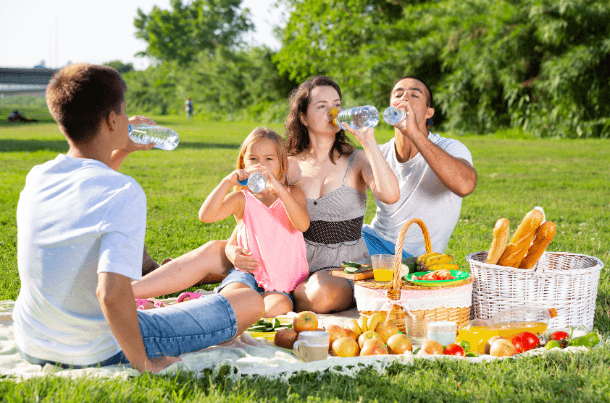
Bring enough drinking water for everyone, especially on warm days. Reusable water bottles are easy for children to manage and reduce the number of disposable cups you need to carry.
I usually tuck one extra bottle of water into our bag too. Even if nobody drinks it, it can help wash sticky hands or clean a small scrape.
Family Picnic Checklist: What to Pack
The easiest way to avoid that sinking “I forgot something” feeling is to keep a basic picnic list.
You don’t need to pack the whole house. A few practical essentials cover most situations.
My family picnic basics usually include:
- A large picnic blanket
- Water bottles
- Easy-to-eat food and snacks
- Napkins or paper towels
- Wet wipes
- Sunscreen
- Hats
- Hand sanitizer
- A small trash bag
- A basic first-aid kit
- One change of clothes for younger children
If your child is still in diapers, naturally add diapers, changing supplies, and anything else you usually carry in your everyday diaper bag.
Keeping a small picnic kit already prepared at home can make spontaneous outings much easier.
Don’t Forget the Humble Trash Bag
This may not be the most exciting picnic tip, but trust me, a trash bag is one of the most useful things you can bring.
Picnics create little bits of rubbish quickly: fruit wrappers, napkins, food containers, broken crackers, tissues, and all the mysterious things children somehow accumulate.
Instead of repeatedly walking to a park bin, keep a small bag beside your picnic area.
At the end, clean-up becomes a five-minute job instead of a scavenger hunt across the blanket.
Plan Around Your Children’s Natural Rhythm
One of the easiest ways to create a peaceful family picnic is to think about timing.
A toddler who normally naps at 1:00 p.m. probably isn’t going to suddenly become cheerful and flexible because you’ve planned an adorable picnic at exactly that time.
Whenever you can, work with your child’s routine instead of against it.
Morning picnics can be lovely for babies and toddlers because everyone is usually rested and temperatures may be cooler.
Older children may enjoy a relaxed lunchtime or late-afternoon picnic when there’s plenty of time to play afterward.
You don’t need to follow your normal schedule perfectly. Just avoid choosing the exact moment your child is usually hungriest, sleepiest, or most overwhelmed.
Bring Entertainment, but Don’t Overpack It
Children are wonderfully good at turning ordinary outdoor things into entertainment.
A stick becomes a magic wand. A row of stones becomes treasure. A hill becomes the most exciting place they’ve ever seen.
Because of that, you don’t need an entire toy box.
Bring one or two simple activities and let nature do the rest.
Easy Picnic Activities for Kids
A ball is always useful because different ages can play with it in different ways.
Bubbles are another favorite, especially for younger children. Sidewalk chalk works well if your picnic area has a suitable paved space.
You can also try a simple nature scavenger hunt. Ask the kids to find something yellow, a smooth leaf, a tiny stick, a feather, or three different flowers without picking protected plants.
For quieter moments, bring a picture book or small coloring activity.
The goal isn’t to entertain children every second. Give them a little space to be bored, explore, invent games, and simply enjoy being outside.
Let the Kids Help Prepare
Children often enjoy an activity more when they feel that it belongs to them too.
Before your picnic, let them help with age-appropriate jobs.
A toddler might place napkins inside the picnic bag. A preschooler can choose between strawberries and grapes. Older children can help make sandwiches, fill water bottles, or create a simple packing list.
Even tiny responsibilities make children feel included.
And sometimes, a child who helped prepare the cucumber slices is surprisingly more interested in actually eating them.
Dress for Comfort, Not Photos
There is absolutely nothing wrong with wanting sweet family photos, but picnic clothes need to survive real children.
Grass stains happen. Juice spills. Someone may discover a muddy patch approximately twelve seconds after arriving.
Choose comfortable clothes that allow children to move, climb, sit, and play without everyone worrying about keeping an outfit perfect.
Light layers are useful when temperatures may change.
On sunny days, hats and breathable clothing can help keep children comfortable. Apply sunscreen before leaving home if appropriate for your child’s age, and remember to reapply according to the product directions.
Comfortable kids usually mean more relaxed parents too.
Expect Something to Go Slightly Wrong
I have yet to experience a family outing where absolutely everything happened according to plan.
Someone doesn’t like the sandwich they specifically requested.
A drink spills.
The wind blows napkins across the grass.
A child needs the bathroom five minutes after everyone sat down.
These moments don’t mean the picnic failed. They’re simply part of going places with children.
Try to leave a little emotional room for things to be imperfect.
Years later, your children probably won’t remember whether every container matched or whether you forgot dessert.
They may remember Dad chasing a runaway napkin, everyone laughing when the strawberries rolled across the blanket, or lying beside you looking up at the clouds.
Sometimes the unexpected moments become the actual memories.
Make Mealtime Relaxed
At home, we may have expectations about everyone staying at the table. A picnic can be a wonderful opportunity to loosen things a little.
Children may eat a few bites, run around, and come back for more.
As long as the environment is safe and the food is being handled appropriately, allowing a little flexibility can make the meal feel less stressful.
Avoid making the picnic entirely about how much your child eats.
New surroundings can distract younger children. They may eat less than usual because there’s a bird nearby doing something incredibly fascinating.
Offer familiar foods and let the atmosphere stay light.
Prepare for Tiny Emergencies
You don’t need to expect disaster, but a few basics can prevent minor problems from ending the day early.
Keep a small first-aid pouch with adhesive bandages, wipes, and any personal medical items your family normally needs.
If your child has allergies, asthma, or another health condition that requires medication, keep necessary medication readily accessible and follow your healthcare professional’s instructions.
Always supervise young children around water features, playground equipment, roads, and unfamiliar outdoor areas.
A spare set of clothes is worth carrying for babies and toddlers too.
It isn’t only for accidents. Mud, spilled drinks, unexpected puddles, or enthusiastic water-play adventures can all create the need for a quick change.
Check the Weather Before Leaving
Family picnics are much easier when the weather isn’t fighting you.
Check the forecast before heading out and pay attention not only to rain but also to heat, wind, and changing conditions.
If the weather doesn’t cooperate, changing plans isn’t a failure.
You can move the picnic indoors, eat on the living room floor, build a blanket fort, or reschedule.
Children often care more about the novelty of eating somewhere unusual than whether the picnic happened in the exact location you originally imagined.
Try a Backyard Picnic on Busy Days
A picnic doesn’t have to involve driving anywhere.
Some of our sweetest little family moments can happen a few steps from the back door.
Spread a blanket in the backyard, bring lunch outside, and pretend you’re visiting somewhere completely new.
For very young children, this can actually be easier than a big park outing.
You still get the outdoor experience without packing half the house or worrying about forgotten items.
If someone needs the bathroom, snacks, a sweater, or a favorite stuffed animal, home is right there.
Apartment families can create the same feeling on a balcony where safe, in a shared garden, or even indoors near an open window.
The magic is really in doing something differently together.
Give Yourself Permission to Keep It Small
Social media can make family activities feel like productions.
Matching picnic baskets. Perfectly sliced fruit. Decorative cushions. Beautiful wooden toys arranged beside spotless children.
Real family life rarely looks like that, and it doesn’t need to.
A family picnic can be peanut butter sandwiches, apples, crackers, and a blanket you’ve owned for ten years.
It can last forty minutes.
It can happen at the tiny neighborhood park.
It still counts.
Your presence is more important than perfect planning. They’re experiencing the feeling of being together.
That is what matters most.
Create a Little Family Tradition
If your first picnic goes well, or even if it goes hilariously badly, consider making picnics part of your family routine.
You could choose one Sunday a month during warmer seasons or have spontaneous “picnic dinners” whenever the weather is beautiful.
Children love familiar traditions.
Maybe everyone chooses one snack to bring. Maybe you always take a silly family photo. Maybe you look for shapes in the clouds after eating.
Traditions don’t have to be elaborate to become meaningful.
Repeated little moments of connection often become some of the childhood memories our kids carry with them for years.
A Gentle Reminder From One Mom to Another
Planning family time can sometimes feel like another item on an already overflowing parenting list.
We want our children to have wonderful experiences, so we prepare, organize, pack, remember, clean, photograph, comfort, and somehow try to enjoy ourselves at the same time.
But you deserve to be part of the memory too.
Once the essentials are taken care of, sit down.
Eat your sandwich while it’s still yours.
Watch the kids run through the grass. Feel the breeze. Take a photo if you want one, then put the phone away for a while.
Your presence is more important than perfect planning.
Frequently Asked Questions About Family Picnics
How to do a family picnic?
What are some ideas for a family picnic?
What is the perfect picnic checklist?
What to pack for a family picnic?
What food is best for a family picnic with kids?
Final Thoughts
Learning how to plan a family picnic isn’t about creating a flawless outdoor event. It’s about making things easy enough that everyone, including you, has a chance to enjoy being together.
Choose a comfortable location, bring simple food, pack a few essentials, and plan around your children’s needs. After that, allow the day to be whatever it becomes.
There may be crumbs all over the blanket. Someone may complain about the grass. Your toddler might eat nothing except strawberries. You may come home with muddy shoes and half the snacks untouched.
That’s family life.
And tucked somewhere inside all that beautiful imperfection may be a moment when your little one curls up beside you, laughs until their cheeks turn pink, or proudly hands you the tiny leaf they found.
Those are the moments worth packing the picnic basket for.
For more helpful parenting tips, family activity ideas, and practical advice for everyday moments with your little ones, explore Tot Advice and discover simple ways to make family life easier and more meaningful.
Resource
CDC outdoor play and safety guidance
AAP sun safety guidance for children
Disclaimer
This article is for general educational and informational purposes only. Always supervise children during outdoor activities, choose age-appropriate foods and activities, follow safe food-storage and sun-protection practices, and consider your child’s allergies, medical needs, mobility, and developmental abilities when planning a family picnic. Follow the advice of your child’s healthcare professional when specific health or safety needs apply.
About the Author
Geeta Yogi writes warm, practical, parent-friendly content about family activities, outdoor play, toddler routines, child safety, and everyday parenting. She focuses on helping parents plan realistic family experiences that feel manageable, meaningful, and enjoyable for both children and adults.