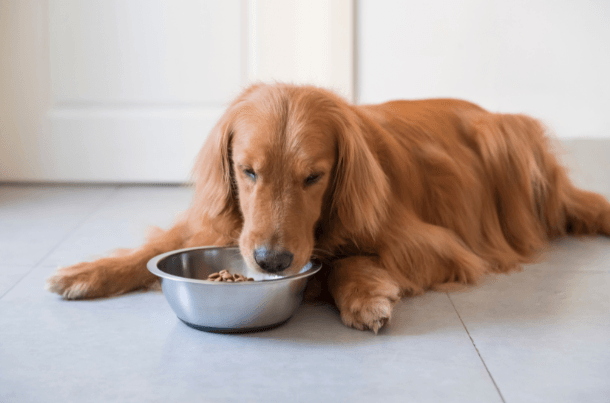
Have you ever opened a jar of baby food and noticed your dog watching every spoonful? That hopeful little face can make it tempting to share. But can dogs eat baby food, or could it cause stomach problems?
Yes, dogs can eat some types of plain baby food in small amounts, but only as an occasional treat, topper, or temporary feeding aid. The ingredients matter most, because many baby foods contain onion, garlic, salt, or other ingredients that may be unsafe for dogs.
Before offering your furry friend a taste, always read the full ingredient list. A simple-looking puree may contain onion powder, garlic, added salt, sweeteners, or other ingredients your dog should not eat.
Important: This article provides general information and should not replace advice from your veterinarian, especially if your dog is sick, very young, elderly, or following a prescription diet.
Can Dogs Eat Baby Food Safely? Benefits and Risks
Yes, dogs may eat a small amount of plain baby food as an occasional treat, food topper, or temporary appetite aid.
Pet parents asking, “can dogs eat baby food?” should remember that not every product made for babies is suitable for pets. Plain ingredients may be acceptable, while seasoned meals and mixed recipes can contain substances that are dangerous for dogs.
While a small amount of safe baby food may be okay occasionally, dogs should not eat baby food every day as a replacement for their regular diet. Dogs need complete and balanced nutrition specifically formulated for their life stage.
Some veterinary hospitals use smooth, meat-based baby foods because they are easy to swallow and digest. They may also be useful for hiding oral medication. Suitable options must be free from onion, garlic, and other harmful additives.
However, the answer to “can dogs eat baby food?” depends on three things:
- The ingredients in the product
- The amount your dog eats
- Your dog’s individual health needs
A healthy adult dog may tolerate a spoonful of plain turkey puree without any difficulty. A dog with allergies, diabetes, pancreatitis, kidney disease, or a sensitive stomach may need to avoid it completely.
That is why checking the label and speaking with your veterinarian are always the safest steps.
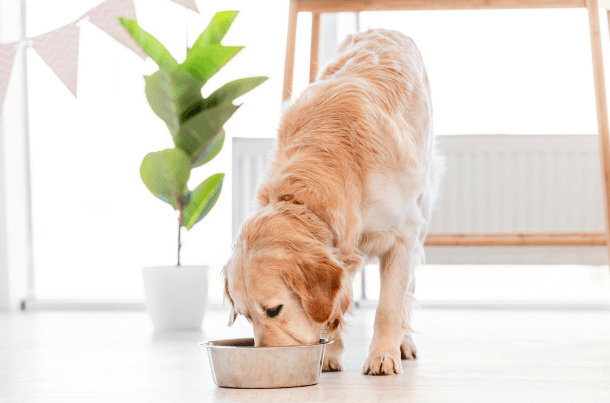
Why Can Dogs Eat Baby Food in Certain Situations?
Baby food should not become part of every dog’s daily routine. Still, there are a few situations in which pet parents may consider using it.
To Encourage a Dog to Eat
When a dog is recovering from an illness, surgery, dental treatment, or a stressful experience, they may temporarily lose interest in their normal food. The soft texture and strong smell of meat-based baby food may make eating more appealing.
A little puree can sometimes be mixed with regular dog food as a topper. However, a sudden or continued loss of appetite may indicate illness and should not simply be covered up with tastier food.
To Help Give Medication
Some plain baby foods can make tablets or powdered medicines easier to give. A small amount of puree may disguise the taste and help the medicine slide down more comfortably.
Always confirm that the medication can be given with food. Some medicines must be given on an empty stomach or should not be crushed.
For Dogs With Chewing Difficulties
Senior dogs and dogs recovering from dental procedures may struggle with crunchy kibble. Smooth baby food is easy to lick and swallow, but it is not a nutritionally complete replacement for an appropriate soft dog food.
Your veterinarian may recommend soaking your dog’s regular food, using canned dog food, or choosing a veterinary recovery diet instead.
As an Occasional Food Topper
A tiny amount of safe baby food can add moisture and flavour to a dog’s usual meal. This can be helpful for picky dogs, but using tasty toppers too frequently may encourage some dogs to refuse their balanced food.
What Is the Best Baby Food for Dogs?
The best baby food for dogs has a short and easy-to-understand ingredient list. Ideally, choose a single-ingredient product with no seasoning, sweeteners, preservatives, or sauces.
When deciding can dogs eat baby food safely, look for products with the shortest possible ingredient list. Single-ingredient meat or vegetable purees are generally easier to evaluate than mixed dinners, desserts, or seasoned recipes.
Potentially suitable options include:
Plain Chicken or Turkey Puree
Plain poultry-based baby food may be one of the easiest options for dogs to digest. Choose a product containing only chicken or turkey, water, and perhaps a safe thickener.
Do not assume that every meat puree is safe. Many products contain onion powder, garlic powder, broth, starches, or added salt.
Plain Beef or Lamb Puree
Unseasoned beef or lamb baby food may also be suitable for dogs that already tolerate these proteins.
Avoid introducing a new protein when your dog is experiencing vomiting, diarrhoea, itching, or another possible allergic reaction unless your veterinarian recommends it.
Pumpkin Puree
Plain pumpkin baby food may be given to some dogs in small quantities. Make sure it is pure pumpkin and not pumpkin pie filling, which may contain sugar, spices, or other unsuitable ingredients.
Veterinary guidance commonly includes small amounts of plain pureed pumpkin among options that may help support dogs with mild digestive upset.
Sweet Potato or Carrot Puree
Plain sweet potato and carrot baby foods may work as occasional treats for healthy dogs. They should not contain butter, milk, salt, onion, garlic, or seasoning.
Banana, Apple, or Pear Puree
Small amounts of unsweetened fruit puree may be safe for many healthy adult dogs. Choose products without added sugar, artificial sweeteners, grape juice, raisins, or mixed ingredients.
Even safe fruit purees contain natural sugar, so they are not ideal for dogs with diabetes, weight concerns, or certain medical conditions.
Baby Food Ingredients Dogs Must Avoid
The most important part of choosing baby food for a dog is reading the ingredient label carefully.
Although can dogs eat baby food is a common question, the answer can quickly change when unsafe ingredients are present. Even a small jar may contain onion powder, garlic, sweeteners, dairy, salt, or flavouring that is not obvious from the front label.
Never rely only on the flavour written on the front. A jar labelled “chicken dinner” may contain chicken along with onion, garlic, salt, and several other ingredients.
Onion and Onion Powder
Dogs should not eat onion in any form. Raw, cooked, dried, concentrated, and powdered onion can all be harmful.
Onion can damage a dog’s red blood cells and may lead to anaemia. Onion powder is especially easy to overlook because it may be included in meat, vegetable, broth, and dinner-style baby foods.
Garlic
Garlic belongs to the same Allium family as onions, chives, and leeks. These ingredients should be avoided in food given to dogs because they can cause red blood cell damage and other serious health complications.
Xylitol
Xylitol is a sweetener that is highly toxic to dogs. Even a small amount may cause a dangerous drop in blood sugar, seizures, liver damage, or death.
It is more commonly found in sugar-free human products than in traditional baby food, but labels and recipes change. Always check for xylitol, particularly in specialised, low-sugar, or sugar-free products.
Grapes and Raisins
Do not give your dog baby food containing grapes, raisins, raisin paste, or grape-based mixtures. Grapes and raisins can cause kidney failure in dogs, and there is no reliably safe amount.
Chocolate or Cocoa
Chocolate and cocoa products contain substances that dogs cannot process safely. They can cause vomiting, abnormal heart activity, tremors, seizures, and other serious symptoms.
Added Salt
A very small amount of sodium naturally present in food is different from a heavily salted product. Still, dogs do not need salty baby-food dinners, soups, gravies, or broths.
Dogs with heart, kidney, or blood-pressure concerns may be particularly sensitive to extra sodium.
Added Sugar and Syrups
Sugar is not usually immediately toxic to dogs, but sugary foods add unnecessary calories and may contribute to weight gain or dental problems.
Avoid products containing added sugar, corn syrup, dessert sauces, caramel, or sweetened fruit concentrates.
Dairy Ingredients
Some baby foods contain milk, cream, cheese, or yoghurt. Many dogs have difficulty digesting lactose, which may lead to gas, loose stools, or vomiting.
Fatty dairy ingredients may also be unsuitable for dogs with a history of pancreatitis.
Can Dogs Eat Baby Food for an Upset Stomach?
Pet parents sometimes offer baby food for sick dogs because it looks gentle and easy to digest. A plain meat puree may occasionally be used as part of a short-term feeding plan, but it is not automatically the best treatment for an upset stomach.
Vomiting, diarrhoea, and loss of appetite can have many causes, including dietary changes, infections, parasites, toxins, pancreatitis, or intestinal blockage. Digestive symptoms accompanied by weakness, blood, abdominal pain, dehydration, repeated vomiting, or bloating require veterinary attention.
For mild digestive upset, a veterinarian may recommend a prescription gastrointestinal diet or a carefully prepared bland diet. VCA advises small, frequent portions of an easily digestible diet, such as plain boiled chicken with white rice, when appropriate for that individual dog.
Do not use baby food to delay veterinary care when your dog appears unwell.
Can Puppies Eat Baby Food?
Puppies may be able to lick a very small amount of safe baby food, but it should not replace puppy food or puppy milk replacer.
Growing puppies have specific requirements for protein, fat, minerals, vitamins, and calories. They need food formulated to support healthy development. Feeding an incomplete diet can interfere with proper growth, particularly during the early months of life.
Baby food should not be used to wean orphaned puppies unless a veterinarian has created a feeding plan. Human infant formula and human baby food are not substitutes for canine milk replacer or complete puppy food.
Contact a veterinarian promptly when a young puppy refuses food, vomits, develops diarrhoea, or appears weak. Puppies can become dehydrated and experience low blood sugar more quickly than healthy adult dogs.
How Much Baby Food Can a Dog Eat?
There is no single serving size suitable for every dog. A safe amount depends on the dog’s weight, age, activity level, health condition, and the calorie content of the baby food.
For a first taste, offer only a tiny spoonful of a verified safe product. Watch for vomiting, diarrhoea, gas, itching, facial swelling, or unusual behaviour.
The question is not only can dogs eat baby food, but also how much they can safely consume. Baby food should remain a very small addition to a balanced diet rather than becoming a full meal.
Baby food should be counted as a treat or topper. A widely used veterinary guideline is that approximately 90% of a dog’s daily calories should come from complete and balanced dog food, while treats and extras should stay within the remaining 10%.
This does not mean every dog should receive the full 10% as baby food. For small dogs, puppies, overweight dogs, and dogs on prescription diets, even a small jar may be far too much.
Why Baby Food Is Different From Dog Food
Baby food is designed to meet the nutritional needs of human infants, not dogs. While some ingredients may be safe, it does not provide the correct balance of nutrients dogs require for long-term health.
Why Baby Food Cannot Replace Dog Food
Baby food may contain wholesome ingredients, but it is formulated for human infants. It does not necessarily provide the balance of amino acids, fats, vitamins, minerals, and calories a dog needs.
A complete dog food includes a nutritional adequacy statement indicating the life stage for which it is intended. Foods designed only for supplemental or occasional use do not meet the same standards for continuous feeding.
Feeding baby food as a main diet over time may cause:
- Nutritional deficiencies
- Muscle loss
- Poor coat condition
- Unhealthy weight changes
- Digestive problems
- Improper puppy growth
When a dog cannot eat their regular diet, ask your veterinarian about complete canned food, recovery food, softened kibble, or a professionally formulated home-cooked diet.
How to Give Baby Food to Your Dog Safely
Start by reading every ingredient, including small-print additives. Choose a plain, single-ingredient puree and avoid dinner blends, gravies, desserts, and seasoned recipes.
Offer only a tiny amount the first time. Do not allow your dog to eat directly from the glass jar because the rim could chip or break. Transfer the food to a clean bowl or spoon instead.
Opened baby food should be refrigerated and used according to the storage instructions on the package. Discard food that has been left at room temperature for too long or has been licked directly from the container.
When using baby food with medication, confirm the method with your veterinarian. Use only enough puree to ensure your dog eats the entire dose.
What Should You Do If Your Dog Eats Unsafe Baby Food?
Do not panic, but act promptly.
Keep the package so you can provide the complete ingredient list. Note approximately how much your dog ate and when the exposure occurred.
Contact your veterinarian or a local animal poison-control service immediately when the product contains:
- Onion or garlic
- Xylitol
- Grapes or raisins
- Chocolate or cocoa
- Alcohol
- An unknown sweetener
- Another potentially toxic ingredient
Do not make your dog vomit unless a veterinarian or poison-control professional specifically instructs you to do so.
Seek urgent veterinary care if your dog develops repeated vomiting, severe diarrhoea, trembling, seizures, weakness, pale gums, difficulty breathing, collapse, or unusual sleepiness. Toxic-food reactions can sometimes be delayed, so waiting for symptoms is not always safe.
Frequently Asked Questions
Can dogs eat chicken baby food?
Dogs may eat a small amount of plain chicken baby food when it contains no onion, garlic, excessive salt, or unsafe additives. Check the complete label before serving it.
Can dogs eat vegetable baby food?
Some plain vegetable purees, such as pumpkin, carrot, or sweet potato, may be suitable in small amounts. Avoid mixed dinners containing onion, garlic, butter, seasoning, or large amounts of salt.
Can dogs eat fruit baby food?
Unsweetened banana, apple, or pear puree may be safe as an occasional treat for a healthy dog. Avoid grape, raisin, sweetened, and artificially sweetened products.
Is baby food good for dogs that will not eat?
A small amount of safe meat puree may encourage a dog to eat temporarily. However, appetite loss can be a sign of pain or illness. Arrange veterinary advice when your dog repeatedly refuses food or shows other symptoms.
Can I mix baby food with dog food?
Yes, a little safe baby food may be mixed with regular dog food as an occasional topper. Keep the amount small so your dog still receives most of their calories from complete and balanced food.
Can dogs eat baby food every day?
Daily use is not generally necessary. Regularly adding baby food may increase calories, create nutritional imbalance, or encourage picky eating. Discuss frequent use with your veterinarian.
Can dogs eat baby food with chicken and rice?
Dogs may eat chicken-based baby food only if it contains safe ingredients and no onion, garlic, added seasonings, or harmful additives.
What happens if my dog eats baby food with onion?
Onion-containing baby food can be harmful to dogs because onion may damage red blood cells. Contact your veterinarian for advice, especially if your dog ate a large amount.
Final Thoughts:
So, can dogs eat baby food? Yes, certain plain varieties may be safe in small amounts. Unseasoned chicken, turkey, beef, pumpkin, carrot, or sweet potato puree can sometimes work as a temporary food topper, medication aid, or occasional treat.
The ingredient label matters more than the flavour printed on the front. Avoid any product containing onion, garlic, xylitol, grapes, raisins, chocolate, heavy seasoning, or excessive salt.
Most importantly, remember that baby food is not complete dog nutrition. Your dog’s regular meals should come from food formulated for their age, size, health, and life stage. When your dog is refusing meals or experiencing digestive symptoms, veterinary advice is safer than relying on a jar of baby food.
For more practical pet care tips, feeding guidance, and helpful advice for everyday pet parents, visit Tot Advice.