
Welcoming a new life is one of the most profound and unforgettable experiences a parent can have. It’s exciting, emotional, beautiful, and yes, sometimes a little intimidating.
One of the biggest questions many expectant moms have is: How will I handle labor pain?
If you’re wondering about safe pain relief during labor, you’re not alone. Every birth experience is different, and there isn’t a single “right” way to cope with contractions. Some women prefer natural techniques, while others choose medical options such as an epidural or nitrous oxide. Many use a combination of both.
The good news is that today’s moms have more labor pain management options than ever before. Understanding your choices before labor begins can help you feel more confident, informed, and prepared for the big day.
Most importantly, remember: there’s no prize for suffering in silence and no shame in accepting help. The goal isn’t a perfect birth, it’s a safe, supported, and positive experience for both you and your baby.
Quick Summary: Labor Pain Relief Options
Before diving into the details, here’s a quick overview of the most common pain management options during labor:
Natural Pain Relief
- Walking and movement
- Warm water therapy
- Massage and touch
- Breathing techniques
- Visualization and relaxation
Non-Medicated Labor Support
- Birth ball exercises
- Hypnobirthing
- Doula support
Medical Pain Relief
- Epidural anesthesia
- Nitrous oxide (laughing gas)
- IV pain medications
Many moms find that combining multiple techniques provides the most comfort during labor.
Safe Pain Relief During Labor: Understanding Your Options
Labor pain happens because the uterus contracts, the cervix opens, and the baby moves through the birth canal. While pain is a normal part of childbirth, modern medicine and traditional comfort techniques offer many ways to make labor more manageable.
Every mom experiences labor differently, which is why understanding the various pain relief options during labor can help you feel more prepared and confident before birth.
The best choice depends on:
- Your personal preferences
- Your medical history
- How labor progresses
- Your birth setting
- Recommendations from your healthcare provider
Many moms discover that flexibility is helpful. What feels right before labor may change once contractions begin, and that’s perfectly okay.
Natural Pain Relief During Labor
Many women choose natural pain relief during labor to help manage contractions without medication. Techniques like movement, breathing exercises, warm water, massage, and relaxation can reduce discomfort while helping you stay calm, active, and focused throughout the birth process. These methods can be used alone or alongside medical pain relief options.
Movement and Walking
One of the easiest and most effective ways to cope with labor pain is simply to keep moving. Walking, swaying, rocking, or changing positions can help your baby move into a better position while reducing pressure on your back. Many moms find that staying upright makes contractions feel more manageable and helps labor progress naturally. During labor, trust your body,it often guides you toward the positions that feel most comfortable.
Warm Water Therapy
Warm water can provide incredible comfort during labor. Whether it’s a warm shower, labor tub, or birth pool, the soothing warmth helps relax tense muscles and ease discomfort. Many women say that stepping into warm water during contractions helps them feel calmer, more relaxed, and better able to cope with labor pain.
Massage and Gentle Touch
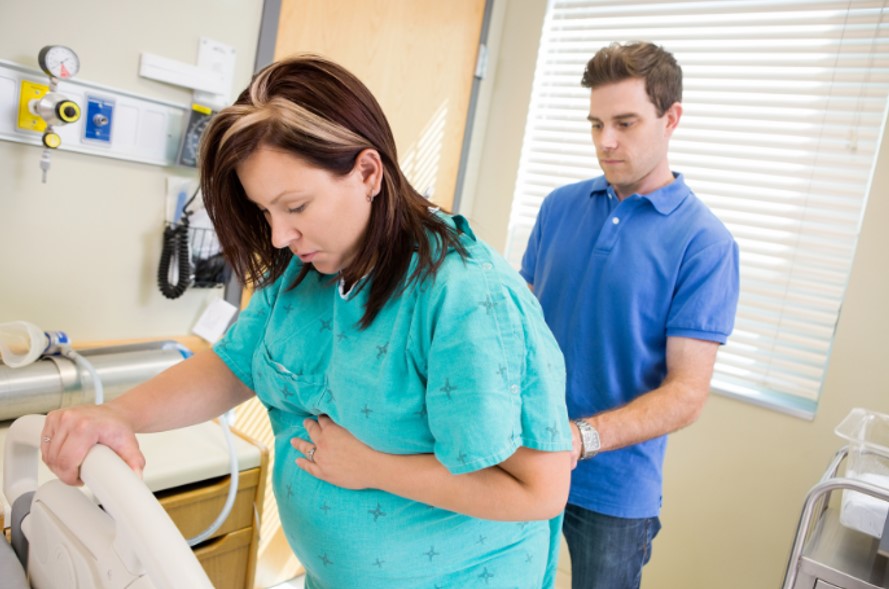
Never underestimate the power of comforting touch during labor. A gentle back massage, shoulder rub, or supportive hand to hold can help ease tension and provide emotional reassurance. Simple touch from a partner, doula, or loved one can reduce anxiety and create a sense of safety, making labor feel less overwhelming.
Breathing Techniques for Labor Pain
One of the simplest yet most powerful tools during labor is your breath. While breathing techniques won’t make contractions disappear, they can help you stay calm, focused, and in control as your body works to bring your baby into the world. Learning how to breathe through contractions can reduce tension, lower anxiety, and make labor feel more manageable. Many childbirth educators recommend practicing breathing techniques before labor so they feel more natural when contractions begin.
Slow Deep Breathing
During early labor, taking slow, deep breaths can help your body relax and conserve energy. Breathing in slowly through your nose and gently exhaling through your mouth encourages relaxation and prevents your muscles from tightening unnecessarily. Many moms find that focusing on their breathing helps them stay present instead of worrying about what comes next.
Rhythmic Breathing
As labor becomes more intense, a steady breathing rhythm can provide comfort and focus. Some women prefer counting while breathing, such as inhaling for four counts and exhaling for four counts. Having a consistent rhythm can serve as an anchor during contractions and help you feel more in control of the experience.
Visualization with Breathing
Combining breathing with positive visualization can be especially calming during labor. As you breathe, imagine peaceful scenes like ocean waves rolling in, a quiet beach at sunrise, or finally holding your baby in your arms. These gentle mental images can reduce fear, encourage relaxation, and help you move through each contraction with greater confidence.
Comfort Measures During Labor That Really Help
Sometimes small changes can provide surprising relief during labor. These comfort measures are often used alongside other pain management techniques to help moms feel more comfortable and relaxed.
Many labor pain coping techniques focus on helping moms feel calm, supported, and in control throughout the birth experience.
Changing Positions Frequently
Moving your body and changing positions regularly can help labor feel more manageable. Sitting on a birth ball, kneeling, standing and swaying, side-lying, or getting on your hands and knees may relieve pressure and improve comfort during contractions. Many moms find that staying mobile helps them cope better with labor pain.
Using Heat or Cold Packs
Heat and cold therapy can be simple but effective ways to ease discomfort. Warm packs are often used on the lower back, hips, or tense muscles to encourage relaxation. Cold packs placed on the forehead, neck, or shoulders can feel refreshing and soothing, especially during longer labors.
Creating a Calm Environment
A peaceful environment can make a big difference in how labor feels. Dim lighting, soft music, positive affirmations, and supportive people nearby can help reduce stress and anxiety. When a mom feels safe and emotionally supported, it often becomes easier to relax and work through contractions.
Non Medicated Labor Pain Relief Techniques
Many moms who plan for an unmedicated birth find it helpful to learn different coping techniques before labor begins. These methods focus on comfort, relaxation, and working with your body naturally during the birth process.
Birth Ball Exercises
A birth ball can be a wonderful tool during labor. Gentle rocking, bouncing, or circular movements may help open the pelvis, encourage your baby to move into a good position, and reduce pressure on the lower back. Many women find that using a birth ball helps them stay comfortable and relaxed during contractions.
Hypnobirthing
Hypnobirthing combines breathing exercises, visualization, and deep relaxation techniques to help moms approach labor with confidence. Rather than focusing on fear or tension, it encourages a calm mindset, which can make the labor experience feel more manageable and empowering.
Doula Support
Having continuous support during labor can make a meaningful difference. A doula provides encouragement, emotional reassurance, and practical comfort measures throughout the birth process.
Research published in a systematic review available through the National Library of Medicine (PubMed) found that continuous labor support may improve birth experiences and reduce the likelihood of certain medical interventions during childbirth.
Many moms say that having a calm and experienced support person by their side helps them feel more confident, supported, and less overwhelmed during labor.
Epidural Pain Relief During Labor
For moms who want stronger pain relief during childbirth, an epidural is one of the most common medical options. According to the American College of Obstetricians and Gynecologists (ACOG), epidurals are among the most effective forms of pain relief available during labor and delivery. Understanding the benefits, risks, and available options before labor begins can help you feel more confident and make informed decisions that align with your birth preferences. An epidural works by delivering medication near the nerves in the lower back, helping to significantly reduce labor pain while allowing you to remain awake and actively involved in the birth experience.
Benefits of an Epidural
Many women choose an epidural because it can provide effective pain relief, especially during long or exhausting labors. It may help you rest, conserve energy, and feel more comfortable as you prepare for the pushing stage. For some moms, an epidural can make the overall birth experience feel less overwhelming and more manageable.
Things to Consider
Like any medical procedure, an epidural has both benefits and potential risks. Some women may experience temporary numbness, limited movement, or require additional monitoring during labor. Talking with your healthcare provider before delivery can help you understand whether an epidural is the right choice for your individual needs and birth plan.
Other Medical Pain Relief Options for Childbirth
While epidurals are a popular choice, they aren’t the only medical option available for managing labor pain. If you’re exploring different pain management options, the Cleveland Clinic’s labor pain relief guide provides a helpful overview of both medicated and non-medicated approaches used during childbirth. Depending on your hospital, birth center, and individual needs, there may be other pain relief methods that can help you feel more comfortable during childbirth.
Nitrous Oxide (Laughing Gas)
Nitrous oxide, often called laughing gas, is inhaled through a mask during contractions. It can help reduce anxiety and make contractions feel easier to cope with while allowing you to stay awake, alert, and mobile. Many women appreciate that its effects wear off quickly once they stop using it.
IV Pain Medications
Some hospitals offer pain-relieving medications through an IV. These medications don’t completely eliminate pain but can help you relax, reduce discomfort, and get much-needed rest during labor. Your healthcare provider can help determine whether this option is suitable for your specific situation.
Labor Pain Management Techniques for Back Labor
Some moms experience intense discomfort in their lower back during labor, often known as back labor. This can happen when the baby is positioned in a way that places extra pressure on the mother’s back. While back labor can feel especially challenging, there are several techniques that may help provide relief.
Counter-Pressure
Applying firm pressure to the lower back during contractions can help reduce discomfort and ease muscle tension. Many partners or support people learn this technique before labor and find it helpful during active labor.
Hands-and-Knees Position
Getting on your hands and knees may help relieve pressure on the lower back and encourage your baby to move into a more favorable position. Many women notice improved comfort when changing into this position during contractions.
Warm Compresses
Applying warmth to the lower back can help relax tense muscles and provide soothing relief. A warm towel, heating pad, or warm compress may help make back labor feel more manageable.
Ways to Reduce Labor Pain Before Labor Begins
Preparing for labor before contractions start can make a big difference in how confidently you cope with pain. While no preparation can completely remove labor discomfort, learning helpful techniques ahead of time can make the experience feel less overwhelming.
Attend Childbirth Classes
Childbirth classes can help you understand what to expect during labor and delivery. Learning about the stages of labor, breathing techniques, and coping strategies often helps reduce fear and build confidence before the big day.
Stay Physically Active During Pregnancy
If your healthcare provider approves, staying active during pregnancy can help prepare your body for labor. Activities like walking, prenatal yoga, swimming, or gentle stretching may improve strength, flexibility, and endurance, all of which can be helpful during childbirth.
Practice Relaxation Skills
Relaxation is a skill that becomes easier with practice. Deep breathing, meditation, visualization, and other calming techniques can help you stay relaxed during contractions. The more familiar these methods feel before labor, the more naturally you may be able to use them when the time comes.
Talking With Your Healthcare Provider
Before labor begins, having an open conversation with your healthcare provider can make you feel more confident and prepared. Discussing available pain relief options, hospital policies, birth center resources, epidural availability, and natural comfort measures helps you understand what support will be available. Sharing your personal preferences allows your provider to tailor care to your needs. Remember, a birth plan is a guide, not a strict rule, staying flexible often leads to a more positive and empowering labor experience.
Frequently Asked Questions
What is the safest pain relief during labor?
The safest pain relief option depends on your health, pregnancy, and labor experience. Natural comfort measures, epidurals, nitrous oxide, and other medical options can all be safe when used appropriately and under medical supervision. The best choice is the one that aligns with your needs, preferences, and your healthcare provider’s recommendations. Discussing pain relief options during pregnancy can help you feel more prepared and confident when labor begins.
Can I manage labor pain without medication?
Yes. Many women use breathing techniques, movement, warm water therapy, massage, birth balls, and relaxation methods to help manage labor pain naturally.
Is an epidural safe during labor?
For most healthy pregnancies, epidurals are considered a safe and effective form of labor pain relief. They can significantly reduce discomfort while allowing you to remain awake and involved in the birth process. Like any medical procedure, epidurals carry potential risks and benefits, which is why it’s important to discuss your options with your healthcare provider before labor begins.
What helps reduce labor pain naturally?
Walking, changing positions, warm showers, massage, breathing exercises, and emotional support are common natural labor pain relief techniques.
When should I discuss pain relief options with my doctor?
It’s helpful to discuss labor pain relief options during pregnancy so you understand what choices may be available before labor begins.
Final Thoughts
As your due date approaches, it’s completely normal to feel curious,or even nervous,about labor pain.
The good news is that there are many safe pain relief options available, from breathing exercises and warm water therapy to epidurals and medical pain management. You don’t have to face labor without support, and you don’t have to decide everything in advance.
Every birth experience is unique, and it’s completely normal if things don’t go exactly according to plan. What matters most is staying informed, remaining flexible, and seeking support when you need it.
Remember: your strength is not measured by how much pain you endure. It’s measured by the courage, resilience, and love you bring to the journey of welcoming your baby into the world.
Trust your body. Trust your healthcare team. And most importantly, trust yourself.