There are days when keeping a toddler entertained without a screen can feel almost impossible. Between endless chores, tired afternoons, and clingy little moods, many parents reach for the TV simply to catch a breath. And honestly? We’ve all been there. But the beautiful thing about screen free toddler activities is that they often create the sweetest memories, the biggest giggles, and the most meaningful learning moments, all without needing fancy toys or perfect planning.
Toddlers are naturally curious little humans. They want to touch, explore, stack, pour, pretend, dance, and discover the world around them. Sometimes, the simplest activities become the ones they love most. This guide is filled with gentle, realistic ideas for busy parents who want more connection, creativity, and calm in everyday life.
Why Screen-Free Play Matters for Toddlers
Simple screen-free activities for toddlers can help encourage creativity, focus, independent play, and stronger family connection at home.
Screens are everywhere today, and using them occasionally doesn’t make anyone a bad parent. But toddlers learn best through real-world experiences, through movement, conversation, imagination, and hands-on play.
Research on the importance of play and early childhood development also highlights how exploration, creativity, and responsive interactions help support children’s learning and overall well-being.
When children spend time away from screens, they build important skills like:
- Language and communication
- Problem-solving
- Fine motor development
- Emotional regulation
- Creativity and imagination
- Independent play skills
The best part is that many no screen activities for toddlers are incredibly simple and can fit naturally into daily routines.
Simple Screen Free Toddler Activities Using Everyday Items
You don’t need expensive toys to keep toddlers entertained. Most little ones are happiest exploring simple things already around the house. Everyday items can turn into fun learning moments with just a little creativity.
Sensory Bins
Fill a shallow container with rice, oats, pasta, or pom-poms and add spoons, cups, or toy animals. Toddlers love scooping, pouring, and digging through different textures.
This simple activity supports sensory learning, focus, and fine motor skills while keeping little hands busy for quite a while. A small mom tip, place a bedsheet underneath to make cleanup easier.
Water Play in the Kitchen
Toddlers naturally love water play. Set out a few bowls, cups, spoons, and sponges near the sink or on the floor with towels underneath.
Let them pour, squeeze, and splash freely. It’s one of the easiest busy toddler activities at home because it keeps children calm, focused, and happily engaged.
Sticky Wall Art
Tape contact paper or painter’s tape to the wall and let your toddler stick lightweight objects onto it.
Try using:
- Tissue paper
- Cotton balls
- Felt shapes
- Foam letters
This easy activity encourages creativity and fine motor skills without creating a big mess around the house.
Indoor Screen Free Activities for Rainy Days
Some days feel extra long when the weather keeps everyone stuck inside. Rainy afternoons, cold mornings, or simply tiring days can make toddlers restless very quickly. That’s when having a few simple indoor screen free activities can truly help bring calm, fun, and connection back into the day.
Pillow Obstacle Courses
Turn your living room into a fun little adventure space using couch cushions, blankets, stuffed animals, or tape lines on the floor.
Ask your toddler to:
- Crawl under chairs
- Jump over pillows
- Walk along tape lines
- Toss soft balls into baskets
Toddlers love moving their bodies, and obstacle courses are a great way to help them release energy indoors while building balance and coordination.
Dance Party Time
Sometimes all a toddler needs is music and a little silliness. Put on cheerful songs and dance together around the living room.
Try fun movement games like:
- Freeze dance
- Animal walks
- Spin and stop
- Follow the leader
Even a short dance session can completely change the mood of the day and bring lots of laughter into the house.
Indoor Camping
Build a cozy blanket fort using pillows, chairs, and blankets. Bring in books, flashlights, favorite stuffed animals, and a few snacks to make it extra special.
To toddlers, these simple moments feel magical. They won’t remember whether the fort looked perfect, they’ll remember the warmth, cuddles, and time spent together.
Creative Play Without Screens Encourages Imagination
One of the sweetest things about toddlers is how naturally imaginative they are. Give them the simplest object, and suddenly it becomes something magical. A cardboard box can turn into a rocket ship, a spoon becomes a microphone, and a blanket transforms into a cozy castle. That’s the beauty of creative play without screens, it allows children to explore, imagine, and create their own little world.
Pretend Kitchen Play
Toddlers absolutely love copying what they see adults doing every day. Hand them a few simple kitchen items like:
- Empty containers
- Wooden spoons
- Measuring cups
- Plastic bowls
While you cook nearby, they can happily “make dinner” beside you. Pretend kitchen play encourages imagination, communication, and social development in such a natural way.
Stuffed Animal Doctor
Set up a tiny doctor station using toy medical kits or simple things from around the house like tissues, bandages, or cotton balls.
Toddlers enjoy taking care of their stuffed animals and “helping” them feel better. It’s a gentle activity that supports empathy, emotional understanding, and nurturing behavior.
Cardboard Box Creations
Never throw away a cardboard box too quickly when you have a toddler at home. What looks ordinary to us can feel incredibly exciting to little ones.
A simple box can become:
- A car
- A train
- A grocery store
- A puppet theater
Sometimes the best toys aren’t expensive at all. They simply give children space to imagine freely and play in their own creative way.
Educational Screen Free Toddler Games That Feel Like Play
Toddlers learn best when they’re having fun. In fact, many of the most valuable learning experiences happen during simple everyday activities that don’t feel like lessons at all. Screen-free games encourage curiosity, creativity, and hands-on exploration while helping toddlers develop important skills naturally.
Color Sorting
Color sorting is a fun and easy activity that helps toddlers learn while they play. Simply gather a variety of colorful objects from around the house and encourage your child to sort them into matching bowls, baskets, or containers.
You can use everyday items such as:
- Socks
- Building blocks
- Pom-poms
- Fruit
- Toy cars
As toddlers sort objects by color, they begin to develop important early learning skills. This simple activity supports color recognition, hand-eye coordination, problem-solving, and even early math concepts like grouping and categorizing.
Simple Matching Games
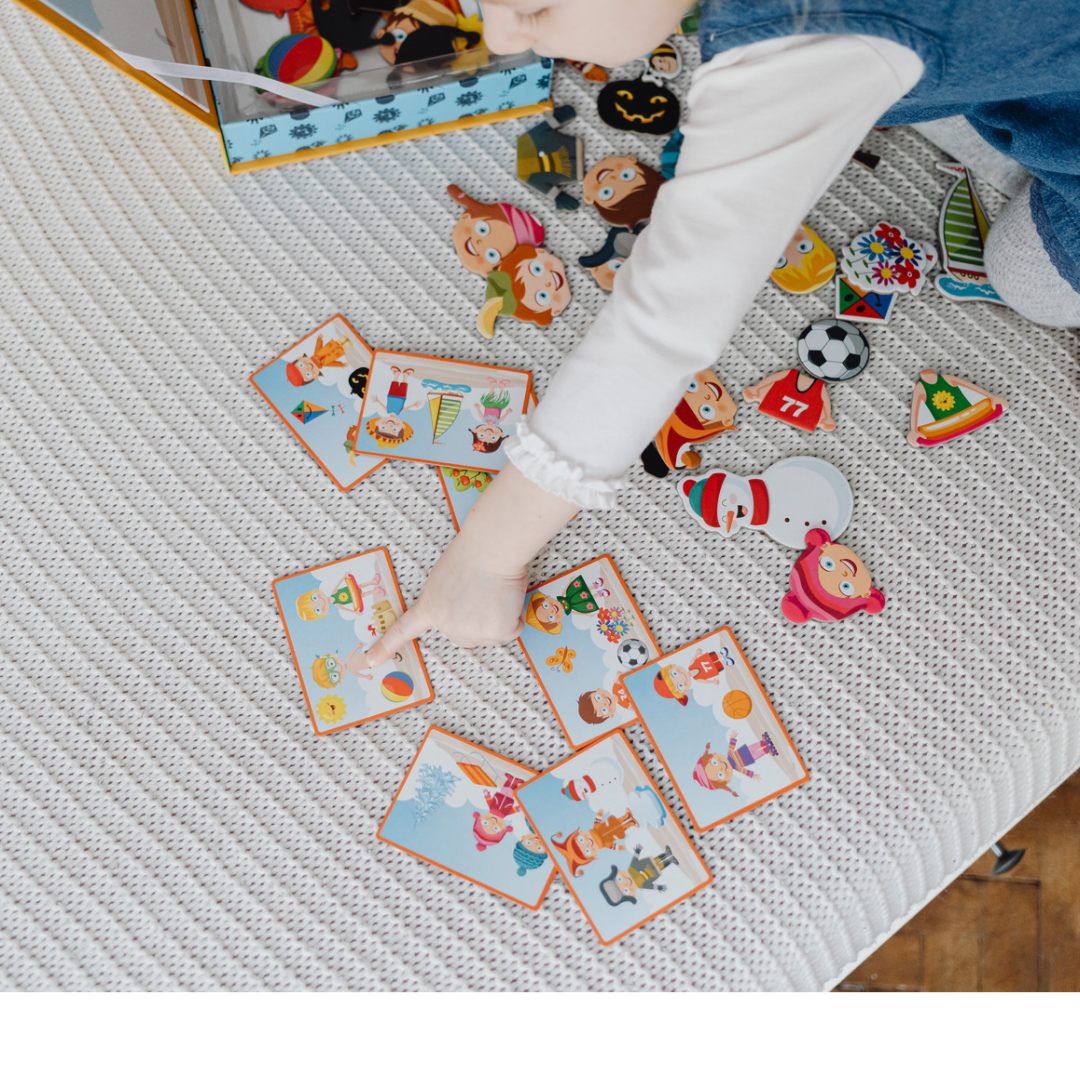
Matching games are a great way to build memory and concentration while keeping playtime enjoyable. You can make your own matching cards using drawings or printed pictures of animals, shapes, colors, or familiar household objects.
Encourage your toddler to look carefully and find the pairs that match. There’s no need to focus on getting every answer right, what matters most is having fun and exploring together.
These activities help strengthen memory, attention, visual recognition, and early problem-solving skills in a relaxed and playful way.
Scavenger Hunts
Toddlers are naturally curious, which makes scavenger hunts an exciting way to learn. Turn everyday surroundings into an adventure by asking your child to find simple things like:
- Something soft
- Something red
- Something round
- Something tiny
As they search and discover, toddlers build vocabulary, observation skills, and critical thinking abilities. Scavenger hunts also encourage movement and help children explore their environment with curiosity and confidence.
Counting During Everyday Activities
Learning numbers doesn’t need to involve worksheets or structured lessons. In fact, some of the best learning opportunities happen naturally throughout the day.
You can count together while:
- Walking up the stairs
- Sharing a snack
- Building with blocks
- Cleaning up toys
These everyday moments help toddlers see that numbers are part of daily life. Because the learning feels natural and meaningful, children often develop early counting skills without even realizing they’re learning.
Learning Through Play Matters
For toddlers, play is one of the most powerful ways to learn. Simple activities like sorting, matching, counting, and exploring help build important skills while keeping learning fun and engaging.
The goal isn’t to create perfect lessons or achieve academic milestones early. Instead, it’s about providing opportunities for your child to explore, experiment, and discover the world around them. Through playful experiences and everyday interactions, toddlers build confidence, curiosity, and a lifelong love of learning.
Healthy Toddler Activities That Build Connection
Many parents feel pressure to plan big activities or keep toddlers constantly entertained. But honestly, toddlers usually care most about simple moments spent together. Some of the healthiest and most meaningful activities happen during everyday routines at home.
Nature Walks
Step outside and let your toddler explore the world at their own pace. You don’t need a perfect park or a big outing to make it special.
Pick up leaves, watch tiny ants crawl, point at clouds, or collect little rocks along the way. Nature has a calming effect on both children and parents, and even a short walk can help reset everyone’s mood.
Cooking Together
Toddlers love feeling helpful in the kitchen. Simple little tasks can make them feel included and proud.
They can help:
- Wash vegetables
- Stir batter
- Pour ingredients
- Sprinkle cheese
Cooking together builds confidence, independence, and sensory learning in such a natural way. Yes, it may take a little longer and create a bit more mess, but the memories and bonding moments are truly worth it.
Yoga for Toddlers
Toddler yoga is a gentle way to help little ones move their bodies and release extra energy. Simple stretches and playful animal poses can also help calm big emotions during difficult afternoons.
Try easy poses like:
- Cat pose
- Butterfly pose
- Tree pose
- Downward dog
Even a few quiet minutes of stretching together can bring comfort, laughter, and calm to the day.
Toddler Activities Without TV for Independent Play
Many parents worry when their toddler doesn’t want to play alone for very long. But independent play is something children learn slowly over time. It doesn’t happen overnight, and that’s completely normal. The key is to start small, keep expectations realistic, and gently encourage curiosity.
Create a Simple Activity Rotation
Instead of keeping every toy out all the time, try rotating a few toys or activities each week. When toddlers see something they haven’t played with in a while, it suddenly feels exciting and new again.
This simple change often helps children stay focused and engaged for longer periods without needing screens or constant entertainment.
Use Invitation-to-Play Setups
A simple setup can make a huge difference in encouraging independent play. Before your toddler wakes up or after snack time, place out an easy activity they can explore on their own.
Some simple ideas include:
- Blocks on a tray
- Stickers and paper
- Toy animals with sensory rice
- Magnets on the fridge
Toddlers are naturally curious, and even small setups can spark excitement and creativity right away.
Let Boredom Exist Sometimes
As parents, it’s easy to feel like we always need to keep our toddlers busy. But moments of boredom can actually be healthy and important.
When children aren’t constantly entertained, they often begin creating their own games, stories, and ideas. That’s where imagination really starts to grow.
So if your toddler says, “I’m boooored,” don’t panic right away. Sometimes the best play begins exactly there.
Screen Free Play Ideas for Kids That Grow With Them
One of the best things about screen free play ideas for kids is that they continue growing with your child over time. The simple activities your toddler enjoys today can slowly turn into bigger, more creative forms of play as they get older.
A child who stacks blocks today may build pretend cities and stories tomorrow. A toddler who enjoys coloring may later create crafts, drawings, and imaginative projects of their own.
Simple screen-free activities help build important life skills like:
- Creativity
- Focus
- Communication
- Confidence
- Emotional resilience
But beyond all the learning and development, screen-free play creates something even more valuable, connection.
Not perfect parenting.
Not spotless homes.
Not carefully planned activities every single day.
Just small, real moments of laughter, imagination, cuddles, and togetherness that children carry with them for years.
Gentle Tips for Parents Trying to Reduce Screen Time
If you’re hoping to reduce screen time at home, try to approach the process with patience and flexibility. You don’t need to change everything overnight. Small, realistic adjustments are often easier for both parents and toddlers to accept and maintain over time.
Start With Small Changes
Creating healthier screen habits doesn’t mean eliminating screens completely. Even a few simple changes can have a positive impact.
You might try:
- Having one screen-free morning each week
- Keeping family meals free from TVs and devices
- Encouraging outdoor play before turning on cartoons
These small steps can feel much more manageable and help establish routines that are sustainable in the long run.
Don’t Aim for Perfection
Parenting is challenging, and some days are simply harder than others. Toddlers get sick, sleep can be disrupted, work piles up, and parents become tired too.
Using screens occasionally doesn’t make you a bad parent. It doesn’t erase the countless ways you support, nurture, and care for your child every day.
The goal isn’t perfection, it’s finding a healthy balance that works for your family.
Focus on Connection, Not Perfection
Years from now, your toddler probably won’t remember whether every day was filled with educational activities or perfectly planned routines.
What they’ll remember are the moments of connection they shared with you, such as:
- Laughing together
- Reading favorite stories
- Building blanket forts
- Dancing around the kitchen
- Feeling loved, safe, and supported
These everyday moments often have a much greater impact than doing everything perfectly.
Easy Daily Screen-Free Routine Ideas
Toddlers often thrive when they have a gentle, predictable rhythm to their day. A simple routine can naturally reduce screen time while helping children feel secure and engaged.
Morning
- Enjoy breakfast together
- Listen to music and dance
- Explore sensory play, coloring, or simple crafts
Midday
- Take a walk outside
- Share lunch together
- Enjoy a nap or quiet reading time
Afternoon
- Play with water outdoors or at the sink
- Encourage pretend play
- Sit down for a snack together
Evening
- Eat dinner as a family
- Work on puzzles or read books
- Follow a calm bedtime routine
Remember, routines don’t need to be strict. Even loose patterns throughout the day can help toddlers feel more settled and interested in screen-free activities.
When You Need a Quick Reset
Every parent faces challenging moments. Toddlers can become tired, frustrated, restless, or overwhelmed, especially during long days at home.
When emotions start running high, a simple reset can often help.
You might try:
- Stepping outside together for a few minutes
- Playing soft, calming music
- Letting your child splash and play with water in the sink
- Reading a favorite book
- Offering a snack and a cuddle
Sometimes what children need most isn’t distraction, it’s connection. And sometimes parents need a little kindness toward themselves as well.
Hard days are a normal part of parenting. Give yourself grace, celebrate the small wins, and remember that showing up with love each day matters far more than getting everything right.
Frequently Asked Questions
1. Why are screen-free activities important for toddlers?
Screen-free activities help toddlers build creativity, communication, focus, motor skills, and emotional connection through hands-on play and real-world experiences.
2. What are some easy screen-free toddler activities at home?
Sensory bins, water play, dance parties, pretend play, obstacle courses, and coloring activities are simple screen-free activities toddlers enjoy at home.
3. How can I reduce my toddler’s screen time?
Start with small changes like creating screen-free routines, encouraging independent play, spending more time outdoors, and offering simple hands-on activities.
4. Can toddlers learn without screens?
Yes, toddlers learn best through play, movement, conversation, imagination, and everyday experiences with parents and caregivers.
5. What are healthy alternatives to screen time for toddlers?
Reading books, building forts, cooking together, puzzles, sensory play, nature walks, and creative pretend play are healthy alternatives to screen time.
Final Thoughts on Screen Free Toddler Activities
If you’ve been feeling pressure to entertain your toddler perfectly every day, take a deep breath. Childhood does not need to look picture-perfect to be meaningful.
The truth is, the best screen free toddler activities are often the simplest ones, pouring water, building forts, dancing barefoot in the living room, or reading the same book for the hundredth time.
These small moments build trust, imagination, confidence, and connection in ways screens simply cannot replace.
And if some days are messy, loud, imperfect, or filled with extra cartoons? You are still doing an amazing job.
Your toddler does not need perfection.
They need love, warmth, patience, and presence.
And that alone is already enough.
If you enjoyed these simple activity ideas and want more gentle parenting tips, toddler routines, and family-friendly advice, totadvice. for more helpful inspiration created with parents in mind.