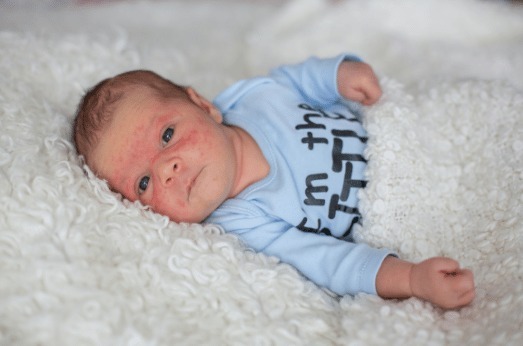
Becoming a parent can make you notice every tiny change in your baby’s body. During a diaper change or after a bath, you may suddenly see pink, purple, or bluish patterns across your baby’s skin that look almost like delicate lace.
It can be alarming, especially if you have never seen it before. Fortunately, mottled skin in babies is often temporary and harmless. Newborns are still learning how to regulate their body temperature and blood flow, so changes in skin color are common during the first few months of life.
However, persistent mottling or skin discoloration accompanied by other symptoms may require medical attention. This guide explains what mottled skin in babies looks like, why it happens, how to help your little one at home, and when to contact your pediatrician, why it happens, how to help your baby at home, and when to contact a healthcare professional.
Keeping your baby comfortably dressed, dry after baths, and protected from cold drafts is an important part of everyday care. Read our essential newborn care tips
What Does Mottled Skin Look Like?
Mottled skin usually appears as an uneven, marbled pattern across the body. Parents may describe it as:
- A lace-like or web-like pattern
- Pink and pale patches mixed together
- Purple or bluish marbling on the arms or legs
- Uneven coloring that appears and disappears
- Skin discoloration that becomes more noticeable when the baby is cold
The pattern commonly appears on the arms, legs, hands, or feet, although it may sometimes cover a larger area of the body.
When the mottling is caused by cold, it often fades after the baby is gently warmed. However, persistent mottling or discoloration in a baby who appears unwell requires prompt medical advice.
Baby’s Skin Is Mottled: Common Causes
The most common reason for mottled skin in a baby is an immature circulatory system.
Before birth, your baby lived in a warm and carefully regulated environment. After delivery, their blood vessels must adjust to changes in temperature and surroundings. Because those tiny blood vessels are still developing, they may not widen and narrow evenly.
This temporary change in blood flow can create a marbled or blotchy appearance on the skin. As your baby’s circulation matures, the mottling usually becomes less noticeable.
The Most Common Cause: Cutis Marmorata
Cutis marmorata is the medical term commonly used for temporary, temperature-related mottling in babies.
Although the name may sound concerning, cutis marmorata is usually a normal response to cold temperatures. It is particularly common in newborns, young infants, and babies born prematurely.
Signs of Cutis Marmorata
Cutis marmorata usually:
- Appears when the baby is cold
- Creates a pink, red, or purple lacy pattern
- Improves after the baby warms up
- Does not affect feeding
- Does not cause breathing problems
- Occurs while the baby otherwise seems alert and comfortable
Parents often notice it after a bath, during a diaper change, while getting the baby dressed, or when the room is slightly chilly.
Newborn Skin Color Changes Are Common
A newborn’s skin can change color frequently during the first few weeks of life.
You may notice that your baby’s skin looks:
- Red after crying
- Pale while sleeping
- Hands and feet may sometimes look bluish when a newborn is cold, but blue or grey lips, tongue, face, or central body color requires urgent medical attention.
- Slightly yellow with newborn jaundice
- Mottled when exposed to cold air
Many of these changes occur because the baby’s circulation and temperature-control systems are still developing.
Although temporary color changes can be normal, blue lips, a blue tongue, persistent paleness, or widespread discoloration should always be taken seriously.
Why Cold Temperatures Cause Mottled Skin
Babies lose body heat more quickly than adults. When your baby becomes cold, blood vessels near the surface of the skin narrow to help conserve warmth.
Because a newborn’s circulation is not yet fully developed, this narrowing may occur unevenly and create a lace-like pattern.
If your baby’s skin is mottled after a bath, diaper change, or exposure to a cool room, cold temperature may be the most likely cause.
You may notice mottled skin after:
- Bath time
- A diaper change
- Changing clothes
- Spending time in an air-conditioned room
- Being exposed to cool morning or nighttime temperatures
Gently warming your baby often helps the skin return to its usual color within a short time.
Other Causes of Mottled Skin in Babies
Although cold temperatures and immature circulation are the most common causes, mottled skin may sometimes occur for other reasons.
1. Immature Circulation
A baby’s blood vessels are still learning how to regulate blood flow efficiently. This is especially common during the newborn stage.
2. Feeling Cold
Cold is one of the most frequent triggers. If the pattern disappears after your baby warms up, it is usually reassuring.
3. Premature Birth
Premature babies may show more noticeable mottling because their skin is thinner and their circulatory system is less mature.
Mottling may be more noticeable in some premature babies, whose skin and temperature regulation are still developing.
4. Fever or Illness
Mottled skin can occasionally appear when a baby is unwell. Contact a healthcare professional promptly if the discoloration occurs with:
- Fever
- Poor feeding
- Unusual sleepiness
- Irritability
- Difficulty breathing
- Fewer wet diapers
- A baby who seems weak or difficult to wake
5. Circulation or Medical Problems
Persistent mottling may rarely be associated with an infection, circulation problem, heart condition, or another underlying medical issue.
These causes are much less common than temperature-related mottling, but they should be considered when the discoloration does not improve or the baby appears unwell.
How to Help Your Baby at Home
If your baby seems well and the mottling appears after exposure to cold, you can usually begin by warming them gently.
When your baby’s skin is mottled but they are feeding, breathing, and behaving normally, gently warming them is usually the first step.
Try the following:
- Dress your baby in a comfortable additional layer
- Hold your baby skin-to-skin
- Move them away from cold drafts or air conditioning
- Dry them thoroughly after a bath
- Keep the room at a comfortable temperature
- Check whether the skin returns to its usual color after warming
Avoid using heating pads, hot-water bottles, or direct heat sources, as these can burn a baby’s sensitive skin.
When Mottled Skin Is Usually Reassuring
Mottled skin is often less concerning when:
- It appears after your baby becomes cold
- It fades after warming
- Your baby wakes normally for feeds
- Feeding remains normal
- Your baby is gaining weight
- Breathing appears comfortable
- There is no fever
- The lips and tongue remain pink
- Your baby is active and responsive when awake
Improvement after warming is reassuring, but it does not replace assessment of your baby’s breathing, feeding, alertness, temperature, and overall behavior.
These signs suggest that the color change may be related to normal circulation development.
Normal feeding, regular wet diapers, comfortable breathing, and steady weight gain are some reassuring signs your baby is healthy
When Mottled or Purple Skin Needs Urgent Medical Attention
Seek urgent medical care if your baby has mottled, blue, or purple skin together with:
- Blue lips or tongue
- Difficulty breathing
- Fast, labored, or unusual breathing
- Limpness or weakness
- Extreme sleepiness or difficulty waking
- Very poor feeding
- Persistent vomiting
- Skin that remains purple after warming
- A body that feels unusually cold
- A rectal temperature of 100.4°F (38°C) or higher in a baby younger than 3 months requires prompt medical evaluation.
- A sudden change in behavior or responsiveness
Do not wait for the discoloration to improve if your baby is struggling to breathe, has blue lips or tongue, becomes limp, or is difficult to wake.
When Mottled Skin Is Usually Reassuring
In many healthy newborns, temporary mottled skin is simply a normal response to cold or an immature circulatory system. You can usually feel reassured if:
- The mottling fades after your baby warms up.
- Your baby is feeding well.
- They wake normally for feeds.
- Their lips and tongue remain pink.
- They are alert and active when awake.
- Breathing appears comfortable.
- There is no fever or other signs of illness.
- Your baby is gaining weight as expected.
These signs suggest that the color change is most likely part of your baby’s normal development rather than a serious medical problem.
Frequently Asked Questions
Is mottled skin normal in newborns?
Temporary mottling is common in newborns because their circulation and temperature-control systems are still developing. It is usually reassuring when it appears during cold exposure and disappears after warming.
How long does mottled skin last in babies?
The visible pattern may fade within minutes after the baby becomes warm. Some babies continue to experience occasional mottling during the first few months as their circulation matures.
Does mottled skin always mean my baby is cold?
No. Cold is the most common trigger, but mottled skin may also appear during illness or because of another medical condition. Persistent mottling or discoloration accompanied by other symptoms should be evaluated.
Can mottled skin be a sign of illness?
Yes, occasionally. Mottling may occur with fever, infection, breathing problems, poor circulation, or another illness. Your baby’s behavior, feeding, breathing, temperature, and responsiveness are important clues.
Should I Call a Doctor If My Baby’s Skin Is Mottled?
Contact your pediatrician if the discoloration does not fade after warming, occurs repeatedly without an obvious reason, or appears with poor feeding, fever, unusual sleepiness, breathing difficulties, or blue lips or tongue.
Final Thoughts
Seeing your baby’s skin become mottled can be frightening, but in many cases, the marbled pattern is simply a temporary response to cold temperatures and developing circulation.
Warm your baby gently and observe whether the skin returns to its normal color. If your baby is feeding well, breathing comfortably, alert when awake, and otherwise behaving normally, the mottling is often harmless.
However, persistent discoloration or mottled skin accompanied by breathing problems, blue lips, fever, poor feeding, weakness, or unusual sleepiness requires prompt medical attention.
Although it can look frightening when your baby’s skin is mottled, the pattern is often caused by cold temperatures and developing circulation.
Trust your instincts. You know your baby best, and it is always appropriate to contact your pediatrician when something does not feel right.
Looking for more trusted parenting tips and practical baby-care guidance? Visit Tot Advice to explore helpful resources designed to support you through every stage of parenthood.
Medical Disclaimer: This article is for general informational purposes only and is not a substitute for professional medical advice, diagnosis, or treatment. If you are concerned about your baby’s skin color, temperature, feeding, breathing, or overall behavior, contact your pediatrician or seek medical care promptly.
Resources