
An ordinary winter morning can become a struggle surprisingly quickly. You have the shoes ready, the bag packed, and somewhere to be, but your toddler refuses winter clothes. The coat comes off, the hat lands on the floor, and suddenly you’re wondering how to get everyone outside without tears.
It can feel especially frustrating when you’re trying to keep your child comfortable and safe. Still, a refusal can give you useful information. The coat might feel stiff, the jumper could be itchy, or your little one may simply hate stopping their play.
Let’s look at what might be making winter dressing difficult and how to make it easier, one small step at a time.
Why Your Toddler Refuses Winter Clothes
Before trying to persuade your child, take a moment to investigate. Different problems need different solutions, and a firmer instruction won’t fix a scratchy collar.
The clothing feels uncomfortable
Winter outfits introduce sensations your toddler may not enjoy: thick sleeves, tight cuffs, rough wool, noisy waterproof fabric, or several layers pressing together.
Children with touch sensitivities can find clothing seams, labels, and textures particularly uncomfortable. Your child’s preferences matter: one may dislike a firm cuff, while another finds loose fabric brushing the skin uncomfortable.
Notice which item causes the strongest reaction. A child who happily wears a sweatshirt but immediately removes a particular coat may be telling you something about that garment.
They feel too warm indoors
Your toddler might already be comfortable in a heated room. Adding a jumper, coat, hat, and mittens before you finish getting ready can make them uncomfortable.
Try preparing your own things first and leaving the outer layers until close to departure. Once you’re indoors again, remove unnecessary layers rather than expecting your child to stay bundled up.
Getting dressed interrupts something enjoyable
Sometimes the coat becomes the focus of a bigger disappointment: playtime is ending.
Your toddler may not be thinking about the weather at all. They may be thinking about the unfinished tower or the toy they just found.
A short warning can help: “One more block, then we put our coats on.” Make the ending clear and give yourself enough time to follow through calmly.
If your toddler also finds it hard to leave the park or move from playtime to meals, our guide to making toddler transitions easier offers more gentle ways to prepare them for everyday changes. Small, familiar cues can be part of your getting-ready routine too.
They want to participate
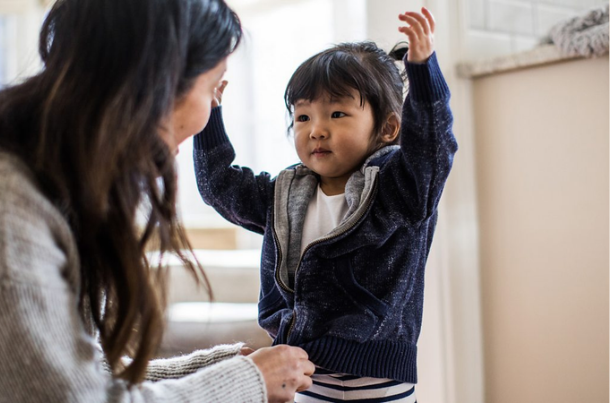
Toddlers often want a say in what happens to their bodies. Having someone quickly push their arms into sleeves can feel frustrating, particularly when they wanted to try themselves.
Offer a manageable part of the task. They might choose between two suitable hats, find a sleeve opening, or pull the zip upward after you connect it.
You still decide what protection the weather requires, while giving them room to help.
Start With a Comfort Check
Check the outfit before assuming the refusal is about behavior.
Look at how the clothes fit together. A perfectly comfortable shirt may bunch up under a narrow coat sleeve. Thick socks may make previously comfortable boots feel tight.
Ask simple questions when your toddler can answer:
- “Does your neck feel scratchy?”
- “Are your sleeves stuck?”
- “Does your hat squeeze?”
If they cannot explain, watch where they pull, rub, or resist. Check inside the garment for raised seams, labels, stiff linings, and anything pressing against the skin.
Also inspect exposed skin. Persistent itching, pain, or a rash deserves attention rather than repeated attempts to get the same outfit on.
Gentle Ways to Make Winter Dressing Easier
Winter dressing can feel like a big task when your toddler wriggles away from a sweater or refuses to wear a coat. Extra layers may feel unfamiliar, and getting dressed can interrupt something your child would much rather be doing. A little preparation and patience can help make the routine more comfortable.
1. Offer two weather-appropriate choices
Instead of asking, “Do you want your coat?” try, “Would you like the blue coat or the green coat?”
Only offer choices that work for the conditions. If one option won’t keep your toddler adequately protected, keep it out of the choice.
If choosing becomes overwhelming, you can decide gently: “I’ll choose the blue one today. You can help me find your sleeves.”
2. Use a familiar dressing order
A simple sequence can make the process more predictable.
For example: toilet or nappy change, everyday clothes, shoes, then outerwear near the door.
Use the same short phrases as you move through it: “Shoes first, coat next.” You don’t need an elaborate chart, although a few pictures may be worth trying if your child enjoys them.
Keep the routine flexible enough to fit the day. The aim is familiarity, not another rule to argue about.
3. Practice when there is no rush
Trying a new winter coat for the first time five minutes before childcare can be difficult for everyone.
Introduce it during a calm moment. Let your toddler touch the lining, find the pockets, or try one arm before putting it on fully.
Keep accepted clothing available while offering short, low-pressure opportunities to try something new.
If the garment causes distress, stop and check why. Practice should help you understand the difficulty, rather than make your child endure something painful.
4. Choose manageable layers
Several appropriately chosen layers can give you flexibility as temperatures and activity levels change.
Several thin layers can help you adjust warmth. One extra layer compared with a comfortably dressed adult in the same conditions can be a starting point for young children, but it is not a precise rule or a substitute for checking your child.
Adjust for the actual weather, wind, wetness, activity, and your child’s comfort. Don’t assume one fixed number of layers works everywhere.
For toddlers who dislike bulk, compare how different combinations feel. Check that the outer layer still allows easy movement.
5. Try a brief, playful invitation
Some children enjoy finding their hands at the end of a sleeve or helping a teddy get ready first.
You might say, “Can your hand find the tunnel?” Then pause and let them try.
Keep it light. If your toddler becomes more frustrated, return to a straightforward instruction. You don’t have to perform a game every morning to be a patient parent.
6. Give practical help without rushing their body
Let your toddler sit securely if balancing makes dressing harder. Hold the coat steady and straighten bunched sleeves before continuing.
Explain what you’re doing: “Your sleeve is twisted. I’m going to loosen it.”
Small pauses can prevent the uncomfortable tugging that makes the next attempt harder. If your child needs help, provide it calmly while continuing to pay attention to signs of pain or distress.
7. Acknowledge feelings and keep the safety limit clear
You can understand your child’s dislike without making warmth optional in unsafe conditions.
Try: “You don’t like this coat. We need warm clothes outside. Let’s try the other one.”
If neither option works and the outing is optional, postpone it while you find a better solution. For a necessary trip, plan suitable alternatives and safe transport in advance where possible.
Keep explanations short. An upset toddler may find a clear next step easier to follow than a long discussion about temperature.
8. Notice what helped
After a smoother morning, make a mental note of the difference.
Was the softer jumper better? Did putting the coat on last help? Were the boots easier with different socks?
You can also acknowledge your toddler’s effort: “You put your arms in while I held your coat.”
Progress might mean a shorter struggle or one item becoming easier. It doesn’t have to mean immediate, cheerful cooperation.
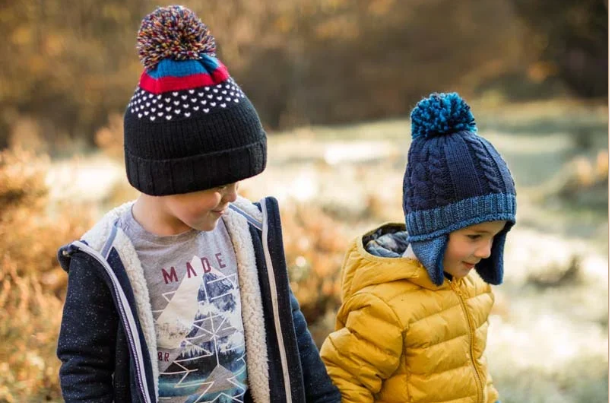
What If Your Toddler Refuses Hats, Mittens, or Boots?
You’ve finally managed to get your toddler into their winter clothes, and then the hat comes straight off. The mittens land on the floor, and the boots become a firm “no.” It can feel frustrating, especially when you’re trying to get out the door.
When the hat keeps coming off
Check whether the hat slips over their eyes, squeezes, feels itchy, or makes their head too warm.
Try a different material or shape during a calm moment. A suitable hood may be an option in some conditions if it fits safely and doesn’t obstruct vision.
Avoid loose cords, drawstrings near the neck, or long scarf ends that could catch during play. Do not tie clothing or accessories on to prevent your child removing them.
When mittens are the problem
Check the fit and the inside seams. Make sure your toddler’s fingers aren’t caught or folded awkwardly.
You might offer mittens shortly before going out rather than while they’re still trying to play indoors. If they become wet, replace them with a dry pair.
If adequate hand protection cannot be maintained in severe cold, shorten or postpone the outing rather than relying on your toddler to recognize the risk.
When boots cause tears
Check the whole combination: socks, boot lining, opening, and fastening.
A sock wrinkle or cramped toe area can make boots uncomfortable. Let your child walk a few steps during a try-on and watch for changes in movement.
Persistent pain or limping needs medical advice, even if it first appears during dressing. A child who suddenly cannot bear weight, has severe pain, or appears unwell needs urgent assessment.
Should You Let Your Toddler Go Outside Without a Coat?
Avoid using cold exposure as a lesson or punishment.
How much protection is needed depends on the conditions and the length of exposure. A mild, dry day is different from freezing temperatures, strong wind, or wet weather.
For optional outdoor play, stay inside until you have a workable clothing plan if adequate protection is unavailable. Warm, dry clothing and avoiding prolonged exposure to dangerous cold matter more than proving a point about the coat.
Your toddler’s refusal doesn’t transfer the safety decision to them. You can respect their discomfort while changing the plan.
A Quick Winter Outfit Check
Before leaving, check the whole outfit rather than each garment in isolation. Layers that feel fine separately may bunch or become restrictive together.
| Check | What to look for |
|---|---|
| Movement | Your toddler can sit, bend, and move their arms comfortably. |
| Hands and feet | Fingers and toes are not cramped by layers or tight fastenings. |
| Dryness | Socks, mittens, and inner layers are dry; spare items are available when needed. |
| Temperature | Your child is comfortable rather than sweating heavily or becoming very cold. |
| Journey | You have a safe plan for outdoor transfers and car-seat use. |
During outdoor time, keep checking comfort and change wet clothing promptly. A toddler may not describe numbness or cold clearly. Follow local weather warnings, and adjust plans for wind, wet conditions, length of exposure, and your child’s health rather than relying on temperature alone.
Winter Coats and Car Seats Need a Separate Plan
Bulky coats and snowsuits generally should not be worn beneath a car-seat harness. Their padding can compress during a crash, leaving the harness too loose.
Use thin layers beneath the harness. After securing your child correctly, you can place a coat or blanket over the buckled straps for warmth, keeping the face uncovered. Follow your car-seat manufacturer’s instructions, including the correct harness position and snugness. Do not add padding behind your child or between their body and the harness unless it is specifically approved for that seat.
Bring outerwear for the journey between the vehicle and your destination, and remove extra coverings as the car warms up.
If your toddler dislikes coats mainly in the car seat, check both comfort and the dressing plan rather than loosening the harness. Never leave your child alone in a vehicle while you prepare or warm it.
When to Seek Extra Help
Talk with your pediatrician if dressing regularly causes intense distress, limits necessary activities, or remains difficult despite changes in fabric and fit.
Mention pain, recurring rashes, widespread clothing sensitivities, or other developmental concerns. Clothing refusal alone does not establish a diagnosis.
Cold exposure also needs prompt attention. Pale, white, greyish, unusually firm, or numb skin after cold exposure may indicate frostbite. Bring your child inside, do not rub the affected area or apply direct heat, and seek urgent medical advice. Move indoors if your child becomes very cold or starts shivering. Unusual sleepiness, clumsiness, or slurred speech can signal hypothermia. If you suspect it, call local emergency services immediately. Move to shelter if you can do so safely, gently remove wet clothing, and wrap your child in dry layers while awaiting help. Do not use a hot bath, direct heat, or rub their arms and legs. Follow the emergency dispatcher’s instructions.
Frequently Asked Questions
Why does my toddler suddenly hate winter clothes?
Is refusing a coat a sign of sensory sensitivity?
What can I say when my toddler will not put on a coat?
Can I use layers instead of a thick coat?
What if nothing works before we need to leave?
Should I Put a Thick Coat Under the Car-Seat Harness for a Short Journey?
How Can I Tell Whether My Toddler Is Too Warm?
Are Mittens or Gloves Better for a Toddler?
Can I Let My Toddler Practice Winter Dressing Indoors?
Is There One Temperature Below Which Toddlers Must Stay Inside?
A Comforting Reminder for a Difficult Winter Morning
It can feel exhausting when you’re holding a coat, watching the clock, and trying to stay gentle through another round of tears.
Start with comfort, offer a small choice, and keep the safety boundary clear. You may need to try a different fabric, a different order, or a slower introduction.
Your toddler is still learning to communicate what feels wrong, and you’re learning how to help. A difficult morning doesn’t erase that care. With patience, practical adjustments, and support when needed, getting ready for winter can become easier for both of you.
For your next outing, choose one change to try: check the socks inside the boots, put the coat on last, or practice a sleeve during calm play. Keep observing your child’s comfort, and seek individualized help if dressing continues to prevent necessary daily activities.
For more gentle parenting tips and practical ideas to navigate everyday challenges, explore TotAdvice. Find encouragement for the difficult mornings and small steps you can try at your family’s pace.
Resources
American Academy of Pediatrics: Cold Weather Safety for Children
American Academy of Pediatrics: Winter Car Seat Safety Tips
Disclaimer
This article is for general educational and parenting information only and does not replace individualized medical, developmental, clothing-safety, weather-safety, or car-seat advice. Speak with your child’s pediatrician if winter dressing regularly causes intense distress, limits necessary activities, or occurs with persistent pain, recurring rashes, widespread clothing sensitivities, limping, or other developmental concerns. Follow local weather warnings and your car-seat manufacturer’s instructions. Seek urgent medical advice for suspected frostbite, and call local emergency services if you suspect hypothermia or your child becomes unusually sleepy, confused, clumsy, or seriously unwell after cold exposure.
About the Author
Geeta Yogi writes warm, practical parenting content about toddler routines, clothing comfort, sensory preferences, seasonal safety, child development, and everyday family challenges. She focuses on clear, supportive guidance that helps parents balance comfort, cooperation, and safety while recognizing when professional medical or developmental support may be helpful.