
If your pregnancy belly feels heavy, you may notice it most when getting out of bed, standing at the kitchen counter, or finishing a walk that used to feel easy. Sometimes it’s a dragging sensation beneath your bump. Other times, it feels like pressure low in your pelvis.
An unfamiliar feeling can quickly bring questions. Is this part of carrying a growing baby? Should you slow down? Does it mean labor is getting closer?
A growing bump can change how your body feels and moves, especially later in pregnancy. But heaviness is a description, not a diagnosis. Where you feel it, when it starts, and whether other symptoms come with it all matter.
Why Your Pregnancy Belly Feels Heavy
As pregnancy progresses, your uterus grows and your posture and movement may change. You may become more aware of the weight at the front of your body, particularly during everyday activities.
For a visual look at your baby’s development, explore our pregnancy fruit size chart by week. These comparisons offer a simple way to picture growth, but they cannot explain the cause of heaviness or replace your maternity team’s assessment.
However, people use “heavy” to describe different sensations: fullness, pressure, pulling, aching, or actual pain. Those differences help your maternity team understand what’s happening.
Start by putting the feeling into your own words. “My bump feels heavy after standing” tells a different story from “I suddenly feel strong downward pressure with cramps.”
You don’t need medical language to explain it clearly.
Your Growing Bump Changes Everyday Movement
Bending, turning, and standing may take more effort as your abdomen grows.
You might find yourself supporting your bump with a hand or looking for somewhere to sit halfway through a familiar task.
That change deserves practical adjustments. It doesn’t mean you need to push through discomfort to maintain your usual pace.
If the sensation is new, painful, worsening, or limiting ordinary activities, bring it up with your clinician.
Pelvic Girdle Pain May Be Involved
Heaviness accompanied by pain around the pubic bone, hips, groin, or lower back may need assessment for pregnancy-related pelvic girdle pain.
NHS guidance describes pain with walking, climbing stairs, turning in bed, or standing on one leg among possible symptoms. Physiotherapy can help assess and manage it.
Not everyone with a heavy-feeling bump has this condition. The location and triggers matter, so avoid diagnosing yourself from one symptom.
Digestive Discomfort Can Feel Like Fullness
Sometimes “heavy” means bloated or uncomfortably full rather than a downward pulling sensation.
Constipation and trapped wind can contribute to abdominal discomfort during pregnancy. Mild discomfort may improve after passing wind, opening your bowels, or changing position.
Persistent pain, vomiting, or a significant change shouldn’t automatically be attributed to digestion. Ask for advice if you’re unsure.
Pressure Can Change Later in Pregnancy
You may notice pressure lower in your pelvis as your baby’s position changes.
That feeling alone cannot confirm where your baby is positioned or predict when labor will begin. Your maternity team can assess it alongside other signs.
Before 37 weeks, new or increasing downward pelvic pressure needs immediate maternity advice, even if it is not painful. Cramps, a dull backache, frequent tightenings, discharge changes, or fluid leakage add concern, but you do not need to wait for several symptoms before calling.

Heaviness, Tightening, or Pain: What Are You Feeling?
These words can overlap, but describing the difference is useful.
Heaviness may feel like carrying a weight or needing more support beneath the bump. Tightening may feel like the abdomen becoming firm and then relaxing. Pain may be sharp, aching, burning, or difficult to ignore.
Notice whether the sensation stays constant or comes in episodes. Does it happen only with movement, or continue while you rest?
You don’t need to work out whether something is a contraction before calling. If you think labor may be starting or the pattern concerns you, contact your maternity team.
A Simple Guide to the Next Step
| What you notice | What to do |
|---|---|
| Mild, familiar heaviness during an activity, with no warning signs | Pause, adjust the task, and mention recurring symptoms to your maternity team. |
| Pain with stairs, dressing, walking, or turning in bed | Ask for assessment and advice about possible pelvic girdle pain. |
| New downward pressure before 37 weeks, or pressure with regular tightenings | Call your maternity team immediately. |
| Bleeding, suspected waters leaking, or reduced or changed movements | Contact maternity services immediately. |
| Severe pain with fainting, heavy bleeding, chest pain, or sudden breathing difficulty | Seek emergency care. |
These descriptions guide help-seeking; they do not identify the cause. If symptoms overlap or you cannot tell which applies, make the call and explain what you are feeling.
Gentle Ways to Feel More Comfortable
These suggestions may help with mild, manageable discomfort when no warning signs are present. If the discomfort starts suddenly, becomes severe, or feels unusual for you, contact your healthcare professional promptly. You don’t need to try every comfort measure before asking for help, and temporary relief should not be a reason to delay assessment.
1. Break Tasks Into Smaller Parts
Instead of standing through meal preparation, sit for some tasks and pause between others.
You could prepare ingredients at a table, ask someone else to carry shopping, or divide housework across the day.
Choose one adjustment that reduces strain before the activity becomes uncomfortable.
Resting briefly is different from prescribing yourself bed rest. If you feel unable to move normally, seek individualized advice.
For a busy day, plan breaks before you reach the point of pain. Ask whether work duties or caring tasks can be adjusted temporarily. A chair in the kitchen or help with an older child may be more useful than expecting yourself to manage the same workload at a different pace.
2. Adjust Walking to Your Comfort
Try a shorter distance, a slower pace, or a route with places to sit.
Adjust your pace to what feels manageable and wear supportive footwear. If walking repeatedly hurts, ask for an assessment rather than simply trying to walk through it.
Stop if walking brings on pain, new pressure, regular tightenings, dizziness, or other concerning symptoms. Don’t keep going simply because the distance used to feel manageable.
3. Avoid Movements That Clearly Trigger Pain
If standing on one leg hurts, sit while dressing. Keep frequently used items within easy reach to reduce repeated bending or awkward lifting.
For pelvic girdle pain, NHS guidance includes balancing activity with rest and avoiding movements that aggravate symptoms.
A physiotherapist can help you find ways to move comfortably without unnecessarily avoiding all activity.
Explain the specific task that is difficult. “Turning in bed hurts” gives them something practical to assess and demonstrate. Do not assume that general pregnancy exercise videos are the right approach for pain that needs an individual plan.
4. Try Support When Resting
A pillow beneath your bump or between your knees may make side-lying more comfortable.
From 28 weeks, go to sleep on your side, either left or right, including for naps. If you wake on your back, turn onto your side and settle again. You do not need to remain awake monitoring your position.
You don’t need a particular brand of pregnancy pillow. Use what supports you comfortably without forcing your body into an awkward position.
5. Ask Before Choosing a Support Belt
A belt may help some people, but different garments serve different purposes.
A maternity or pelvic-health physiotherapist can advise whether support is appropriate, where it should sit, and when to wear it. NHS guidance includes pelvic support belts as an option following assessment.
Avoid tightly binding your abdomen or using a belt to continue an activity that remains painful.
Ask how to tell whether the fit is right and when to remove it. If support causes pain, numbness, skin irritation, or extra pressure, stop using it and seek advice. A belt should be an optional part of an assessed plan, not a substitute for checking new symptoms.
6. Choose Clothing That Feels Comfortable
Check whether a waistband is pressing beneath your bump or a garment feels restrictive when you sit.
Try a different cut or fit if needed. Comfortable clothing won’t treat an underlying problem, but it can remove an additional source of pressure.
You don’t have to tolerate an outfit just because it still technically fits.
7. Ask for Practical Help
Be specific about what would make the day easier.
“Could you carry the laundry upstairs?”
“Can we take a shorter route today?”
“I need to sit while we prepare dinner.”
You don’t need to wait until you’re in significant pain to share the workload. Small changes can make everyday life more manageable while you arrange advice if needed.
What If Heaviness Feels More Like Bloating?
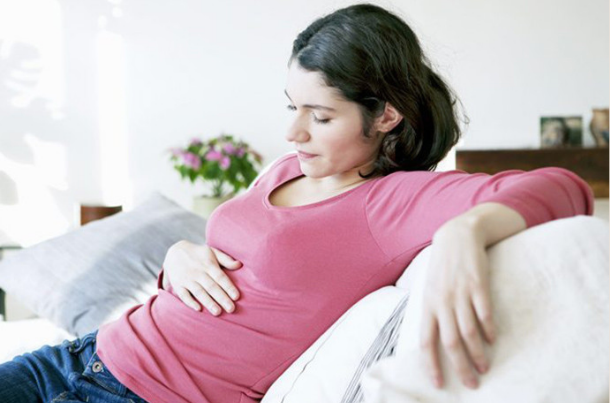
If you mean fullness after eating or difficulty opening your bowels, say that when asking for advice. Keep meals comfortable, drink regularly, and ask your midwife or pharmacist about pregnancy-appropriate constipation care if needed. Avoid starting laxatives, herbal remedies, or restrictive diets without checking suitability.
A digestive explanation is less reassuring when symptoms are severe, persistent, or accompanied by vomiting, fever, bleeding, or feeling unwell. Do not spend time trying several home remedies before calling about warning signs.
Does a Heavy-Feeling Bump Mean Labor Is Near?
Not necessarily.
Belly weight or low pressure alone cannot tell you when labor will start. Contractions, waters breaking, and other changes need to be considered in context.
NHS guidance recommends contacting your maternity team if you think you’re in labor and urgently if your waters break, you have vaginal bleeding, or labor may be starting before 37 weeks.
Follow the instructions your team has given for your pregnancy. Don’t wait for every possible sign before making the call.
When You Should Contact Your Maternity Team
Call promptly about new, persistent, or worsening pressure or pain, especially if it feels different from your usual discomfort.
Contact your maternity service urgently for:
- Vaginal bleeding or suspected leaking of amniotic fluid.
- Regular cramps or tightenings, especially before 37 weeks.
- Severe abdominal pain or pain that does not settle.
- Fever, feeling unwell, or pain when passing urine.
- Your baby moving less than usual, stopping, or showing a change from their usual pattern.
These symptoms need clinical advice rather than repeated home comfort measures. For reduced or changed movements, call immediately, even at night; do not wait until the next day or try a home Doppler, food, or drinks to reassure yourself.
If you cannot reach your usual maternity contact, use your local urgent-care route or go to hospital according to the severity of symptoms. Tell the service that you are pregnant and how many weeks along you are.
Severe headache, blurred vision or flashing lights, pain beneath the ribs, or sudden swelling of the face or hands also need immediate advice because they can be signs of pre-eclampsia.
Seek emergency care for severe pain with fainting, heavy bleeding, chest pain, or sudden breathing difficulty. Early in pregnancy, pain with shoulder-tip pain, bleeding, or dizziness also requires urgent assessment.
How to Explain the Feeling at an Appointment
A simple description can help your clinician decide what to check.
Tell them:
- How many weeks pregnant you are.
- Where you feel the heaviness.
- Whether it began suddenly or gradually.
- What makes it better or worse.
- Whether you have pain, tightenings, urinary symptoms, or discharge changes.
- Whether your baby’s movements seem usual.
For example: “I’m 29 weeks pregnant. I feel a dragging sensation beneath my bump after standing, and it improves when I sit. Walking upstairs also hurts near my pubic bone.”
You don’t need to keep a detailed symptom diary before asking for help. Call sooner if there are warning signs.
You can also ask: “What do you think is causing this?”, “Would a physiotherapy assessment help?”, and “Which changes mean I should call again?” If symptoms continue after an initially reassuring assessment, explain what has changed or what you are still unable to do. A clear follow-up plan can make everyday decisions easier.
Frequently Asked Questions
Why does my pregnant belly feel heavy?
Is a heavy belly during pregnancy always normal?
What if my belly feels heavy in the third trimester?
What should I do if my pregnant belly feels heavy when walking?
Can I exercise if my bump feels uncomfortable?
Does the feeling tell me how big my baby is?
Should I mention it if resting helps?
Does low pressure mean my baby has dropped?
Should I wait for painful contractions before calling?
Can I use a support belt without an assessment?
Final Thoughts
When your pregnancy belly feels heavy, ordinary tasks can ask more of you than they did a few weeks ago. It’s understandable to need a slower pace, a different position, or another pair of hands.
Make the adjustments that help you feel comfortable, and ask for assessment when symptoms persist or concern you. You don’t need to decide whether they’re “normal enough” on your own.
Your comfort matters throughout pregnancy. Take breaks when needed, accept practical support, and let your maternity team help you understand what you’re feeling.
For today, choose one manageable change and keep your maternity contact number nearby. Seek advice promptly for new or concerning symptoms, and call immediately for bleeding, suspected fluid leakage, reduced movements, or possible labor before 37 weeks.
For more practical pregnancy and parenting guidance, explore TotAdvice. Find ideas to make everyday life more manageable while keeping your maternity team involved in questions about your health.
Resources
American College of Obstetricians and Gynecologists: Preterm Labor and Birth
Royal College of Obstetricians and Gynaecologists: Pelvic Girdle Pain and Pregnancy
CDC: Urgent Maternal Warning Signs and Symptoms
Disclaimer
This article is for general educational and pregnancy information only and does not replace individualized maternity or medical advice. Contact your maternity team promptly about new, persistent, worsening, or unusual abdominal heaviness, pressure, or pain. Seek immediate maternity advice for vaginal bleeding, suspected leaking of amniotic fluid, reduced or changed baby movements, regular cramps or tightenings, or possible labor before 37 weeks. Severe headache, vision changes, pain beneath the ribs, or sudden swelling also need immediate assessment. Seek emergency care for severe pain with fainting, heavy bleeding, chest pain, or sudden breathing difficulty. Do not delay medical assessment while trying home remedies, support belts, food, drinks, or a home Doppler.