
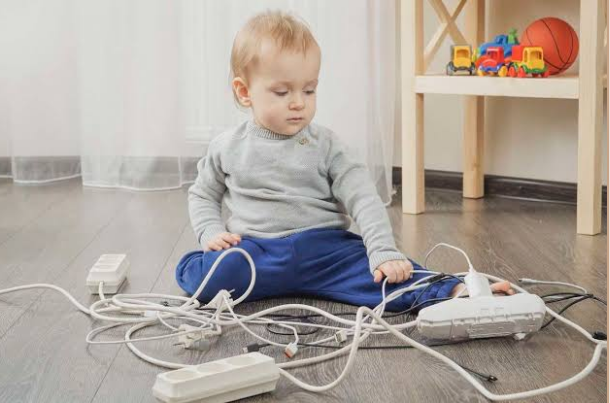
Toddler turning light switches on and off repeatedly? For adults, a light switch is an ordinary household control. For a curious toddler, it can feel like a fascinating experiment: they press something with one finger, and the entire room immediately changes.
While this behavior is often part of normal exploration, switches, outlets, cords, and electrical appliances can create real safety risks. That is why childproofing light switches and electrical areas should be part of making your home safer for a growing toddler.
Here is why toddlers become so interested in switches and what parents can do to encourage curiosity more safely.
Why Do Toddlers Keep Turning Light Switches On and Off?
Toddlers learn by touching, repeating, watching, and experimenting.
A light switch gives them an immediate result:
Press or flip the switch → the light changes.
Switch direction varies with the design and wiring, but the immediate result is what makes it interesting.
That simple cause-and-effect relationship can be extremely interesting to a young child.
Your toddler may repeat the action because they are:
- exploring cause and effect
- practicing finger and hand movements
- testing what happens when they repeat an action
- enjoying the sudden change between light and darkness
- copying what adults do
- looking for independence and control
A toddler who keeps returning to light switches is not necessarily being deliberately naughty. They may simply be exploring how their environment works.
The important part is making sure that curiosity happens without exposing them to electrical hazards.
The CDC includes trying switches, knobs, or buttons on a toy as a 2-year milestone. That supports giving toddlers suitable opportunities to explore mechanisms; it is not a recommendation to let them experiment with household electrical fittings.
Electrical Hazards Parents Should Look For
Before deciding how to childproof your home, look at each room from your toddler’s height.
Things that seem ordinary to adults may be very tempting to little hands.
Common electrical hazards can include:
- uncovered electrical outlets
- extension cords
- loose plugs
- reachable power strips
- appliance cords hanging from counters
- chargers left plugged in
- lamps with accessible cords
- switches connected to appliances
- electrical equipment placed within reach
Toddlers may pull cords, touch plugs, push objects toward outlets, or repeatedly operate switches without understanding the danger.
A quick room-by-room safety check can help you spot problems before your child does.
How to Childproof Light Switches and Electrical Areas
Start by checking electrical areas from your child’s height. Look for reachable switches, uncovered outlets, dangling charger cables, and power strips beside furniture. Children can reach new places as they grow, so revisit these checks when your little one starts crawling, standing, or climbing.
1. Keep Dangerous Electrical Items Out of Reach
One useful way to improve electrical safety for toddlers is to remove temptation wherever possible.
Keep chargers, small electrical appliances, power strips, and loose cords away from areas where your toddler regularly plays.
Kitchen appliances such as kettles, mixers, and toasters should also be positioned so children cannot pull their cords or reach their controls.
Whenever possible, unplug portable appliances when they are not being used and store them safely.
2. Choose Outlet Protection for Your Local Electrical System
Electrical outlets deserve attention because toddlers may push objects into openings or pull at plugs. Protection should match the outlet design and electrical standards where you live.
In the United States, the Consumer Product Safety Commission recommends suitable outlet covers or plates that children cannot easily remove and that cannot become choking hazards. It also recommends tamper-resistant receptacles when replacing outlets.
Do not assume that a removable plastic cap is suitable for every socket worldwide. Some systems have built-in shutters or other safety features, and an incompatible accessory may interfere with the fitting. Ask a qualified electrician about your specific outlets before choosing protection.
Depending on the installation, suitable options may include an appropriate protective plate, an enclosure for a plug in use, tamper-resistant receptacles, or a properly designed power-strip enclosure. Follow local advice and the manufacturer’s instructions. No accessory makes an outlet a toy or replaces supervision.
Do not remove faceplates, open outlets, or attempt electrical work as a childproofing project. Damaged, loose, or questionable fittings need professional assessment.
3. Consider Childproof Light Switch Covers
If your toddler repeatedly flips particular switches, a childproof light switch cover may help restrict access while still allowing adults to operate the switch when necessary.
This can be particularly helpful for switches controlling:
- appliances
- fans
- outdoor equipment
- garbage disposals
- electrical devices that children should not control
Ordinary room lights may not always need to be completely inaccessible, but potentially dangerous controls should be secured. A cover must not prevent adults from operating essential controls quickly or interfere with the switch’s safe use.
Check compatibility before fitting anything. Avoid homemade covers, loose adhesive parts, or alterations that expose wiring. If you cannot safely secure a control, restrict access to the area and ask a qualified professional about the appropriate solution.
4. Secure Loose Electrical Cords
Cords can become another source of fascination.
Keep cords:
- tucked behind furniture where appropriate
- secured against walls
- away from beds and cribs
- away from play areas
- out of reach near countertops
Avoid leaving long loops of cord hanging where a toddler can pull or become tangled.
Do not hide cables under rugs, pinch them in doors, or trap them behind furniture in a way that damages the insulation. Keep ventilation openings clear and avoid overloading outlets or linking power strips together. A cord-management arrangement should reduce access without creating overheating or damage.
If you use furniture to limit access, make sure the furniture itself is secure and cannot tip or become a climbing route.
5. Set Clear, Simple Rules
Toddlers understand short instructions better than long explanations.
Instead of repeatedly giving a detailed warning, try a simple phrase such as:
“Switches are for grown-ups.”
Or:
“We touch this switch together.”
Use the same wording consistently.
Toddlers may need to hear the rule many times before they remember it.
6. Teach Safe Switch Use When Appropriate
Not every interaction with a light switch has to be forbidden.
For an older toddler who can reach an intact, ordinary room-light switch safely under close supervision, you may choose to make it a small responsibility. Do not set up a chair, stool, or climbing route just to reach the switch.
For example:
“Can you turn the bathroom light on for me?”
Later:
“We’re leaving the room. Can you turn the light off?”
This gives you a clear beginning and ending for supervised use. It does not mean your toddler will reliably remember the rule when you are not beside them.
Always supervise and only allow access to controls that are safe for your child to operate.
7. Redirect Their Interest to Cause-and-Effect Toys
If your toddler loves switches, buttons, knobs, or levers, try giving them safer ways to explore the same concept.
Good alternatives may include:
- busy boards
- pop-up toys
- push-button toys
- activity cubes
- toy light switches
- cause-and-effect toys
- simple musical toys
- toys with knobs and doors
Choose toys labeled for your child’s age, with secure parts and battery compartments that children cannot open. Inspect them for damage. A toy switch should be part of an appropriate toy, not a household electrical fitting wired into a homemade activity.
A “busy board” label does not guarantee suitability. Check for small detachable pieces, cords, sharp hardware, pinch points, accessible batteries, and lights that are excessively bright or uncomfortable. Avoid homemade electrical boards or exposed components.
These activities can offer the satisfying experience of making something happen, while keeping real electrical equipment off-limits.
8. Create a Safe Exploration Area
Toddlers need places where they are allowed to touch and investigate things.
Creating a child-safe play area can reduce the constant need to say “no.”
You might include:
- stacking toys
- opening-and-closing activities
- sensory toys
- busy boards
- containers with lids
- blocks
- simple puzzles
Safe play options give you something concrete to offer when setting a boundary. They will not prevent every return to the switch, so keep the physical protections in place.
Choose containers and toys your toddler can manage without trapped fingers or loose parts. Stay nearby and supervise according to the activity; a childproofed area still needs an attentive caregiver.
9. Pay Extra Attention to High-Risk Rooms
Certain rooms require additional childproofing.
Kitchen
Keep appliance cords and electrical equipment away from countertop edges.
Bathroom
Water and electricity are a dangerous combination, so electrical appliances and cords should stay safely away from sinks, tubs, and curious children.
Bedroom
Check lamps, chargers, monitors, and cords near beds or cribs.
Living Room
Secure entertainment-system cords, power strips, lamps, and electronics that your toddler can reach.
Walking through these areas regularly can help you notice new hazards as your toddler becomes taller and more capable.
10. Update Childproofing as Your Toddler Grows
Childproofing is not something parents do only once.
A toddler who could not reach a switch last month may suddenly reach it this month by climbing onto furniture.
As your child’s abilities change, review your home again.
Look for:
- new climbing opportunities
- reachable cords
- accessible switches
- loose outlet covers
- newly accessible appliances
- furniture that allows children to reach electrical controls
Anticipating new skills can help you reduce hazards before your toddler discovers them. Recheck protectors and enclosures for looseness or damage rather than assuming the first setup will remain suitable.
Is Turning Light Switches On and Off a Developmental Behavior?
Repeatedly operating a switch can reflect several skills toddlers are developing.
They are learning that their actions can create predictable results, while also practicing hand-eye coordination and fine motor control.
The repetitive nature of the activity is also typical of toddler exploration. Young children often perform the same action many times because repetition helps them understand how things work.
However, developmental curiosity does not mean children should have unrestricted access to electrical controls.
Parents can acknowledge the interest while providing safer alternatives.
What If My Toddler Keeps Going Back to the Switch?
Consistency usually works better than turning the situation into a battle.
When your toddler reaches for a restricted switch:
- calmly stop the action
- use your usual short safety phrase
- move them away from the area
- offer a safe alternative with buttons, switches, or knobs
Try not to make the switch extremely exciting by giving a dramatic reaction every time.
The goal is to teach a predictable boundary while still giving your toddler appropriate ways to explore.
Your toddler may feel disappointed when you guide them away from the switch. Acknowledge that feeling while keeping the safety boundary clear: “You wanted to press it again. This switch is for grown-ups. Let’s try your toy buttons.” For more ideas on helping your child move from one activity to another, explore these gentle ways to make toddler transitions easier.
What If a Switch or Outlet Looks Damaged?
Stop using the fitting and keep your toddler away. A cracked faceplate, loose switch, exposed wiring, unusual heat, sparks, or a burning smell needs professional attention. Do not cover the problem with tape or a childproofing accessory.
If there is smoke, fire, or an immediate electrical danger, leave the area and call local emergency services. Do not throw water on electrical equipment. If someone may still be in contact with a live electrical source, do not touch them; call for emergency help and disconnect power only if you can do so safely.
If your child has received an electric shock or suffered an electrical injury, call local emergency services and follow their instructions, even if the visible injury seems small. Do not wait for collapse, breathing problems, or a large burn before seeking help.
Frequently Asked Questions
Why is my toddler obsessed with light switches? +
Is turning switches on and off normal for toddlers? +
How do I stop my toddler from playing with light switches? +
Should I let my toddler turn lights on and off? +
How can I baby proof electrical outlets? +
Are plastic socket covers suitable for every home? +
Can I make a homemade electrical busy board? +
Should I give my toddler a stool to reach the switch? +
Does repeating the action mean a developmental condition? +
Can a safety cover replace supervision? +
Final Thoughts
A toddler turning light switches on and off is usually driven by curiosity rather than misbehavior. They are discovering that a small action can produce a big and immediate result.
Instead of trying to stop that curiosity altogether, focus on making electrical areas safer, setting consistent boundaries, and providing safer opportunities to explore buttons, switches, knobs, and other cause-and-effect activities.
As your toddler becomes taller, stronger, and more adventurous, continue reassessing your home’s childproofing needs.
For today, check one room from your toddler’s height, secure a clear hazard, and choose one suitable cause-and-effect toy. For more practical play and everyday parenting ideas, explore Tales of Tots.
Resources
MedlinePlus: Electrical Injury
U.S. Consumer Product Safety Commission: Childproofing Your Home
Disclaimer
This article is for general educational and child-safety information only and does not replace individualized electrical, medical, or emergency advice. Electrical systems, outlet designs, and safety standards vary, so use childproofing products designed for your specific installation and consult a qualified electrician about damaged, loose, hot, sparking, or otherwise questionable electrical fittings. Do not remove faceplates, expose wiring, or attempt electrical repairs as a childproofing project. If your child receives an electric shock or suffers a suspected electrical injury, seek emergency medical guidance even when the visible injury appears small. If someone remains in contact with a live electrical source, do not touch them; call emergency services and disconnect the power only if you can do so safely.
About the Author
Geeta Yogi writes warm, practical parenting content about toddler development, childproofing, electrical safety, everyday play, home safety, and family routines. She focuses on clear, realistic guidance that helps parents support curiosity while creating safer spaces, setting manageable boundaries, and recognizing when professional or emergency help is needed.