As parents, one of the happiest moments is when we see our children growing, learning, and understanding the world around them. Their first steps, first words, every milestone is a magical journey in itself. But perhaps the most special journey children embark on is in their imagination.
Imagination is not just about play; it is a way for children to learn, understand emotions, and solve problems. Research has shown that imaginative play is crucial for children’s mental development. Whether building a fort from pillows or pretending to be a superhero on an adventurous mission, these “magical journeys” are not just fun but powerful experiences that shape your child’s future.
Why the Importance of Imagination in Childhood Matters for Every Parent
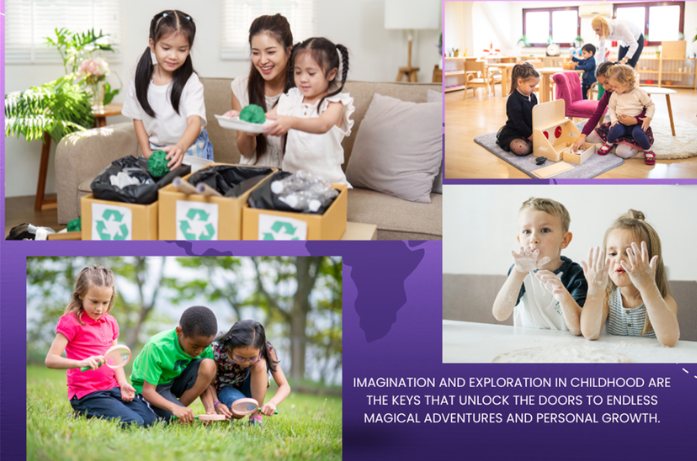
From a child’s point of view, the world is full of wonder. A simple box can become a spaceship, a blanket can turn into a magical castle, and every day feels like a new adventure waiting to unfold.
But imagination is not just about having fun, it quietly supports your child’s mental and emotional growth in powerful ways.
1. Builds Thinking and Problem-Solving Skills
When children engage in imaginative play, their minds are constantly at work. One moment they’re exploring space, the next they’re searching for hidden treasure.
In these little adventures, they’re learning how to think, make decisions, and solve problems on their own. This kind of play naturally strengthens their understanding and creativity without them even realizing it.
2. Helps Children Understand Their Emotions
Imagination also gives children a safe space to explore feelings. When they act out situations, like helping a friend or facing something scary, they begin to understand emotions better.
Over time, this helps them develop empathy, patience, and emotional awareness, which are essential as they grow.
3. Improves Social Skills
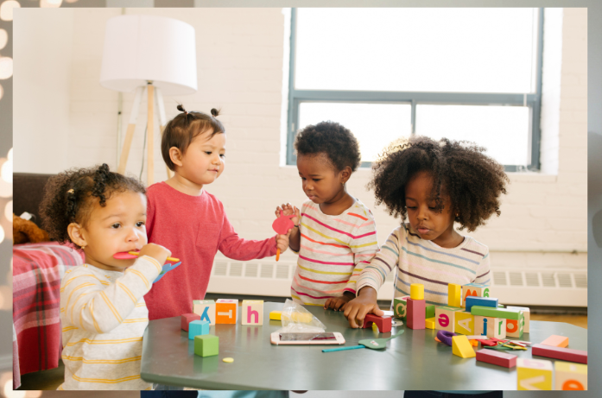
When children play with others, imagination becomes a shared experience. They learn how to take turns, listen, cooperate, and express their ideas.
These small interactions teach valuable social skills that help them build strong and healthy relationships in the future.
4. Boosts Confidence and Independence
Pretend play allows children to take the lead. They make choices, create stories, and explore different roles.
This freedom builds confidence and helps them trust their own abilities. Little by little, they learn that they are capable of handling new situations with courage.
How to Encourage Magical Adventures at Home
Watching your child get lost in their own little world of imagination is truly special. Those moments, when a simple toy becomes something magical, are more meaningful than they seem. As parents, we don’t need fancy toys or expensive setups to support this. Often, it’s the simplest things around the house that spark the biggest creativity.
Here are a few gentle and practical ways to nurture your child’s imagination:
1. Give Them Time to Play Freely
Children don’t always need structured activities. In fact, some of the best ideas come when they’re left to play on their own.
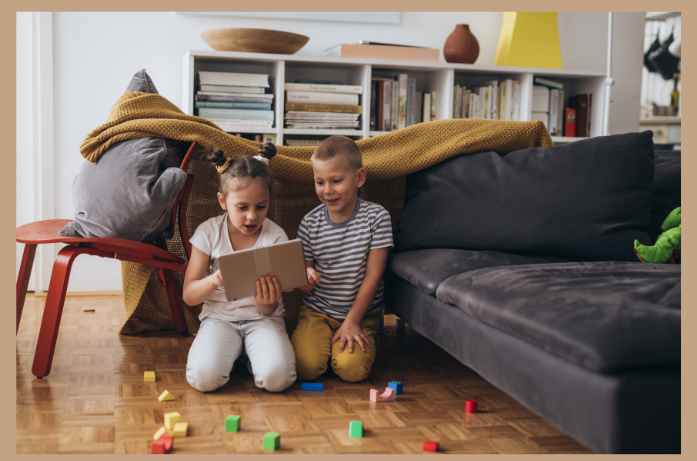
Try to give them time where they can explore, create, and imagine without rules. Whether it’s building something with cushions or making up their own stories, this free play helps their creativity grow naturally.
2. Step Into Their World
Every now and then, join your child in their imaginary adventures. Let them lead the story while you follow along.
You might be invited to a tea party, a jungle safari, or even a trip to space, and saying “yes” to these moments means a lot to them. It not only supports their imagination but also strengthens your bond in a beautiful way.
3. Show Creativity in Your Own Way
Children learn so much just by watching you. When they see you reading, storytelling, singing, or doing something creative, they feel inspired to try it themselves.
You don’t have to do anything big, just being playful and expressive in small ways can encourage them to explore their own ideas.
4. Make Learning Feel Like Play
You can gently turn everyday interests into fun learning experiences.
If your child loves animals, pretend you’re exploring a jungle together. If they’re curious about space, create a little “astronaut mission” at home. When learning feels like play, children stay curious and excited.
At the end of the day, imagination grows best in a space where children feel free, supported, and encouraged. And often, it’s not about doing more, it’s simply about being present in those little magical moments with them.
The Connection between Imagination and Mental Health
In today’s busy world, even children have packed schedules, school, homework, activities, and constant routines. In the middle of all this, simple playtime can easily get pushed aside.
But the truth is, play is not just a way to pass time. It’s something children truly need. When kids are given the space to imagine, create, and explore, it helps them slow down and just be themselves.
Imaginative play gives children a safe outlet for their feelings. Whether they’re pretending to be a superhero, acting out a story, or creating their own little world, they are actually processing emotions in a way that feels natural to them.
It helps release stress, brings joy, and allows them to express things they may not yet have words for.
In many ways, these small, playful moments support a child’s mental and emotional well-being more than we realize. They help children feel lighter, happier, and more balanced from within.
So even on the busiest days, giving your child a little time to play, imagine, and dream can make a big difference. Because sometimes, the simplest moments of play are what nurture the healthiest minds.
Creating a Safe and Fun Environment for Play
Imaginative play is full of magic, but as parents, we also want to make sure our children are safe while they explore and create. The good news is, you don’t need anything complicated. A few simple steps can turn your child’s playtime into a space that is both joyful and secure.
1. Choose Age-Appropriate Toys
Every child grows and learns at their own pace, so it’s important to pick toys and activities that match their age and abilities.
When toys are suitable for their stage, children can play more confidently and safely, without unnecessary risks. It also helps them enjoy playtime without frustration.
2. Stay Close and Keep an Eye
You don’t have to control their play, but being nearby makes a big difference.
Children often use everyday objects in their imagination, and gentle supervision ensures they stay safe while exploring. Plus, your presence gives them a sense of comfort and security.
3. Create a Cozy, Safe Play Area
Try to set up a space where your child can move freely and play without worry.
Soft mats, cushions, blankets, and a few simple props can turn any corner into a magical play zone. A safe and inviting environment allows children to fully enjoy their imagination without limits.
Frequently Asked Questions (FAQs)
1. Why is imagination important in childhood?
Imagination helps children understand the world around them. It supports emotional growth, improves problem-solving skills, and encourages creativity in a natural and enjoyable way.
2. How does imaginative play support mental development?
When children engage in pretend play, they think, explore ideas, and make decisions. This helps strengthen their cognitive abilities and builds confidence over time.
3. Can imaginative play help with emotional development?
Yes, very much. Through role-playing and storytelling, children learn to express their feelings and understand different emotions, which builds empathy and emotional awareness.
4. How much time should children spend in imaginative play?
There’s no fixed rule, but giving children daily unstructured playtime is important. Even 30–60 minutes of free play can make a big difference in their development.
5. Do children need toys for imaginative play?
Not necessarily. Simple things like pillows, boxes, blankets, or even everyday household items can spark creativity. Often, less structured materials encourage more imagination.
6. How can parents encourage imagination at home?
Parents can support imagination by giving children space to play freely, joining their pretend games occasionally, and encouraging storytelling, reading, and creative activities.
7. Is imaginative play important for social skills?
Yes. When children play with others, they learn to share, communicate, and cooperate. These experiences help them build strong social connections as they grow.
8. Can too much screen time affect imagination?
Excessive screen time can limit opportunities for creative thinking. Balancing screen use with active, imaginative play helps children develop better mentally and emotionally.
Conclusion: Embrace the Magic
Childhood is a time full of wonder, and so much of that magic begins with a child’s imagination. When children are encouraged to imagine, explore, and create, they’re not just playing, they’re building important life skills. From creativity and emotional understanding to confidence and connection, these small moments of play shape who they become.
Understanding the importance of imagination in childhood helps parents support their child’s emotional, social, and cognitive development in a natural and meaningful way.
Whether it’s turning your living room into an adventurous world or getting lost in the pages of a storybook, these experiences are more meaningful than they seem. They quietly support your child’s growth in ways that last a lifetime.
As parents and caregivers, we have the beautiful role of creating a space where children feel safe to dream, explore, and express themselves freely. When we support their imagination, we’re giving them the freedom to grow into curious, confident, and emotionally strong individuals.
Because in the end, the most magical journey isn’t just theirs, it’s watching their imagination come to life, right in front of you.
If you’d like more helpful parenting insights and gentle guidance, you can explore more here: totadvice
Resources Section
• The Role of Pretend Play in Children’s Cognitive Development (NIH)
• NAEYC – Learning Through Play Resources
• ZERO TO THREE – Play and Early Development