
Becoming a parent comes with so many beautiful moments, but it also brings questions, worries, and sleepless nights, especially when it comes to feeding your baby. If you’re searching for a simple and comforting formula feeding guide, please know this first: you are doing an amazing job. Whether you chose formula feeding from the beginning or it became part of your journey later, feeding your baby with love is what truly matters most.
Learning how to formula feed a baby can feel overwhelming at first, but with gentle guidance and a little practice, it soon becomes part of your daily rhythm. This guide is here to walk beside you like a caring mom friend who understands those late-night bottle feeds and worried first weeks.
Formula Feeding Guide: Everything New Parents Need to Know
Formula feeding is simply another safe and healthy way to nourish your baby. Infant formula is carefully designed to provide the nutrients babies need for healthy growth and development during their first year.
Some parents formula feed exclusively, while others choose breast milk and formula feeding together. Every family’s journey looks different, and that’s okay.
The most important thing is that your baby is fed, loved, comforted, and cared for.
During those early newborn days, it’s easy to question yourself constantly. You may wonder if your baby is eating enough, burping enough, or sleeping enough. Almost every new parent feels this way. Over time, you’ll begin understanding your baby’s little signals and feeding patterns more naturally.
Choosing the Right Formula for Your Baby
Walking into the baby aisle for the first time can feel incredibly confusing. There are so many cans, labels, and promises that it’s hard to know what to pick.
Most babies do well with standard cow’s milk-based infant formula. However, some babies may need gentle, sensitive, or hypoallergenic formulas depending on tummy issues or allergies.
Always talk with your pediatrician if your baby experiences:
- Frequent vomiting
- Severe gas or fussiness
- Bloody stools
- Skin rashes
- Trouble gaining weight
Remember, expensive doesn’t always mean better. The “best” formula is the one that keeps your baby healthy, comfortable, and growing well.
Never switch to toddler milk or homemade formula during your baby’s first year unless advised by your healthcare provider.
Formula Feeding Guide: How to Formula Feed a Baby Comfortably
Learning how to formula feed a baby is about more than just preparing a bottle. Feeding time is also bonding time.
Hold your baby close while feeding. Make eye contact, talk softly, and let them feel your warmth. Babies feel safe and comforted during these quiet moments.
Try to keep your baby slightly upright during feeds instead of laying flat. This can help reduce gas and spit-up.
Pause during feeding for gentle burping breaks. Some babies burp easily, while others need a little more time and patience.
And one important thing many moms learn the hard way, never prop a bottle. Staying close during feeds helps your baby feel secure and also keeps feeding safer.
Safe Formula Preparation Every Parent Should Know
One of the biggest concerns new parents have is making bottles correctly. Thankfully, once you learn the basics of safe formula preparation, it becomes much easier.
Wash Your Hands First
Before touching bottles or formula, wash your hands thoroughly with soap and warm water.
It sounds simple, but when you’re exhausted and running on very little sleep, tiny steps are easy to forget.
Clean Bottles Properly
Wash bottles, nipples, and feeding tools carefully after every use.
For newborns, many parents choose to sterilize bottles daily during the first few months. You can do this using:
- Boiling water
- A bottle sterilizer
- Microwave sterilizing bags
Follow Formula Instructions Exactly
Always measure water first, then add the formula powder exactly as directed on the package.
Adding too much powder can upset your baby’s tummy and strain their little kidneys. Too much water can dilute important nutrients.
Check Bottle Temperature
Warm bottles are optional. Some babies happily drink room-temperature formula.
If warming a bottle, test a few drops on your wrist first. It should feel lukewarm, not hot.
Never microwave bottles because heating can become uneven and create dangerous hot spots.
These small habits become part of the best practices for formula feeding and help keep your baby safe and comfortable.
Formula Feeding Tips for Newborns
Those first newborn weeks can feel like a blur of feeding, burping, diaper changes, and trying to get a little sleep in between. If you feel tired and unsure sometimes, you’re not alone. Every new parent learns little by little.
Feed on Demand
Most newborns eat every 2–3 hours, but every baby is different. Instead of only watching the clock, look for early hunger signs like rooting, sucking on hands, lip smacking, or restlessness.
Feeding before your baby starts crying can make feeding time much calmer for both of you.
Don’t Force the Bottle
Some babies drink quickly, while others take their time. If your baby turns away or stops sucking, they may already be full.
Trusting your baby’s cues can help feeding feel less stressful.
Expect Growth Spurts
Around 2 weeks, 6 weeks, and 3 months, babies often seem extra hungry. This is completely normal and usually means they’re growing quickly.
These phases can feel exhausting, but they usually pass within a few days.
Cluster feeding with formula can happen when a baby wants several feeds close together, especially during a growth spurt or a fussy period. Although cluster feeding is often associated with breastfeeding, formula-fed and combination-fed babies may also seem hungrier than usual for a short time.
If you are still unsure about this feeding pattern, read this detailed guide on what cluster feeding in newborns means, including its common signs, causes, and duration.
Parents searching for “cluster feeding formula newborn” may wonder whether every cry means their baby needs another bottle. Watch for hunger cues such as rooting, sucking on hands, and lip smacking, but avoid encouraging your baby to finish a bottle after they show signs of fullness.
Burping Matters
Bottle-fed babies sometimes swallow extra air during feeds. Burping during and after feeding can help reduce gas and discomfort.
Gentle pats, back rubs, and cuddles against your shoulder often help your little one feel better.
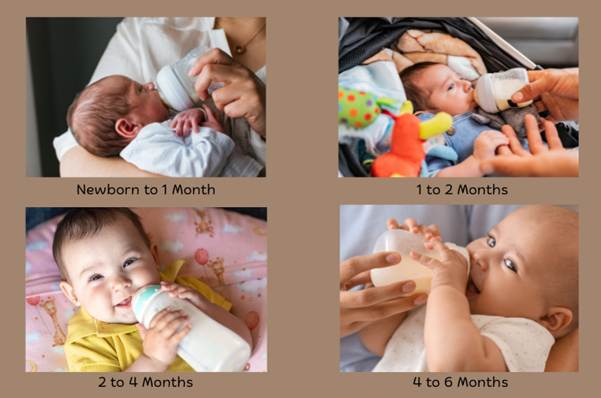
Baby Formula Feeding Schedule by Age
Many new parents worry about following the “perfect” feeding schedule, but the truth is that every baby is different. Some babies get hungry more often, while others naturally go a little longer between feeds. Feeding schedules are helpful guides, not strict rules.
Newborn to 1 Month
During the first few weeks, most newborns drink about 1.5 to 3 ounces every 2–3 hours. Their tiny stomachs empty quickly, which is why frequent feeding is completely normal.
Those early days can feel nonstop, but this stage slowly becomes easier with time.
1 to 2 Months
By this age, many babies start drinking around 3 to 4 ounces every 3–4 hours. You may also notice your baby beginning to sleep slightly longer stretches at night.
Even small changes in sleep can feel like a huge win for tired parents.
2 to 4 Months
Most babies between 2 and 4 months drink about 4 to 6 ounces every 4 hours. Feeding patterns often become a little more predictable during this stage, which can help parents settle into a daily routine.
4 to 6 Months
Around 4 to 6 months, babies may drink 6 to 8 ounces every 4–5 hours. Some babies also begin trying solids during this stage with guidance from their pediatrician.
Remember, these amounts are only general guidelines. Some babies naturally drink a little more, while others need less. Trust your baby’s hunger cues and focus on steady growth, wet diapers, and overall happiness.
How Much Formula Should Baby Drink?
One of the most searched questions from exhausted parents is: how much formula should baby drink?
The truth is, there’s no exact number that fits every baby.
A common guideline is:
- Babies typically drink about 2.5 ounces of formula per pound of body weight each day.
But babies are people too, not calculators.
Some days your baby may seem extra hungry, while other days they eat less. What matters most is steady growth, wet diapers, and overall happiness.
Signs your baby is getting enough include:
- Regular wet diapers
- Healthy weight gain
- Content after feeding
- Alert wake periods
If you ever feel unsure, your pediatrician can provide reassurance and guidance.
Newborn Formula Feeding Chart
Here’s a simple newborn formula feeding chart many parents find helpful during the early weeks.
| Baby Age | Formula Per Feeding | Frequency |
| Newborn | 1–2 oz | Every 2–3 hrs |
| 2 Weeks | 2–3 oz | Every 2–3 hrs |
| 1 Month | 3–4 oz | Every 3–4 hrs |
| 2 Months | 4–5 oz | Every 3–4 hrs |
| 4 Months | 5–6 oz | Every 4 hrs |
| 6 Months | 6–8 oz | Every 4–5 hrs |
Use this as a gentle guide, not a strict rulebook.
Your baby’s appetite can change daily, just like ours.
These amounts are general guidelines. Every baby’s appetite and feeding pattern can vary, so always follow your baby’s hunger cues and your pediatrician’s advice.

Best Practices for Formula Feeding During Night Feeds
Night feeds can feel especially emotional during those early newborn months. The house is quiet, your body is exhausted, and sometimes you may wonder if you’re doing everything right. If you’ve ever felt that way during a late-night bottle feed, you’re not alone.
A few small habits can make nighttime feeding feel calmer and a little easier for both you and your baby.
Prepare Ahead
Before going to bed, try setting out clean bottles, measured formula, and burp cloths nearby. When your baby wakes up hungry at 2 or 3 a.m., having everything ready can make those sleepy moments feel far less stressful.
Keep Lights Dim
Soft lighting helps babies stay relaxed and sleepy during feeds. Bright lights and too much activity can make it harder for everyone to settle back to sleep afterward.
Sometimes a quiet room and a gentle cuddle are all your baby needs.
Hold Baby Upright After Feeding
Keeping your baby upright for about 15–20 minutes after feeding may help reduce spit-up, gas, and tummy discomfort.
Those extra cuddles on your shoulder can also become some of the sweetest quiet moments together.
Give Yourself Grace
Some nights feel endless. You may feel emotional, overwhelmed, or completely exhausted during a 3 a.m. feed, and that does not make you a bad parent.
It simply means you’re human and doing your best for your little one, even when you’re tired.
Common Formula Feeding Challenges
Even when you’re doing everything carefully, formula feeding can still come with a few small challenges along the way. The good news is that many of these issues are very common during the baby stage, and most improve with time and a little patience.
If your little one is struggling during feeds, understanding these common baby feeding problems may help you recognize what is happening and when to seek additional guidance.
Gas and Fussiness
Some babies swallow extra air while drinking from a bottle, which can leave their tiny tummies feeling uncomfortable and gassy.
Using slow-flow nipples, taking burping breaks during feeds, and keeping your baby slightly upright after feeding can often help. Sometimes a little tummy massage or gentle cuddles against your shoulder can make a big difference too.
Spit-Up
Small spit-ups after feeding are usually completely normal, especially during the first few months. Babies have tiny stomachs, and a little milk coming back up now and then is common.
However, if your baby is vomiting frequently, seems uncomfortable, or isn’t gaining weight well, it’s always best to speak with your pediatrician for reassurance and guidance.
Constipation
Some formula-fed babies may have firmer stools from time to time. Making sure the formula is mixed correctly and giving gentle tummy rubs can sometimes help ease discomfort.
If your baby seems very uncomfortable or goes several days without a bowel movement, check in with your doctor.
Never dilute formula or add extra water to try to relieve constipation unless your pediatrician specifically recommends it, as this can affect your baby’s nutrient intake and hydration.
Switching Formulas
It’s tempting to switch formulas quickly when your baby seems fussy, but changing formulas too often can sometimes make tummy troubles worse.
Unless your pediatrician recommends a change, try giving a new formula a little time before deciding whether it’s the right fit for your baby.
Emotional Support for Formula Feeding Moms
This part matters deeply.
Many moms carry guilt around formula feeding, even when they shouldn’t.
Some planned to breastfeed but faced challenges. Others chose formula feeding for personal, medical, or emotional reasons.
No matter your story, feeding your baby with love is enough.
Your baby doesn’t measure your worth by ounces, bottles, or feeding methods. They know your voice, your cuddles, your smell, and the comfort of your arms.
That’s what creates attachment and security.
At Little One Haven, we want every parent to know this:
You are not “less” because you formula feed.
You are still nurturing your baby every single day in the most important ways.
Creating Peaceful Feeding Moments
Feeding time doesn’t always have to feel rushed or stressful. Sometimes the most beautiful moments of early parenthood happen quietly during late-night or sleepy daytime bottle feeds.
You may notice tiny fingers wrapped tightly around yours, sleepy little eyes looking up at you, or soft newborn sighs while your baby rests against your chest. These small moments often become the memories parents hold onto forever.
Try to slow down and soak them in when you can.
The dishes can wait sometimes. The laundry will still be there later.
Right now, your baby simply wants your warmth, your comfort, and the safety of being close to you. And before you know it, these tiny newborn days will begin to pass faster than you ever imagined.
FAQs
1. How often should newborns be formula fed?
Most newborns feed every 2–3 hours, though every baby’s feeding pattern can be slightly different.
2. How much formula should a newborn drink?
Newborns usually drink around 1–3 ounces per feeding during the first few weeks, gradually increasing as they grow.
3. Is formula feeding safe for babies?
Yes, infant formula is designed to provide important nutrients that support healthy baby growth and development.
4. Can I combine breastfeeding and formula feeding?
Yes, many families successfully combine breastfeeding and formula feeding based on their baby’s needs and personal circumstances.
5. How do I know if my baby is getting enough formula?
Regular wet diapers, healthy weight gain, alertness, and contentment after feeds are common signs your baby is feeding well.
6. Is cluster feeding common in formula-fed newborns?
Parents searching for “cluster feeding formula newborn” often want to know whether frequent bottle-feeding is normal. Some newborns may feed more frequently during growth spurts, but it is important to follow their hunger and fullness cues.
Conclusion
This formula feeding guide is here to remind you that feeding your baby doesn’t need to feel perfect to be loving, safe, and meaningful. Every bottle you prepare, every sleepy night feed, and every comforting cuddle is part of caring for your little one beautifully.
Learning the formula feeding basics takes time, and every parent figures things out little by little. Some days will feel smooth, and other days may feel messy and emotional. That’s part of parenthood.
Trust yourself more than you think you should.
You know your baby better every single day.
If you found this guide helpful, explore more practical baby feeding tips, newborn care advice, and trusted parenting resources at TotAdvice. We’re here to support you with simple, evidence-based guidance through every stage of your parenting journey.
Resources