
If your kid will eat food at daycare not at home, you are definitely not alone. So many moms sit at the dinner table wondering how their child happily eats vegetables, rice, fruit, or even full meals at daycare, only to come home and refuse almost everything. You spend time planning meals with love, yet your little one suddenly acts like dinner is the worst thing ever.
It’s important to remember that your child is not trying to upset you, and you are not doing anything wrong. Children often behave differently in different environments, especially when it comes to food. There are many simple and understandable reasons why a toddler may eat at daycare but refuse food at home, and most of these reasons are completely normal and not related to parenting mistakes.
Let’s talk about why this happens and how you can make mealtimes at home feel calmer, easier, and more connected.
Why Do Kids Eat Better at Daycare Than at Home?
One of the biggest reasons children eat differently at daycare is structure. Daycare environments naturally create routines that encourage eating without pressure.
At daycare, meals usually happen:
- At the same time every day
- With other children eating together
- Without toys, screens, or distractions
- In a calm and predictable setting
Children thrive on routine. When they see other kids eating, they often copy them without even realizing it. This is called social eating, and it is incredibly powerful for toddlers and preschoolers.
At home, things are usually more relaxed, which is completely normal. But sometimes home routines unintentionally create opportunities for food refusal. Snacks before dinner, distractions, overtiredness, or emotional attachment to parents can all affect eating habits.
This is one reason why many parents wonder, “Why kids eat better at daycare?”
The answer often comes down to environment, consistency, and social influence.
Daycare Removes Pressure Around Food
Here’s something many moms don’t realize at first: children sometimes feel less pressure eating around caregivers who are not their parents.
At home, parents naturally worry:
- “Did she eat enough?”
- “Why won’t he touch vegetables?”
- “Should I make something else?”
- “Is my child getting enough nutrition?”
Children are incredibly sensitive to our emotions. Even gentle encouragement can sometimes feel like pressure to a child.
At daycare, teachers usually place the food down and allow children to decide what to eat. There’s often less emotional focus on every bite.
Ironically, this relaxed atmosphere can make children more willing to eat.
So if your child refuses food at home, it does not mean your cooking is bad or your child dislikes you. It simply means home carries more emotional comfort and freedom.
Children often save their strongest feelings for the people they trust most.
The Power of Watching Other Kids Eat
One reason behind why daycare kids eat better is simple: kids love copying other kids.
Imagine a table full of toddlers happily eating pasta or fruit. Even picky eaters often become curious when they see friends eating the same thing.
Peer influence works wonders during mealtime.
At home, your child may not have that same motivation. Instead, they may focus more on preferences, moods, or testing boundaries.
This is especially common if you have a picky eater at home but not daycare.
Many daycare providers even notice children trying foods they previously refused simply because everyone else is eating them too.
This social influence is so powerful that many childcare professionals observe children eating foods at daycare that they regularly refuse at home.
This doesn’t mean your child is “better behaved” there. It simply means children naturally learn socially.
Home Is a Safe Place for Big Feelings
Sometimes, a child only eats at daycare because by the time they get home, they are simply emotionally worn out. Even though daycare can be fun and exciting, it also asks a lot from little kids all day long.
Think about everything your child is doing from morning until pickup time:
- Following rules
- Sharing toys and space with others
- Listening carefully to teachers
- Waiting their turn
- Managing emotions around friends
- Handling constant noise, movement, and activity
That’s a lot for a small child.
Many toddlers hold themselves together all day in busy environments. Then they come home to the one place where they feel completely safe, with you. Home is where they finally let out all the tiredness, emotions, and frustration they’ve been carrying inside.
These big emotions can sometimes show up as meltdowns or tantrums, and learning gentle ways to handle toddler tantrums can make this transition easier for both parents and children.
And sometimes, that shows up at the dinner table.
A toddler won’t eat dinner at home very often simply because they’ve reached their limit for the day. They may be:
- Too tired to sit still
- Too distracted by finally being home
- Emotionally drained after a long day
- Wanting comfort and connection more than food
Some children even fill up emotionally before they fill up physically. They may crave cuddles, quiet time, or attention more than a meal right away.
This can be frustrating for parents, especially after preparing dinner with love, but it’s actually very common in toddlers and preschoolers. In many cases, food refusal at home is less about the food itself and more about exhaustion, emotions, and the need to decompress in a safe space.
Child Eating Habits at Daycare Are Often More Predictable
Another big reason children eat differently at daycare comes down to routine and structure. Most daycare centers follow a very consistent daily schedule, and that predictability can make eating feel easier for kids.
At daycare, meals and snacks usually happen at set times every day. Children quickly learn when food is coming, so they naturally build hunger around those routines. There’s often less random snacking throughout the day, and meals happen together as a group.
Many daycare environments include:
- Set snack and meal times
- Limited grazing between meals
- Consistent expectations around sitting and eating
- Group routines where everyone eats together
At home, life is usually much more flexible, and honestly, that’s normal for families. But sometimes children snack little by little after daycare without us even realizing how much it affects dinner appetite.
A handful of crackers in the car, a cup of milk while watching TV, a few bites of snacks while playing, those small things can add up quickly for little stomachs.
So if your child barely touches dinner but asks for snacks all evening, it may not be picky eating at all. They simply may not feel hungry enough by dinnertime.
This is one reason many parents notice different child eating habits at daycare compared to home.
Sometimes, instead of changing the dinner menu over and over, it helps more to gently adjust snack timing. Offering a balanced snack after daycare and then allowing enough time before dinner can make a surprisingly big difference.
Many parents often wonder why kids eat better at daycare than home when they see different eating behavior in different environments.
Why Parents Often Take Food Refusal Personally
As moms, feeding our children feels deeply emotional.
We pour love into meals.
We want our children healthy.
We connect food with care.
So when a child pushes away a plate, it can quietly feel like rejection.
But your child is not rejecting you.
Children often test independence most strongly with parents because home feels safe and unconditional.
Food becomes one area where they can exercise control.
This is developmentally normal.
The goal is not forcing perfect eating habits overnight. The goal is building a peaceful relationship with food over time.
Signs Your Child’s Eating Habits Are Still Healthy
Sometimes parents panic because a toddler eats at daycare not at home, but overall growth and health are completely normal.
Your child is likely okay if:
- They have energy during the day
- Growth is steady
- They eat well at least in some environments
- They have periods of appetite changes
- They occasionally accept a variety of foods
Toddlers naturally eat inconsistently. Some days they seem endlessly hungry. Other days they survive on three crackers and air.
It can feel stressful, but it’s often part of normal childhood development.
Gentle Ways to Encourage Better Eating at Home
When a child eats well at daycare but struggles at home, it’s easy for parents to feel frustrated or worried. But in many cases, children simply need a calmer, more predictable environment to feel comfortable eating at home.
Instead of pressure or forcing bites, gentle routines and relaxed mealtimes often work much better. Small changes like reducing snacks before dinner, eating together as a family, and keeping the table stress-free can slowly encourage healthier eating habits.
Most importantly, remember that building a positive relationship with food takes time, patience, and consistency.
Keep Mealtimes Calm
Children eat best when mealtimes feel safe, relaxed, and pressure-free. But as parents, it’s completely natural to worry when our child barely touches their food. Sometimes without meaning to, that worry shows up at the table.
Many moms find themselves:
Begging for “just one more bite”
Negotiating over vegetables
Offering dessert as a reward
Repeating reminders to eat every few minutes
The hard part is that the more pressure children feel around food, the more they often pull away from it.
Using positive discipline techniques during mealtimes can help reduce pressure and create a healthier relationship with food.
Instead, try placing the meal down calmly and letting your child decide how much they want to eat. Some days they may surprise you. Other days they may barely touch dinner, and that’s okay too.
Children are much more likely to build healthy eating habits when mealtimes feel peaceful instead of stressful.
At the end of the day, a calm and connected table matters far more than a perfectly cleaned plate.
Serve Smaller Portions
Large portions can feel overwhelming for little kids, especially after a long daycare day.
Sometimes parents serve extra food hoping their child will finally eat well, but toddlers often respond better to smaller, simpler portions. A tiny serving feels less intimidating and easier to manage.
When children see a huge plate, they may instantly feel pressured before even taking a bite.
Smaller portions help children feel successful instead of overwhelmed. And very often, once the pressure disappears, they naturally ask for more on their own.
There’s something comforting for children about feeling like they have control over their food choices.
Create Predictable Routines
Children thrive on consistency. One reason many kids eat better at daycare is because the routine stays mostly the same every day.
At home, creating gentle structure around meals can really help.
Simple things make a difference, like:
Serving meals around the same time each day
Limiting snacks too close to dinner
Creating a calm transition after daycare before sitting down to eat
Many children walk through the door overstimulated, tired, or emotionally drained after a busy day. Jumping straight into dinner can feel overwhelming for them.
Even allowing 20–30 minutes of quiet play, cuddles, reading, or downtime before dinner can help reset their mood and appetite.
Sometimes children don’t need a different meal, they simply need a little time to breathe.
Eat Together Whenever Possible
Family meals have a bigger impact than many parents realize.
When children sit and watch parents eat calmly, they naturally learn through observation. Even if your child refuses food at first, they are still absorbing healthy habits from the environment around them.
The goal isn’t forcing bites. It’s creating positive experiences around food.
Try to keep conversation light and comforting instead of focusing entirely on how much your child is eating. Talk about your day, laugh together, and make the table feel safe and relaxed.
And if dinner doesn’t go perfectly, that’s okay.
One difficult meal does not define your child’s eating habits or your parenting. What matters most is the long-term feeling your child develops around family meals, warmth, connection, and comfort.
Avoid Becoming a Short-Order Cook
It’s tempting to quickly make another meal when your child refuses dinner, every mom has done it at some point. But regularly preparing separate foods can unintentionally encourage picky eating habits over time.
Instead, try serving the family meal with at least one familiar food your child usually likes. Then allow them to choose how much they want to eat without pressure.
Simple, calm boundaries often work better than constantly changing the menu.
Toddlers Often Eat Less at Dinner Naturally
Here’s something many parents don’t realize at first, toddlers often eat less at dinner, and that can be completely normal.
By the end of the day, many little kids are simply tired, distracted, or low on energy. Lunch is often easier for them because they’re more active, rested, and in a better mood earlier in the day.
So if your toddler won’t eat dinner at home, it doesn’t always mean something is wrong. Sometimes toddlers just aren’t as hungry in the evening as parents expect them to be.
A small shift in expectations can bring a lot of relief and make dinnertime feel much less stressful for everyone.Top of FormBottom of Form
How to Handle Food Refusal Without Stress
When your child refuses food, try to keep your response calm and gentle. Small reactions from parents can sometimes turn mealtime into a bigger struggle than it needs to be.
- Stay calm instead of showing frustration
- Avoid lectures or constant reminders to eat
- Don’t force bites or pressure your child
- Trust long-term eating habits instead of one meal
- Respond gently with phrases like, “That’s okay, you can eat when you feel hungry.”
- Keep mealtimes relaxed and low-pressure
When food loses emotional tension, children often become more comfortable eating naturally.
When Picky Eating Becomes More Concerning
Picky eating is very common in toddlers and young children, and most phases improve with time and patience. But sometimes, it’s important to look a little deeper and talk with a pediatrician or feeding specialist.
You may want extra support if your child:
- Is losing weight or not growing well
- Completely avoids entire food groups
- Frequently gags or chokes while eating
- Seems afraid of certain textures or foods
- Eats only a very small number of foods for a long time
Getting help doesn’t mean you failed as a parent. Sometimes children simply need a little extra support, and early guidance can make mealtimes much easier for both kids and parents.
The Emotional Side of Feeding Kids
Feeding children can feel surprisingly emotional for many moms. When your child refuses meals or eats better for someone else, it’s easy to quietly blame yourself.
You may find yourself wondering:
- “Am I doing enough?”
- “Why does my child eat better for others?”
- “Did I somehow cause this picky eating?”
But please remember this, you are not failing.
Children behave differently in different environments because they have changing emotions, energy levels, routines, and personalities. Many kids who eat happily at daycare struggle more at home simply because home is where they feel safest and most comfortable expressing themselves.
And most importantly, this phase does not define your parenting. Your love, patience, and care matter far more than one difficult dinner table season.
Small Changes That Often Help
Sometimes, the smallest changes at home can make mealtimes feel much easier and less stressful. You don’t need perfect routines or fancy meals, just a few gentle habits that help your child feel more comfortable around food.
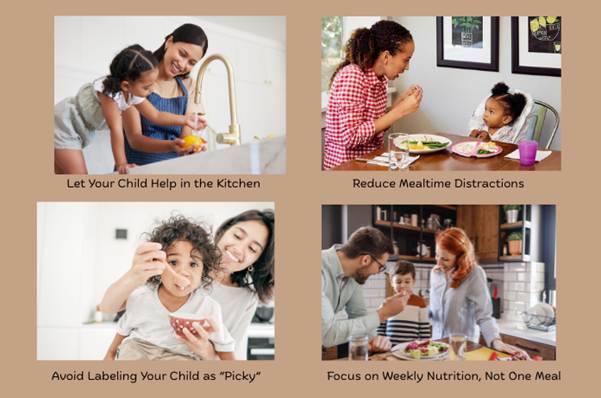
Let Your Child Help in the Kitchen
Toddlers love feeling included and involved. Even simple little tasks can make food feel more fun and familiar to them.
Things like:
- Stirring ingredients
- Washing vegetables
- Carrying napkins to the table
can help children become more curious and interested in trying foods they helped prepare.
Reduce Mealtime Distractions
Children focus better on eating when the environment feels calm and simple.
Try turning off screens, putting away toys, and creating a peaceful table during meals. A quieter environment often helps children pay more attention to their hunger and food.
Avoid Labeling Your Child as “Picky”
Words matter more than we realize.
When children repeatedly hear labels like “pickyeater,” they may slowly start believing that’s just who they are.
Instead of saying:
“She’s such a picky eater.”
Try saying:
“She’s still learning to try new foods.”
Gentle language helps build confidence instead of pressure.
Focus on Weekly Nutrition, Not One Meal
Most toddlers do not eat perfectly balanced meals every single day, and that’s completely normal.
Some days they eat a lot, and other days barely anything at all. Instead of stressing over one difficult dinner, try looking at your child’s eating habits across the whole week.
This mindset can take a huge amount of pressure off both parents and children.
Why Connection Matters More Than Perfection
At the end of the day, children may not remember exactly what was served for dinner, but they do remember how mealtimes felt.
When a child feels relaxed, safe, and loved at the table, they’re more likely to build a healthy relationship with food over time. That’s why connection matters so much more than having the “perfect” meal or getting every bite in.
The truth is, many children go through difficult eating phases, especially during the toddler years. With patience, gentle routines, and low-pressure support, most kids slowly grow out of these habits naturally.
Perfect eating isn’t the goal.
A peaceful and connected mealtime is.
The main reason why kids eat better at daycare than home is routine, social environment, and emotional comfort.
FAQs About Kids Eating at Daycare but Not at Home
1. Why does my child eat well at daycare but not at home?
Children often eat better at daycare because of routines, peer influence, and lower emotional pressure around food.
2. Is it normal for toddlers to refuse dinner at home?
Yes, many toddlers eat less at dinner because they are tired, overstimulated, or emotionally drained after the day.
3. Why do daycare kids eat foods they refuse at home?
Watching other children eat can encourage toddlers to try foods more willingly.
4. Should I worry if my child only eats well at daycare?
If your child is growing well and eating in some environments, it’s usually not a major concern.
5. How can I encourage my child to eat better at home?
Keeping mealtimes calm, limiting snacks before dinner, and reducing pressure often helps over time.
A Warm Reminder for Moms
If your kid will eat food at daycare not at home, take a deep breath. This situation is far more normal than you think.
Your child is not trying to hurt your feelings.
You are not a bad mom.
And dinner struggles do not erase all the love and care you pour into your family every day.
Children often eat differently depending on routine, environment, emotions, and energy levels. With gentle consistency, calm mealtimes, and patience, things usually improve little by little.
At Little One Haven, we truly believe parenting becomes lighter when moms stop chasing perfection and start trusting themselves more.
You are already doing better than you think.
If this article brought you even a little comfort, you can explore more gentle parenting tips, toddler guidance, and real-life family support at TotAdvice, a space created to help parents feel less alone in everyday parenting challenges.