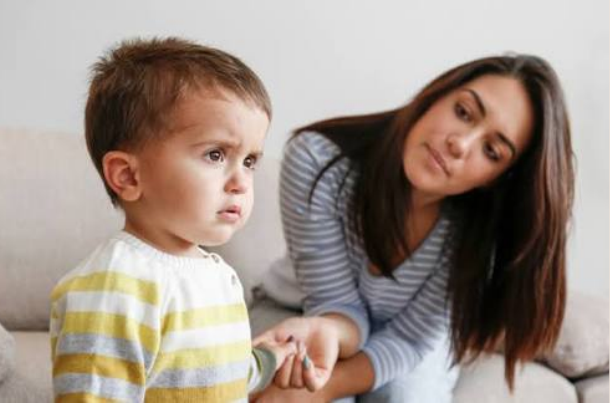
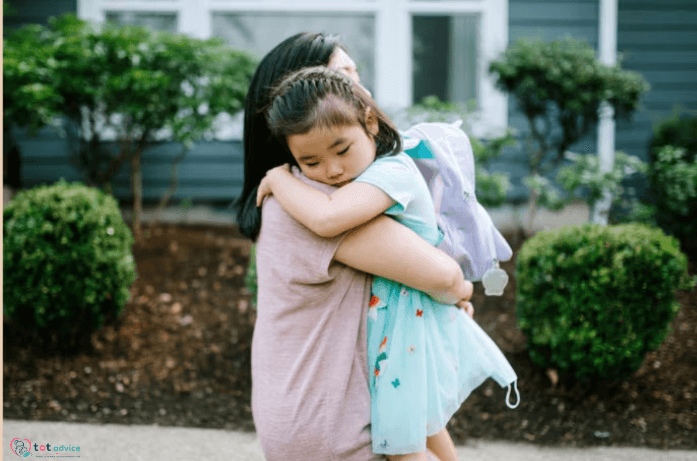
If you’ve ever tried to step out of the room and your toddler suddenly bursts into tears, clinging tightly to you, you’re not alone. The separation anxiety phase toddler experience can feel overwhelming, for both you and your little one. One moment they’re happily playing, and the next, they can’t bear to be apart from you even for a minute.
As a mom, I’ve been there too. That mix of guilt, confusion, and concern is very real. But here’s something important to hold onto, this phase is completely normal, and it’s actually a sign of healthy emotional development. Your child is learning love, attachment, and trust.
Let’s gently walk through what this phase looks like, why it happens, and how you can support your toddler with patience and confidence.
Understanding the Separation Anxiety Phase in Toddlers
The separation anxiety phase toddler stage is a very natural and important part of your child’s early years. It usually begins when your little one starts to realize that you and they are two separate people, and that you can actually go away.
For us as parents, that might sound simple. But for a toddler, it can feel confusing and even a little scary. They don’t yet understand that when you leave the room, you’re still close by or that you’ll always come back. To them, your absence can feel big and uncertain.
During this time, you might notice your toddler:
- Crying the moment you step away
- Resisting being with other caregivers, even familiar ones
- Waking up at night and calling out for you
- Holding onto you tightly in new or busy places
This stage, often called the toddler separation anxiety phase, can feel intense in the moment. Some days might test your patience and tug at your heart a little more than others. But the comforting truth is, this phase is temporary.
Your child isn’t trying to make things difficult, they’re simply learning how to feel safe in a world where you’re not always right next to them. And with your love and reassurance, they’ll slowly grow through it.
When Does Separation Anxiety Start in Toddlers?
Many parents quietly wonder, when does separation anxiety start in toddlers? It can sometimes feel like it appears out of nowhere.
In reality, small signs can begin as early as 6 to 9 months. But for most children, it becomes more noticeable between 12 to 24 months, when their awareness and attachment grow stronger. For some little ones, it may even peak around age 2 or 3.
Every child moves through this phase in their own way. Some toddlers adjust quickly, while others need a bit more time, comfort, and reassurance, and both are completely okay.
You might start to notice little changes like:
- Suddenly wanting to be close to you all the time, even if they were once quite independent
- Feeling uneasy or upset when left with relatives or at daycare
- Wanting extra cuddles, especially during bedtime
These moments can feel confusing at first, but they’re not a sign that anything is wrong. In fact, it’s quite the opposite. It simply shows that your child feels safe with you, trusts you deeply, and has formed a strong, loving bond. And that’s something truly special.
Signs of Separation Anxiety in Toddlers
Recognizing the signs of separation anxiety in toddlers can make a big difference in how you respond. Instead of feeling worried or unsure, it helps you meet your child with more patience, understanding, and calm.
During this phase, your toddler is simply trying to make sense of big emotions they don’t yet have the words for. And those feelings can show up in different ways.
Common Emotional Signs
You may notice your little one becoming more sensitive than usual.
- Crying or having tantrums when you leave, even for a short time
- Feeling shy or uneasy around new people
- Wanting only you, and refusing comfort from others
Tantrums during this phase are very common, and learning gentle ways to handle toddler tantrums can make separation anxiety feel easier for both you and your child.
Behavioral Signs
Sometimes, their emotions show through their actions.
- Following you from room to room, not wanting to be out of sight
- Struggling to play on their own like they used to
- Getting upset or resisting when it’s time for drop-offs
Physical Reactions
Separation anxiety can even affect their body and routines.
- Finding it hard to fall asleep alone
- Waking up at night and calling for you
- Eating less than usual in some cases
These signs can come and go, and that’s completely normal. You might notice them more during times of change, like starting daycare, traveling, or even small shifts in your daily routine.
At the heart of it, your child isn’t trying to be difficult. They’re simply seeking comfort and reassurance from the person who makes them feel the safest, you. And with your gentle support, they’ll slowly learn to feel secure, even when you’re not right beside them.

Why Toddlers Experience Separation Anxiety
Understanding why your toddler feels this way can gently shift your perspective. What may look like clinginess or fussiness is actually your child growing emotionally and learning how the world works.
At this stage, your little one is going through some big internal changes:
- Attachment awareness: They now clearly recognize that you are their safe place, their comfort, their home.
- Memory skills: Even when you’re not in front of them, they remember you and miss you.
- Limited sense of time: They don’t yet understand “I’ll be back soon.” To them, it can feel like you’re gone for a very long time.
So when you step away, even for something small, it can feel overwhelming in their tiny world.
At the same time, toddlers are also beginning to explore independence. They want to try things on their own, but they still need the safety of knowing you’re close. This mix of wanting to explore and wanting to hold on is what creates that emotional tug-of-war, often seen as toddler anxiety when leaving parents.
It’s not easy for them, and it’s not always easy for you either. But this phase is simply part of your child learning to balance love, trust, and independence, step by step, with you as their secure base.
How to Handle Toddler Separation Anxiety
Now comes the part every parent quietly searches for, how to handle toddler separation anxiety in a way that feels gentle, loving, and actually works.
The truth is, there’s no instant fix. But there are small, meaningful steps that can make this phase easier for both you and your child. And over time, these little efforts build a strong sense of security in your toddler’s heart.
1. Create a Consistent Goodbye Routine
Toddlers feel much safer when they know what to expect. A simple, predictable goodbye can bring them a lot of comfort.
You might try something like:
- A warm hug and a quick kiss
- A soft, reassuring phrase like “Mama will be back soon”
- A cheerful little wave at the door
Keep it short, calm, and loving. It’s tempting to stay longer when they cry, but long goodbyes can sometimes make the anxiety feel even bigger for them.
2. Practice Short Separations
Start with small steps. You don’t have to rush this process.
Step into another room for a few minutes while your toddler plays, then come back with a smile. These tiny moments teach your child something very important, that when you leave, you also return.
As their confidence grows, you can slowly increase the time apart.
3. Stay Calm and Confident
This one can be hard, especially when your heart feels heavy. But your toddler looks to you to understand how to feel.
If you seem anxious or unsure, they may feel it too. So even on the inside you’re emotional, try to:
- Smile softly
- Speak in a calm, reassuring voice
- Show quiet confidence that they’re okay
Your calm presence becomes their comfort.
4. Offer a Comfort Object
Sometimes, a small familiar item can bring big comfort.
A favorite toy, a soft blanket, or even something that smells like you, like your scarf, can help your toddler feel connected to you when you’re not there.
During the toddler separation anxiety phase, these little things can make transitions feel less overwhelming.
5. Build Trust with Caregivers
If your child is spending time with someone else, take it slowly. Trust doesn’t happen instantly, it grows over time.
You can help by:
- Staying together during the first few visits
- Letting your toddler observe and get comfortable at their own pace
- Keeping transitions gentle instead of sudden
This helps your child feel safe, even when you’re not right beside them.
6. Keep Your Promises (Always Come Back)
This is one of the most powerful things you can do.
When you tell your toddler you’ll come back, make sure you do. Each time you return, you’re building trust and helping them understand that separation isn’t forever.
Over time, this trust becomes their sense of security, even when you’re apart.
Through all of this, remember, your toddler isn’t trying to make things difficult. They’re learning how to feel safe in a world where you’re not always within reach.
And with your love, patience, and gentle guidance, they will get there one small, brave step at a time.
Handling Difficult Moments (Like Drop-Offs)
Let’s be honest, there are certain moments in this journey that can feel especially heavy. Daycare drop-offs or leaving your toddler with someone else can tug at your heart in a way that’s hard to explain. Seeing those teary eyes and little hands reaching for you isn’t easy.
In these moments, a few gentle approaches can really help:
- Keep your goodbyes short, calm, and consistent so your child knows what to expect
- Try not to sneak away, even if it feels easier in the moment, it can make them feel more unsure later
- Offer loving reassurance, even if they cry, so they feel your warmth and confidence
It might not feel like it, but it’s completely okay if your toddler cries after you leave. Most children begin to settle within a few minutes once they’re comforted or distracted. Their emotions come in big waves, but they also pass more quickly than we expect.
And mama, it’s okay if your eyes fill up too. It doesn’t make you weak, it simply means your heart is deeply connected to your child. This phase asks a lot from both of you, and you’re handling it with more love than you realize.
Nighttime Separation Anxiety
Separation anxiety doesn’t only show up during the day, it often finds its way into bedtime too. And for many parents, this can feel even more exhausting after a long day.
You might notice your toddler:
- Refusing to sleep alone and wanting you close
- Waking up in the night and calling out for you
- Asking for extra cuddles, hugs, or reassurance before settling
At night, everything feels a little bigger for them. The quiet, the darkness, and the distance from you can make those feelings of separation stronger.
What can help is creating a sense of calm and comfort around bedtime. You can try:
- A simple, soothing bedtime routine like a warm bath, a story, and quiet cuddles
- Keeping a soft night light on so the room doesn’t feel too dark or unfamiliar
- Offering gentle reassurance with your words and presence, without starting habits that may be hard to continue later
The most important thing here is consistency. When bedtime feels predictable and safe, your toddler slowly learns that even at night, they are secure, and you are never too far away.
It may take time, but with your steady love and patience, those nights will become easier for both of you.
What Not to Do
As parents, it’s so natural to want to make things better as quickly as possible. When your toddler is upset, your first instinct is to fix it, soothe it, or make the tears stop. But sometimes, a few well-meaning reactions can actually make their anxiety feel a little bigger.
It helps to gently avoid things like:
- Sneaking away without saying goodbye, even if it feels easier in the moment, it can leave your child feeling confused or unsure
- Showing frustration or impatience, especially during emotional moments when they’re already feeling overwhelmed
- Pushing independence too quickly before your child feels ready
In these moments, it’s important to pause and remind yourself, your toddler isn’t trying to be difficult or test you. They’re simply feeling unsure and looking to you for comfort and safety.
With a little patience and a lot of understanding, you can help them move through these feelings in a way that feels secure and supported.
When Should You Be Concerned?
Most of the time, separation anxiety is a completely normal part of your toddler’s development. It comes and goes, and with time, love, and reassurance, it slowly fades.
But as a parent, it’s also okay to pause and look a little closer if something doesn’t feel quite right. Trust that instinct, you know your child best.
You may want to seek a bit more guidance if you notice:
- The anxiety feels very intense and doesn’t seem to ease over time
- Your child strongly resists any interaction with others, even familiar faces
- It starts to affect their daily routines, like eating or sleeping
These situations don’t always mean something serious, but they can be a sign that your child needs a little extra support.
Reaching out to a pediatrician or a child specialist can bring peace of mind. Sometimes, just having someone listen and guide you gently can make all the difference.
And remember, you’re not expected to figure everything out on your own. Asking for help is also a way of caring for your child.
A Gentle Reminder for Moms
If you’re in the middle of this phase right now, just pause for a second and take a slow, deep breath.
You’re not doing anything wrong.
In fact, the way your toddler holds onto you, looks for you, and feels safest with you, it all reflects something truly special. It means you’ve created a bond filled with love, comfort, and trust. And that’s something to be proud of.
Yes, the tears can feel heavy. The constant clinginess can leave you feeling touched-out and tired. Some days might test your patience more than you expected. But this phase, as intense as it feels, won’t last forever.
One day, without even realizing it, things will begin to change. Those little hands won’t reach for you quite as often and you might find yourself missing these moments just a little.
So be gentle with yourself through it all. You’re showing up, loving deeply, and doing exactly what your child needs. And that truly matters.
Final Thoughts
The separation anxiety phase toddler journey can feel like an emotional rollercoaster. Some days may feel heavier than others, especially when the tears don’t stop and your heart feels pulled in two directions. But beneath all of it is something truly beautiful, your child’s deep love and trust in you.
With gentle routines, patience, and lots of reassurance, your toddler will slowly begin to understand that even when you step away, your love never does. This phase won’t last forever, even though it may feel long right now.
So hold their tiny hand when they reach for you
Offer soft hugs when they need comfort
And remind yourself that you’re helping them grow into a confident, secure little human, one small step at a time.
Looking for more gentle parenting tips and real mom advice? Explore TotAdvice for simple, practical support that helps you navigate everyday toddler moments with confidence and calm.
Resources
• Cleveland Clinic – Separation Anxiety in Babies and Toddlers
• KidsHealth – Understanding Separation Anxiety