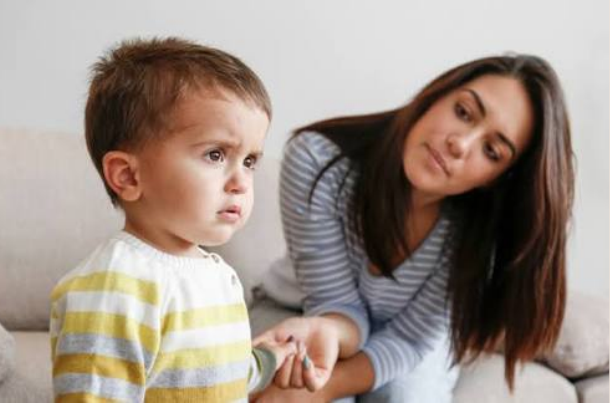

Bringing a new baby into the family is a beautiful, life-changing moment, but if you’re here, you probably already know it can also stir up some big emotions in your toddler. If you’re wondering how to deal with toddler sibling jealousy, you are absolutely not alone. Many of us moms have stood exactly where you are, trying to soothe a crying baby while also comforting a suddenly clingy, upset toddler.
Let me gently remind you: this phase is normal, and more importantly, it’s manageable. With a little patience, understanding, and a few simple strategies, you can help your toddler feel secure, loved, and included again.
How to Deal with Toddler Sibling Jealousy
Toddler jealousy doesn’t come from a bad place, it comes from love, confusion, and a need for reassurance. Your toddler had your full attention once, and now they’re trying to make sense of sharing you.
Instead of trying to “fix” the jealousy quickly, it helps to see it as communication. Your child is saying, “I need you too.”
Let’s walk through some gentle, practical ways to support them.
Understanding Why Toddlers Feel Jealous
Before we jump into solutions, it really helps to pause and look at what’s going on inside your toddler’s little heart. Because when we understand why they’re reacting this way, it becomes so much easier to respond with patience instead of frustration.
Toddlers thrive on routine, attention, and feeling secure. For a long time, their world has been simple, you are their center, their comfort, their everything. Then suddenly, a new baby arrives and that world shifts in ways they don’t quite understand yet.
From their perspective, things change quickly:
- Mom is busier than before
- There’s less one-on-one time
- The baby seems to need constant attention (and yes… so much crying)
Your toddler doesn’t have the emotional language to say, “I feel replaced” or “I’m unsure of my place now.” Instead, those feelings come out in other ways.
Inside, they may be wondering:
“Where do I fit now?”
And that question can show up in behaviors like:
- More frequent tantrums
- Wanting to be held all the time
- Acting younger than their age (asking for a bottle, needing extra help)
- Doing things just to get your attention, even negative attention
It can feel overwhelming, especially on already busy days. But here’s something really important to hold onto: this reaction is actually normal. It doesn’t mean you’ve done anything wrong, and it doesn’t mean your child is being difficult on purpose.
It simply means your toddler is adjusting and they need a little extra reassurance while they do.
When we start to see jealousy as a sign of love and connection, not misbehavior, it softens how we respond. And that small shift makes a big difference for both of you.
Gentle Ways to Handle Sibling Jealousy in Toddlers
If you’ve been searching for how to handle sibling jealousy toddler, let me gently reassure you, this doesn’t require perfect parenting or complicated strategies. Most of the time, it’s the small, loving, everyday moments that slowly bring your toddler back to feeling secure.
If you’re wondering how to deal with toddler sibling jealousy in a calm and supportive way, these gentle steps can truly help.
These are the things that truly help… not overnight, but little by little.
1. Fill Their “Love Tank” First
One thing I’ve learned as a mom is this, toddlers act out the most when their emotional cup is running low.
So instead of waiting until they demand your attention, try to give it before they need to ask.
Even just 10–15 minutes of undivided time can make a big difference. Sit on the floor and play their favorite game, read the same book for the hundredth time, or simply cuddle together.
No phone. No distractions. Just you and them.
In those quiet moments, what they’re really hearing is:
“I still have mom. I still matter.”
And honestly, that reassurance goes a long way.
2. Acknowledge Their Feelings (Without Judgment)
There will be moments when your toddler says something like,
“I don’t like the baby.”
And yes… it can hurt to hear that.
But instead of correcting them right away, try to pause and see what’s underneath those words.
You might gently say,
“I know it feels hard sometimes. It’s okay to feel that way.”
This doesn’t mean you’re encouraging the feeling, it just means you’re letting them know they’re safe to express it.
When children feel understood instead of corrected, their big emotions don’t need to shout as loudly. They begin to soften on their own.
3. Avoid Constantly Saying “Wait”
Let’s be honest, we’ve all said it:
“Wait, I’m feeding the baby.”
“Not now, I’m busy.”
And sometimes, it’s unavoidable.
But when your toddler hears “wait” again and again, it can slowly feel like they’re being pushed aside.
A small shift that can really help is flipping the situation once in a while.
Try saying something like:
“Baby, wait a minute, I’m helping your big sibling.”
Of course, your baby doesn’t understand yet, but your toddler does. And in that moment, they feel seen.
It’s such a simple change, but it carries a lot of emotional weight.
4. Involve Them in Baby Care
Toddlers love to feel needed. And when they’re included, jealousy often turns into a sense of pride.
You don’t need to give them big responsibilities, just small, meaningful roles:
- Bringing a diaper
- Choosing baby clothes
- Singing to the baby
- Helping during bath time
Keep it simple and safe, but make it feel special.
And don’t forget to notice their effort:
“You’re such a great big sibling.”
When they feel included instead of replaced, everything starts to shift.
5. Create Special One-on-One Rituals
This is one of those quiet little things that makes a big difference over time.
Pick one small daily moment that belongs just to your toddler.
It could be:
- A bedtime story together
- Morning cuddles before the day starts
- A short walk outside
It doesn’t have to be long, it just has to be consistent.
These tiny rituals become something they can count on. A reminder that no matter how busy life gets, there’s still a space that’s just theirs.
6. Be Mindful of Comparisons
Sometimes, without even realizing it, we compare.
“Look how calm the baby is.”
“Why can’t you be gentle like that?”
But to a toddler, comparisons can feel like they’re not measuring up.
Instead, try to focus on who they are:
“I love how creative you are.”
“You’re so helpful.”
When you notice and celebrate their strengths, it builds their confidence, and gently eases that feeling of competition.
7. Expect Some Regression (and Handle It Gently)
If your toddler suddenly starts acting younger, asking for a bottle, wanting to be carried, or having accidents, it can be confusing.
But this is often their way of asking for reassurance.
They’re not trying to make things harder, they’re trying to feel safe again.
Instead of getting frustrated, meet them with patience.
You can guide them back gently, but try not to shame or rush them. With time and reassurance, they’ll return to their usual self.
8. Teach Gentle Interaction Slowly
Being “gentle” doesn’t come naturally to every toddler right away.
So instead of saying,
“Don’t touch the baby!”
Try showing them what to do:
“Let’s use soft hands like this.”
Guide their hand. Let them practice. Stay close.
Learning takes time, but with calm guidance, they will understand.
9. Celebrate Their Role as the “Big Kid”
Becoming a big sibling is exciting, but it can also feel like a lot of pressure.
So instead of only expecting “big kid behavior,” help them see the positives in a gentle way.
Remind them:
- They can do things the baby can’t
- They’re learning and growing every day
- They are an important part of the family
Just be careful not to put too much responsibility on them. They’re still little too.
10. Stay Calm During Tough Moments
Some days will be harder than others. There will be tears, tantrums, and moments when you feel completely stretched.
And in those moments, your calm matters more than your perfection.
When your toddler is overwhelmed, they don’t need a perfect response.
They need you, steady, loving, and present.
Take a deep breath. Sit with them. Hold space for their feelings.
You’re not just managing behavior, you’re teaching them how to feel safe again.
And truly… you’re doing better than you think.
What Not to Do When Dealing with Toddler Jealousy
Sometimes, as moms, we focus so much on what we should be doing that we forget, what we avoid can matter just as much.
And when you’re in the middle of tantrums, tears, and a crying baby, it’s easy to react out of exhaustion. I’ve been there too. But a few small shifts can make this phase a lot gentler for both you and your toddler.
One thing to be mindful of is harsh punishment, especially when the behavior is clearly coming from jealousy. Your toddler isn’t trying to be “bad”, they’re trying to express something they don’t fully understand yet. Strong reactions can make them feel even more insecure, which often leads to more acting out.
Using positive discipline techniques can help your toddler feel understood while still teaching healthy boundaries.
It’s also tempting to say things like,
“You have to love your baby sibling.”
But love doesn’t work on command, especially for a toddler. Instead of forcing that bond, give it time to grow naturally. Focus on connection, not pressure.
Another common mistake is brushing off their feelings. When your toddler says something upset or acts out, it can be easy to ignore it, especially when you’re already overwhelmed. But even a simple acknowledgment like,
“I see you’re feeling upset,”
can make them feel safe and understood.
And maybe the most important reminder of all, don’t expect instant adjustment.
This isn’t something your child will “get over” in a few days. It’s a big emotional shift, and like any big change, it takes time.
This whole phase?
It’s not a switch you turn on and off.
It’s a transition.
And with your patience, your presence, and your love, your toddler will find their way through it, one small step at a time.
A Real-Life Reminder (From One Mom to Another)
I still remember the first time my toddler pushed the baby’s blanket away and said, “No baby.”
It hurt more than I expected.
For a moment, I worried something was wrong.
But slowly, with patience and lots of reassurance, things began to change.
Not overnight, but in little, beautiful ways.
And now, that same toddler kisses their sibling goodnight.
It takes time but it truly does get better.
When to Be a Little More Watchful
Most of the time, sibling jealousy is a completely normal part of this transition. It can look messy and emotional, but it usually settles with time, love, and reassurance.
That said, there are moments when it’s okay to pause and pay a little closer attention.
If you start noticing things like your toddler being consistently aggressive toward the baby, pulling away completely from family interaction, or seeming deeply upset for a long time without any improvement, it might be a sign they’re struggling more than expected.
And in those situations, it’s absolutely okay to reach out for a little extra support. Talking to a pediatrician or a child specialist can give you guidance, reassurance, and simple ways to help your child feel safe again.
Just remember, asking for help doesn’t mean you’re doing anything wrong.
It simply means you care, and you want the best for your little one.
You’re Not Doing It Wrong
If you’ve been feeling guilty, overwhelmed, or like you’re not doing enough, please hear this gently you’re not alone in this.
Balancing a toddler and a baby is one of the most emotional and exhausting transitions in motherhood. It stretches you in ways you never expected.
Some days will feel messy.
There will be tears, sometimes theirs, sometimes yours too.
But in between all of that, there are also these quiet, beautiful moments:
- Little bursts of laughter
- Unexpected hugs
- Tiny, heart-melting signs that your children are slowly connecting
Those small moments matter more than you think.
So if today felt hard, remind yourself, you’re learning, your toddler is learning, and your family is finding its rhythm.
FAQs About Toddler Sibling Jealousy
1. Is sibling jealousy normal in toddlers?
Yes, it’s a very common and natural reaction when a new baby joins the family.
2. How long does toddler jealousy last?
It varies, but usually improves gradually with reassurance and consistency.
3. How can I help my toddler feel less jealous?
Spend one-on-one time, involve them in baby care, and acknowledge their feelings.
4. Should I punish my toddler for jealous behavior?
No, it’s better to guide them with patience and understanding.
5. When should I be concerned about sibling jealousy?
If behavior becomes aggressive or doesn’t improve over time, consider seeking advice from a professional.
A Gentle Closing Thought
Learning how to deal with toddler sibling jealousy isn’t about making those feelings disappear completely, it’s about gently guiding your child through them with love and understanding.
If you’re learning how to deal with toddler sibling jealousy, remember this phase is temporary and part of your child’s emotional growth.
In the middle of all the chaos, one thing remains true, you are their safe place.
Your patience, your presence, the way you hold them close even on the hard days it all matters more than you realize.
So if today felt overwhelming, pause for a moment. Take a deep breath.
You’re not just raising two children side by side.
You’re slowly, lovingly helping them build a connection that will grow over the years, through shared laughter, small moments, and everyday life together.
You’re nurturing a bond that will last a lifetime.
And even on the days when it doesn’t feel like it… you really are doing a beautiful job, mama.
If you’d like more gentle parenting tips and practical support, you can explore helpful resources at TotAdvice, a space created to support parents through every stage.
Resources
• Understanding Jealousy in Children
• KidsHealth – Sibling Rivalry and Adjustment to a New Baby