

Pregnancy is a beautiful journey, but let’s be honest, it comes with its share of uncomfortable surprises. One of the most common yet frustrating experiences many moms face is leg cramps during pregnancy. Those sudden, sharp pains, often in the middle of the night, can catch you off guard and leave you wondering what’s happening to your body. If you’ve ever woken up holding your calf in pain, you’re not alone.
The good news is that while leg cramps pregnancy can feel intense, they’re usually harmless and manageable. With a little understanding and some gentle care, you can ease the discomfort and feel more in control.
Understanding leg cramps during pregnancy can help you manage them more calmly and comfortably.
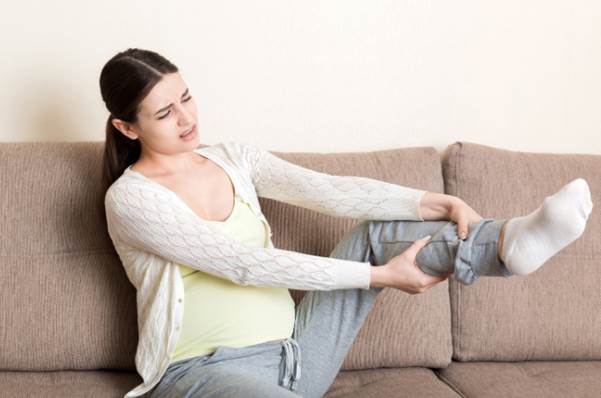
What Are Leg Cramps During Pregnancy?
If you’ve ever been peacefully asleep and suddenly woken up by a sharp, tight pain in your leg, you’ve already experienced what leg cramps feel like. These cramps are sudden muscle tightening’s, most commonly in the calf, that seem to come out of nowhere. One moment you’re resting, and the next, your muscle feels stiff, painful, and hard to move.
The cramp itself usually lasts only a few seconds or a minute, but it can feel much longer when you’re in the middle of it. Even after it passes, your leg might feel sore or a little tender for some time.
Many moms start noticing these cramps more often in the second and third trimesters, when the body is going through rapid changes. And for some reason, they love to show up at night, just when your body is finally trying to rest. It can feel frustrating, especially when sleep is already hard to come by.
It’s one of those quiet pregnancy struggles that isn’t always talked about, but if you’re experiencing it, know that you’re definitely not alone, and there are gentle ways to manage it.
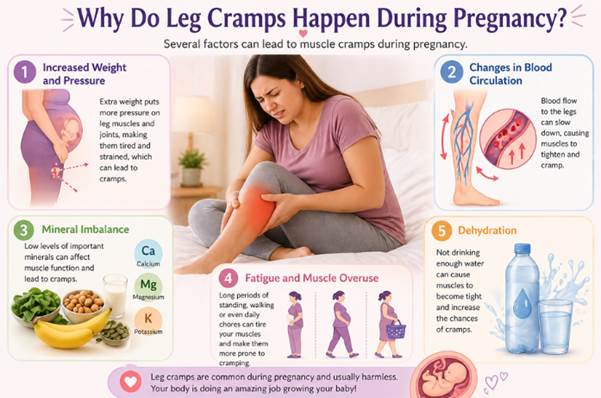
Why Do Leg Cramps Happen During Pregnancy?
If you’ve been dealing with leg cramps during pregnancy, you might find yourself wondering, “Why is this happening?” The truth is, there isn’t just one simple reason. Your body is going through so many changes at once, and these cramps are often a result of several small factors coming together.
Let’s walk through them gently, so you can better understand what your body is experiencing.
1. Increased Weight and Pressure
As your baby grows, your body naturally carries more weight than before. Your legs are supporting you all day, whether you’re standing, walking, or even just moving around the house. Over time, this added pressure can make your leg muscles feel tired and strained, which can lead to cramps, especially at night when your body finally slows down.
2. Changes in Blood Circulation
During pregnancy, your blood flow adjusts to support your growing baby. Sometimes, circulation in your legs can become a little slower, especially if you’ve been sitting or standing in one position for too long. This reduced flow can make your muscles more likely to tighten up suddenly and cause discomfort.
3. Mineral Imbalance
Your body needs extra nutrients during pregnancy, not just for you but also for your baby. If levels of minerals like magnesium, calcium, or potassium are a bit low, your muscles may not relax as easily as they should. This can play a role in leg cramps during pregnancy, making those sudden tightenings more frequent.
4. Fatigue and Muscle Overuse
Even on days when you feel like you haven’t done much, your body is actually working very hard behind the scenes. Your legs, in particular, are doing extra work carrying your changing body. Long periods of standing, walking more than usual, or even daily chores can tire your muscles, making them more prone to cramping.
5. Dehydration
It’s easy to forget to drink enough water, especially when you’re busy or not feeling your best. But during pregnancy, staying hydrated is more important than ever. When your body doesn’t get enough fluids, your muscles can become tight and sensitive, increasing the chances of cramps.
If you’re looking for simple ways to improve your fluid intake, these hydration tips for pregnant women can help you stay comfortable and support healthy muscle function throughout pregnancy.
The important thing to remember is that these cramps are very common and, in most cases, completely normal. Your body is adjusting in the most incredible way to support your little one, and sometimes, these small discomforts are just part of that journey.
How to Get Immediate Relief from Leg Cramps
When a leg cramp suddenly hits, it can feel intense and a little scary, especially if it wakes you up from sleep. That tight, pulling sensation in your leg can make it hard to even move for a moment. But the good thing is, there are a few simple and gentle ways to ease the pain and help your muscle relax.
Gently Stretch Your Leg
As soon as you feel the cramp, try to slowly straighten your leg. Then gently pull your foot upward, pointing your toes toward your face. It might feel a bit uncomfortable at first, but this stretch helps release the tight muscle and can bring relief fairly quickly.
Massage the Area
Once the sharp pain starts to settle, use your hands to softly massage the cramped area. You don’t need to press too hard, just a gentle, steady rub can help the muscle loosen up and feel more relaxed.
Apply Warmth
Warmth can be very soothing for tight muscles. You can place a warm towel or a heating pad on your leg for a few minutes. This helps improve blood flow and eases the stiffness, making your leg feel more comfortable.
Walk It Off
If you’re able to, try standing up and walking slowly around the room. Even a little movement can help your muscle relax and release the cramp. Take it easy, there’s no need to rush.
These small steps may seem simple, but in that moment of discomfort, they can make a big difference. Over time, you’ll start to notice what works best for your body, and handling these cramps will feel a little less stressful.
Simple Ways to Prevent Leg Cramps During Pregnancy
While it may not always be possible to completely avoid leg cramps during pregnancy, a few small, mindful habits can really help reduce how often they happen, and how intense they feel. Think of these as gentle ways to care for your body as it works so hard every day.
Stay Hydrated
Sometimes, something as simple as drinking enough water can make a big difference. Your body needs extra fluids during pregnancy, and staying hydrated helps your muscles function smoothly. Try to sip water throughout the day, and keep a bottle nearby so it becomes an easy habit.
Stretch Before Bed
Since many cramps tend to show up at night, a few gentle stretches before going to bed can help relax your muscles. It doesn’t have to be anything complicated, just a couple of minutes of stretching your legs can prepare your body for a more restful sleep.
Keep Moving
Light, regular movement can do wonders for your circulation. A short walk, even around your home or nearby area, helps keep your muscles active and reduces stiffness. It’s not about doing a lot, it’s about staying gently consistent.
Eat Nutrient-Rich Foods
Your body is nourishing both you and your baby, so it needs the right kind of fuel. Foods rich in calcium, magnesium, and potassium support healthy muscle function. Including simple options like bananas, leafy greens, nuts, and dairy in your meals can quietly support your body from within.
Wear Comfortable Footwear
The shoes you wear matter more than you might think. Supportive, comfortable footwear can reduce pressure on your legs and help maintain better posture throughout the day. It’s a small change that can make you feel more at ease.
Avoid Sitting or Standing Too Long
Staying in one position for too long can make your muscles feel tight and tired. Try to change positions often, stretch your legs if you’ve been sitting, or take a short break if you’ve been standing for a while. Even a little movement here and there can keep your muscles relaxed.
These gentle, everyday habits may seem simple, but together they create a sense of balance for your body. With a little care and attention, you can make your days, and nights, a bit more comfortable during this special time.
Gentle Stretching Exercises for Relief
Sometimes, your body just needs a little gentle movement to feel better. Simple stretches can help relax tight muscles, improve blood flow, and reduce the chances of those sudden cramps. The key is to move slowly, stay comfortable, and never force anything.
Here are a few easy stretches you can try as part of your daily routine:
Calf Stretch
Stand facing a wall and place your hands on it for support. Step one foot back, keeping your heel flat on the ground. Then gently lean forward. You’ll feel a soft stretch along the back of your leg. Hold it for a few seconds and breathe slowly, it should feel relieving, not painful.
Ankle Rotations
Sit in a comfortable position and slowly rotate your ankles in circular motions. Do a few circles in one direction, then switch. This small movement helps improve circulation and keeps your muscles from feeling stiff, especially if you’ve been sitting for a while.
Foot Flex Stretch
While sitting or lying down, gently pull your toes toward your body. Hold for a few seconds, then relax. This stretch is especially helpful before bed, as it prepares your muscles to stay relaxed during sleep.
Take your time with these stretches. There’s no rush and no need to push your body beyond what feels comfortable. Even a few minutes each day can help your legs feel lighter and more at ease.
Emotional Side: You’re Not Alone
Dealing with leg cramps pregnancy can be more draining than it seems. When your sleep gets interrupted night after night, it’s natural to feel tired, a little irritated, or even worried about why it’s happening. In those quiet moments, it can feel like you’re the only one going through it.
But you’re not alone in this, so many moms experience the same thing, even if it’s not always talked about openly.
Try to remind yourself of something gentle and reassuring: your body is doing something truly amazing. Every little ache, every uncomfortable moment, is part of the journey of growing and caring for your baby. It may not always feel easy, but it has a beautiful purpose.
And just as important, your feelings matter too. It’s okay to feel tired. It’s okay to slow down and take a break. And it’s absolutely okay to lean on your partner, your family, or anyone you trust for a little extra support.
When Should You Talk to Your Doctor?
Most of the time, leg cramps during pregnancy are completely normal and nothing to worry about. They’re just one of those small discomforts that come along with all the changes your body is going through.
But as a mom, it’s always important to trust your instincts. If something doesn’t feel right, it’s okay to pause and check in with your doctor for peace of mind.
You should consider reaching out if:
- The pain feels very strong or doesn’t go away easily
- One leg looks more swollen than the other
- The area feels warm to touch or looks red
- You notice a sudden or unusual kind of discomfort that feels different from regular cramps
These signs don’t always mean something serious, but they’re worth getting checked just to be safe.
Remember, you’re never overreacting when it comes to your health or your baby’s well-being. Even a quick conversation with your doctor can bring reassurance and help you feel more at ease.
Small Comforts That Make a Big Difference
Sometimes, it’s not the big changes but the small, thoughtful comforts that truly help you feel better, especially during those long, tiring days and restless nights.
Try gently elevating your legs when you’re resting. Even placing a soft pillow under your legs can ease the pressure and help your muscles relax a little more. It’s a simple habit, but it can feel surprisingly soothing.
Using a pregnancy pillow can also make a big difference. It supports your body in all the right places, helping you find a more comfortable sleeping position and reducing strain on your legs.
Keeping your bedroom slightly warm can help too. When your muscles stay warm, they’re less likely to feel stiff or tight during the night.
And if you feel comfortable, don’t hesitate to ask your partner for a gentle leg massage. Sometimes, that little moment of care and connection can bring both physical relief and emotional comfort.
These small acts of care may seem simple, but together they can turn a restless, uncomfortable night into one that feels a bit more calm, supported, and peaceful.
A Gentle Reminder for Moms-to-Be
Your body is going through so many changes right now, quietly adjusting, stretching, and working every single day to nurture your baby. It’s truly something amazing, even if it doesn’t always feel that way in the moment. While leg cramps pregnancy can be uncomfortable and sometimes tiring, they’re just a small part of this much bigger, beautiful journey you’re on.
In the middle of all this, try to be a little softer with yourself. You don’t have to do everything perfectly. Rest when your body asks for it, even if it’s just for a few minutes. Nourish yourself with good food, plenty of water, and gentle care.
And most importantly, listen to your body, it often knows exactly what you need. Some days you’ll feel more energetic, and some days you’ll need to slow down. Both are completely okay.
You’re growing a life, and that in itself is something incredibly special. Be patient with yourself, you’re doing an amazing job, even on the hard days.
FAQs About Leg Cramps During Pregnancy
1. Are leg cramps during pregnancy normal?
Yes, leg cramps during pregnancy are very common, especially in the second and third trimesters, and are usually harmless.
2. Why do leg cramps happen more at night during pregnancy?
Leg cramps often occur at night due to muscle fatigue, reduced circulation, and changes in body position while resting.
3. How can I quickly relieve leg cramps during pregnancy?
Gently stretching your leg, pulling your toes upward, massaging the area, or applying warmth can help ease the cramp quickly.
4. What foods help prevent leg cramps during pregnancy?
Foods rich in calcium, magnesium, and potassium, like bananas, dairy products, leafy greens, and nuts, can help support muscle function.
5. When should I be concerned about leg cramps?
If the pain is severe, one leg is more swollen, or you notice redness and warmth, it’s best to consult your doctor.
6. Can dehydration cause leg cramps during pregnancy?
Yes, not drinking enough water can make muscles more prone to cramping, so staying hydrated is important.
Conclusion: You’re Doing an Amazing Job
Leg cramps can feel painful and frustrating, especially when they interrupt your sleep and leave you feeling tired the next day. But with a little awareness, gentle care, and a few simple daily habits, you can manage leg cramps during pregnancy in a more comfortable and calming way.
Always remember, you’re not alone in this. So many moms have gone through the same experience, and each one has found her own way to cope, adjust, and grow stronger through it. This phase may feel challenging at times, but it’s also part of something deeply meaningful.
Take things slowly, one day at a time. Trust your body, it knows what it’s doing, even when things feel uncertain. Every small step you take, every bit of care you give yourself, is bringing you closer to that beautiful moment when you hold your baby in your arms.
And if you ever need more gentle guidance, comforting tips, or real mom-to-mom advice, you can always explore more at totadvice
Because taking care of yourself is the very first step in taking care of your little one.
Resources
• Mayo Clinic – Leg Cramps During Pregnancy
• Research on Leg Cramps and Pregnancy-Related Muscle Discomfort
• OHSU – Nutrition During Pregnancy
• American College of Obstetricians and Gynecologists (ACOG) – Nutrition During Pregnancy