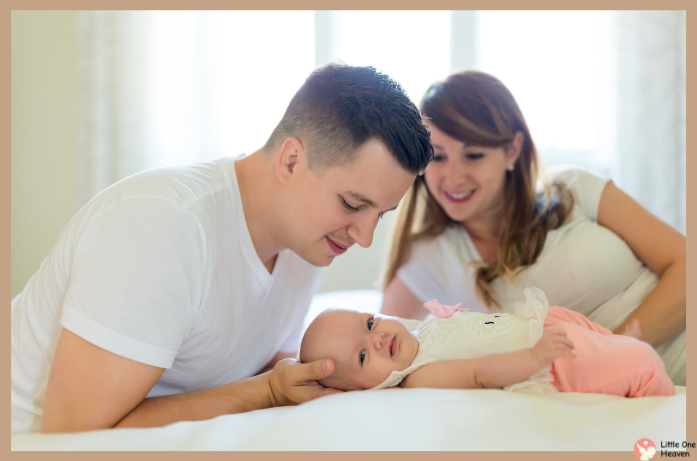
The arrival of a baby is often described as one of the happiest and most life-changing moments for any couple. Your home suddenly fills with love, laughter, and a new sense of purpose.
But along with this joy comes a completely new set of responsibilities, routines, and adjustments.
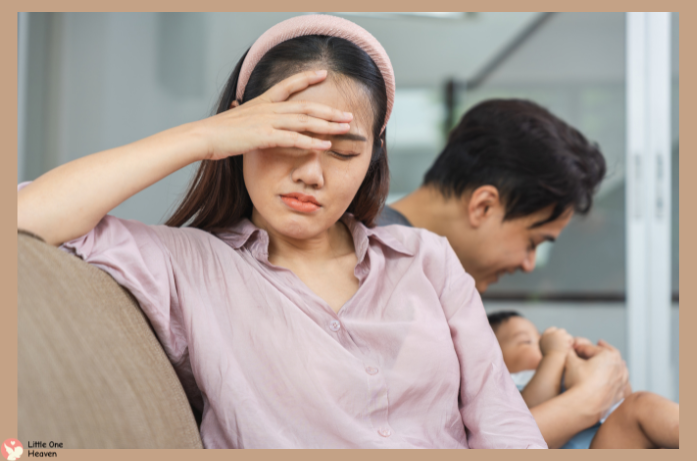
During this transition, many couples begin to experience relationship problems after having a baby that they never expected. The relationship that once felt effortless may suddenly feel strained. Conversations become shorter, misunderstandings increase, and emotional distance can slowly grow.
If you’ve been wondering why relationships change after having a baby, it’s important to know that this is very common. It doesn’t mean something is wrong, it simply means your relationship is adjusting to a major life change.
Why Do Couples Struggle After Having a Baby?
This phase often brings unexpected emotional and practical challenges. Many couples experience marriage problems after having a baby, not because their love has changed, but because their responsibilities, expectations, and daily routines have completely shifted. Understanding these changes is the first step toward building a stronger relationship.

1. The “Roommate” Syndrome – When Partners Start Feeling Like Co-Workers
Before the baby, you were partners in love. There were date nights, long conversations, and dreams about the future, everything felt easy and natural.
But after the baby arrives, the entire focus shifts to one thing: the baby.
Conversations slowly revolve around diapers, feeding schedules, doctor visits, and daily responsibilities. Without even realizing it, many couples begin to feel less like partners and more like roommates, simply managing life together rather than enjoying it together.
Here are a few simple tips that can help couples reconnect:
• Set aside daily connection time.
Spend 15–20 minutes every day talking to each other without discussing the baby, chores, or responsibilities. This helps you reconnect as partners, not just parents.
• Plan a small weekly “home date.”
It doesn’t need to be fancy. Even sitting together with a cup of tea or watching a movie after the baby sleeps can create meaningful moments.
• See each other beyond the parenting roles.
Remember that you are not only “mom” and “dad, you are partners who still need emotional connection and appreciation.
• Focus on small gestures.
Simple acts like asking about each other’s day, sharing a hug, or expressing gratitude can help rebuild closeness.
When these small efforts are practiced consistently, emotional warmth and connection can slowly return to the relationship.

2. Sleep Deprivation – Less Sleep, More Tension
For new parents, sleep quickly becomes a luxury rather than a routine. Nights are often interrupted by feeding, diaper changes, and soothing the baby, leaving both partners physically and mentally exhausted.
When your body is tired, your mind becomes more sensitive. Small issues can feel bigger than they actually are, and even a simple comment may sound like criticism. This is one of the most common reasons why tension increases between couples after a baby arrives.
This is one of the most common reasons behind new parents relationship issues, where exhaustion starts affecting communication and emotional connection.
How to Fix It
The key is not to eliminate exhaustion completely, that’s not always possible, but to manage it together. Try dividing night responsibilities in a way that works for both of you, such as taking turns or working in shifts.
Whenever the baby sleeps, give yourself permission to rest instead of immediately jumping into chores. Your energy and mental well-being are just as important as completing tasks.
If you have support from family or close friends, don’t hesitate to accept help. Even a short break can make a big difference in your mood and patience.
Above all, remind yourself that your partner is not the problem, exhaustion is. When you understand this, it becomes easier to respond with empathy instead of frustration.
3. The “Who Is Doing More?” Comparison Trap
“I stayed up all night.”
“I worked all day.”
These thoughts are very common for new parents. Without even realizing it, couples can start comparing who is doing more and who is more tired.
But the truth is, parenting is not a competition. Both partners are contributing in different ways, and both roles come with their own challenges and pressures. When comparison begins, it slowly creates frustration, resentment, and emotional distance.
When comparison begins, it slowly creates frustration, resentment, and emotional distance, leading to common relationship after baby problems that many couples struggle to understand.
How to Fix It
Instead of focusing on who is doing more, try shifting your mindset toward appreciation. Even a small acknowledgment of your partner’s effort can make a big emotional difference.
Make it a habit to say “thank you” for everyday things, whether it’s taking care of the baby, managing work, or handling household tasks. These small words help build respect and understanding.
Most importantly, remind yourselves that you are on the same team. It’s not “me versus you,” it’s “we” handling this journey together.
When couples adopt a team mindset, the pressure reduces, and the relationship becomes stronger and more supportive.
4. Emotional & Physical Changes After Baby
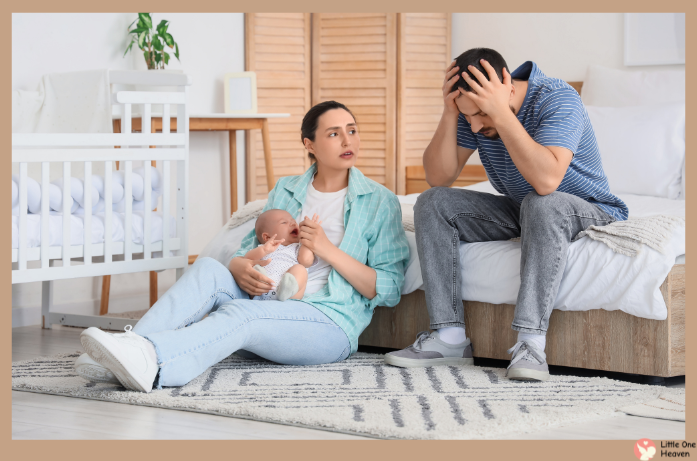
After a baby arrives, both partners go through significant changes, physically, emotionally, and mentally.
For mothers, hormonal shifts, body changes, and recovery from childbirth can bring mood swings, fatigue, and emotional ups and downs. According to the American College of Obstetricians and Gynecologists, hormonal changes during the postpartum period can strongly affect a mother’s emotional well-being and mental health, At the same time, fathers may feel a different kind of pressure, taking on financial responsibilities, supporting their partner, and trying to stay strong for the family.
The challenge begins when these feelings remain unspoken. When both partners are silently dealing with their own struggles, misunderstandings and emotional distance can slowly grow.
How to Fix It
Open and honest communication becomes essential during this phase. Instead of blaming each other, try expressing your feelings calmly and clearly. For example, saying “I feel overwhelmed” creates understanding, while “You never help” can lead to conflict.
Creating a safe space where both partners feel heard and supported can make a big difference.
And if things start to feel too heavy or difficult to manage alone, seeking help from a counselor or professional is completely okay. It shows awareness and strength, not weakness.
Understanding and supporting each other during this phase can turn a challenging time into an opportunity for deeper connection.
5. Intimacy Changes After Baby
After having a baby, it’s very common for physical closeness to slow down. Between sleepless nights, physical recovery, and constant responsibilities, both partners may feel too tired or emotionally drained to focus on intimacy.
This change can sometimes create confusion or distance, especially if it’s not openly discussed. But it’s important to understand that this phase is natural and temporary.
Also, intimacy is not only about physical connection, it’s about emotional closeness, comfort, and feeling valued by your partner.
How to Fix It
Instead of putting pressure on physical intimacy, start by rebuilding emotional connection. Small gestures like a warm hug, holding hands, or sending a thoughtful message can make your partner feel loved and appreciated.
Take time to connect in simple ways, talk, listen, and be present with each other. These moments slowly rebuild trust and closeness.
Most importantly, allow intimacy to grow naturally, without pressure or expectations. When both partners feel emotionally safe and supported, physical closeness often follows on its own.
Final Thoughts
A baby doesn’t break a relationship, it simply tests it in new and unexpected ways. The transition into parenthood brings changes that can feel overwhelming, but it also offers an opportunity to grow stronger together.
Many couples face marriage problems after baby, but with patience, communication, and mutual support, these challenges can be managed in a healthy way. Learning how to manage relationship after baby is not about perfection, it’s about understanding, adapting, and supporting each other through change.
This phase is not permanent. As your baby grows, routines slowly become more stable, and both partners begin to adjust to their new roles with more confidence and understanding.
What matters most during this time is perspective. Instead of seeing each other as the source of stress, remind yourselves that you are on the same side, facing the same challenges.
You are not against each other, you are a team.
When couples choose patience over frustration, understanding over blame, and partnership over competition, parenting becomes not just easier, but more meaningful and beautiful.
FAQs
Q1. Are relationship problems after a baby normal?
Yes, this is very common due to new responsibilities, lack of sleep, and emotional changes.
Q2. How can couples improve bonding after a baby?
By communicating regularly, appreciating each other, and spending small moments of quality time together.
Q3. Is reduced intimacy normal after a baby?
Yes, it’s a natural and temporary phase. Emotional connection matters most during this time.
Q4. When should couples seek professional help?
If conflicts increase, communication breaks down, or emotional distance continues, it’s best to consult a professional.