There’s something truly special about watching your child completely lost in their own little world of play… stacking blocks into a tall tower, pretending to cook in a tiny kitchen, or chatting happily with their favorite toy.
As a mom, I’ve had those quiet moments where I pause and wonder, do these small, everyday moments really matter?
And the answer is… they matter more than we often realize.
Because how kids learn through play isn’t just a sweet idea, it’s one of the most natural and powerful ways children grow. Through play, they slowly begin to explore, understand, and make sense of the world around them.
It may look simple from the outside. Just play. Just fun.
But inside your child’s mind, so much is happening. They’re thinking, imagining, solving little problems, and even learning how to understand and express their feelings.
And the most beautiful part?
They don’t even know they’re learning.
They’re just being children, curious, joyful, and free.
So let’s gently explore why these playful moments matter so deeply… and how, in the simplest ways, you can support your child with love and ease.
What Does It Mean: How Kids Learn Through Play?
When we talk about how kids learn through play, we’re really talking about learning in its most natural, gentle form, without pressure, without expectations, and without forcing anything.
For children, play isn’t just something they do to pass time… it’s actually how they make sense of the world.
Through play, your child is:
- Exploring new ideas in their own way
- Testing their creativity without fear of being wrong
- Slowly understanding their feelings
- Learning how to connect with others
And the beautiful part is, it all happens so effortlessly.
Unlike structured lessons or worksheets, play allows children to move at their own pace. There’s no rush, no right or wrong, just curiosity leading the way.
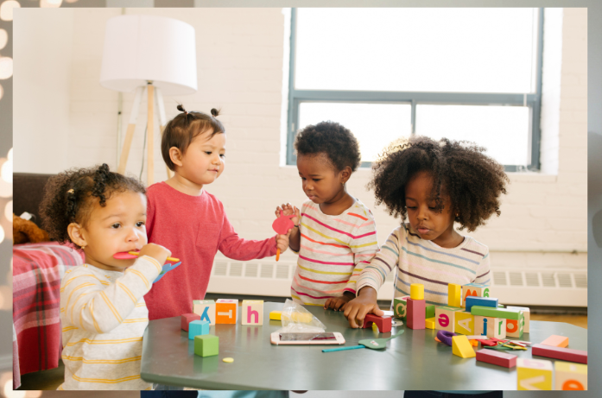
Think about a simple moment… your child stacking blocks. When the tower falls, it may look like nothing to us. But for them, it’s a whole learning experience. They’re discovering balance, practicing patience, and understanding cause and effect.
And when they pick up those blocks and try again?
That’s not just play anymore… that’s resilience quietly growing inside them.
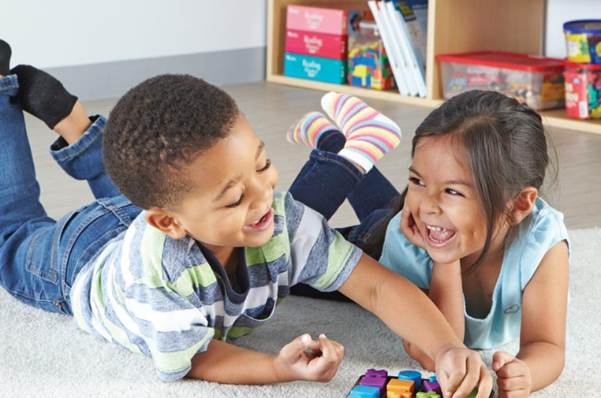
Why Play Is So Important for Child Development
As parents, it’s so easy to feel like we should always be teaching our children something, numbers, letters, good habits, everything at once. I’ve felt that pressure too.
But over time, I’ve realized something comforting…
Play is already doing that job, quietly and naturally. In fact, play-based learning is one of the most effective ways to support your child’s overall development without pressure or stress.
The American Academy of Pediatrics’ Power of Play resource explains that play helps children build important cognitive, social, emotional, and language skills while supporting healthy brain development and stronger parent-child relationships.
1. Builds Strong Brain Development
When your child is playing, their brain is actually very busy behind the scenes.
Simple activities like puzzles, building blocks, or pretend games are helping them think, remember, and figure things out on their own. They’re learning how to solve little problems, stay focused, and try again when something doesn’t work.
It’s amazing to see how much learning is happening… even when it just looks like fun.
2. Supports Emotional Growth
Have you ever noticed your child pretending to be a teacher, a parent, or even acting out a small situation with their toys?
That’s not just cute, it’s meaningful.
Through these little role plays, children are trying to understand their feelings and experiences. They’re learning how to deal with frustration, how to express happiness, and even how to make sense of things they don’t fully understand yet.
Play gives them a safe, gentle space to feel everything, without fear or pressure.
3. Encourages Social Skills
When children play with others, siblings, friends, or even you, they start learning important life skills without even realizing it.
They learn how to share, how to wait for their turn, and how to communicate what they want or feel.
These small moments during playtime slowly build confidence and teach them how to connect with others in a kind and understanding way.
4. Boosts Creativity and Imagination
One of my favorite things to watch is how children can turn the simplest things into something magical.
A cardboard box becomes a rocket.
A spoon turns into a microphone.
That’s the beauty of a child’s imagination.
Play gives them the freedom to create their own little world, where anything is possible. And this creativity doesn’t just stay in childhood, it helps them think differently, solve problems, and express themselves as they grow.
Sometimes, we think learning has to look serious.
But in reality, the most meaningful learning often happens in laughter, in mess, and in those quiet little moments of play.
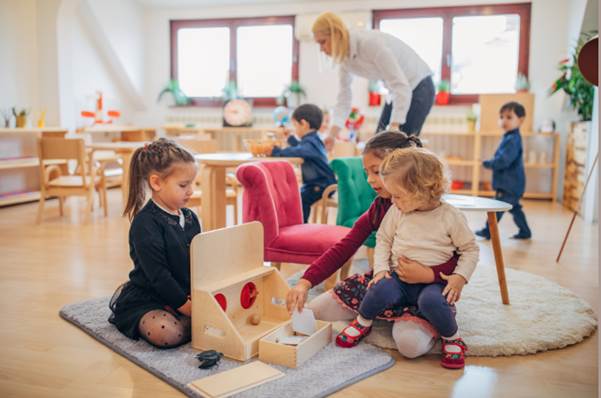
How Do Kids Learn Through Play in Everyday Life?
Many parents wonder, how do kids learn through play when it just looks like simple fun?
I used to think the same sometimes… watching my child laugh, run around, or talk to toys, it didn’t always look like learning.
But the truth is, learning is gently hidden inside those playful moments.
It’s happening quietly, naturally, and in ways that feel joyful to your child.
Let’s look at some everyday examples you might already be seeing at home:
Pretend Play
When your child plays “house,” “doctor,” or even pretends to be a teacher, they’re doing more than just acting.
They’re trying to understand the world around them, how people behave, how situations work, and how to respond to different emotions.
It’s their way of making sense of real life in a safe and simple way.
Building Games
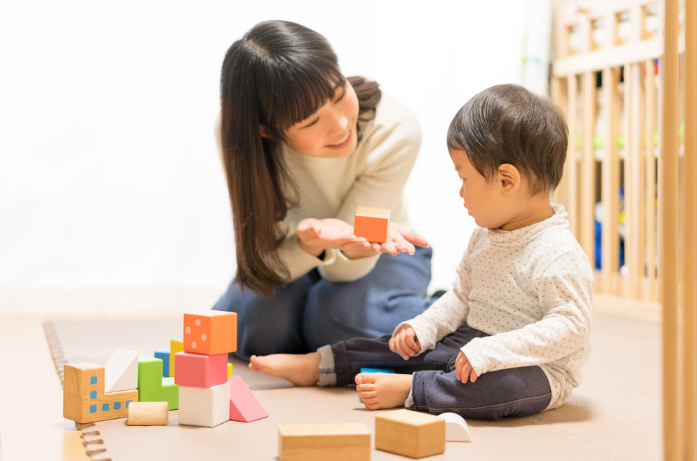
Those blocks scattered on the floor? They’re little learning tools.
As your child builds and rebuilds, they’re learning how things fit together, how to stay patient, and how to solve problems when something doesn’t go as planned.
And when the tower falls and they try again, that’s confidence growing.
Outdoor Play
Running, jumping, climbing… it may just look like your child is burning energy.
But in reality, they’re building strength, improving balance, and learning how their body moves.
Outdoor play also gives them a sense of freedom that helps refresh their mind.
Art and Craft
When your child picks up crayons or starts drawing on paper, it’s not just about colors.
They’re improving their hand control, expressing their thoughts, and using their imagination in their own unique way.
Every scribble has meaning, even if we don’t fully understand it.
So the next time you see your child deeply lost in play…
pause for a moment and smile.
Because in that simple, joyful moment, your child is learning, growing, and discovering the world in the most beautiful way.
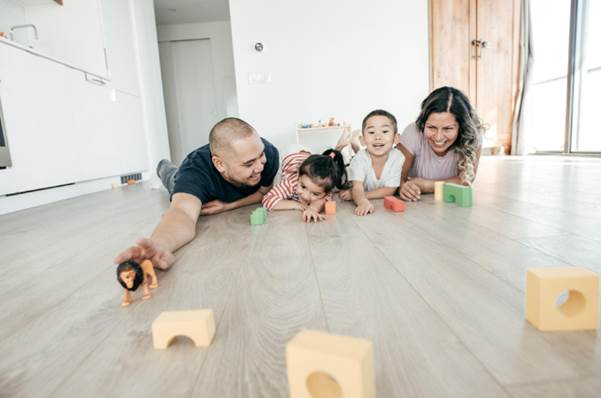
Types of Play That Help Children Learn
When we start understanding different types of play, it becomes easier to support our children in a way that feels natural, not forced.
And the best part? You’ll realize that your child is already doing most of this on their own.
1. Free Play
This is truly the heart of childhood.
No rules, no instructions, no “right way” to do things… just your child exploring whatever comes to their mind.
Sometimes they’ll create stories, sometimes they’ll repeat the same activity again and again, and that’s perfectly okay.
When you let your child lead, you’re giving their imagination the space to grow in the most beautiful way.
2. Guided Play
This is where you gently step in, but without taking over.
You might sit beside them, ask a few thoughtful questions, or suggest a small idea to keep their curiosity going.
Simple things like:
- “What do you think will happen next?”
- “Can we build something together?”
You’re not controlling the play, you’re just supporting it.
3. Physical Play
All that running, jumping, dancing, and playing outside?
It’s doing so much more than just tiring them out.
Physical play helps build strength, balance, and coordination. It also helps children release energy and feel happier and more relaxed.
4. Social Play
When children play with siblings, friends, or even cousins, they slowly learn how to be with others.
They learn how to share, how to wait, how to express themselves, and sometimes even how to handle small conflicts.
These little moments shape their social confidence over time.
How Parents Can Support Learning Through Play
The beautiful part of childhood?
You don’t need expensive toys or perfectly planned activities to help your child learn.
In fact, some of the most meaningful learning happens in the simplest, everyday moments… the ones we often overlook.
Here are a few gentle ways you can support your child’s learning—without pressure, without stress:
1. Give Them Time and Space
It’s easy to feel like we should always guide our children or keep them busy.
But the truth is… they don’t always need direction.
Sometimes, when a child says “I’m bored,” it’s not a problem, it’s an opportunity.
That quiet space is where their imagination slowly wakes up.
They start creating their own games, their own ideas… their own little world.
And that’s where real learning begins.
2. Follow Their Lead
There will be days when your child wants to play the same game or use the same toy again and again.
It might feel repetitive to you, but for them, it’s something much deeper.
They’re practicing.
They’re understanding.
They’re building confidence in something they enjoy.
So instead of redirecting them, gently trust their choice.
They know what they need in that moment.
3. Be Present (Even Quietly)
You don’t always have to sit down and actively play.
You don’t need to entertain them all the time.
Sometimes, just being there… sitting nearby… watching them with a soft smile…
That’s enough.
Your quiet presence makes them feel safe, seen, and supported.
And that emotional safety is where true learning grows.
4. Ask Open-Ended Questions
Instead of giving quick answers or instructions, try to open little doors for conversation.
Simple questions like:
• “What are you making?”
• “Tell me about your game.”
These small moments invite your child to think, imagine, and express themselves.
And slowly, you’ll notice, they start sharing more, explaining more, and feeling proud of their ideas.
5. Keep It Simple
It’s so easy to think that better toys mean better learning.
But honestly?
Children don’t need much.
Some of the most magical play, and learning, comes from the simplest things:
• An empty box becoming a house, a car, or even a rocket
• Kitchen utensils turning into tools for pretend cooking
• Paper and crayons opening a world of endless creativity
It’s never about how much you have…
It’s about how freely your child can explore.
At the end of the day, it’s not about doing more.
It’s about slowing down.
Being present.
Trusting your child.
And giving them the freedom to learn, grow, and explore in their own joyful, beautiful way.
And that… is more than enough
Signs Your Child Is Learning Through Play
Sometimes, as parents, we expect learning to look very obvious… like writing neatly, reading aloud, or answering questions correctly.
But when it comes to play, learning is much softer… much quieter.
It doesn’t always shout for attention.
In fact, some of the most beautiful learning moments happen in ways we almost miss, unless we slow down and truly watch our child.
Here are some gentle signs that show your little one is learning through play:
They Try to Solve Things on Their Own
You might notice your child struggling a bit with a toy, a puzzle, or even something that breaks apart.
Instead of immediately asking for help, they try again… and again… in their own little way.
That small effort? It’s actually a big step.
It shows they’re learning how to think, problem-solve, and trust their own abilities.
They Repeat the Same Activity Again and Again
Yes, it might feel like they’re doing the same thing over and over.
But in their world, it’s not repetition, it’s practice.
Each time they stack those blocks or play the same game, they’re improving their skills, building confidence, and understanding things more deeply.
What looks “boring” to us is actually powerful learning for them.
They Start Using New Words or Ideas
Have you ever heard your child suddenly say a new word and wondered, “Where did they learn that?”
A lot of times, it comes from play.
Whether they’re pretending, exploring, or interacting with others, they naturally pick up language and ideas.
These little moments are so special, they show how effortlessly children learn when they’re engaged.
They Use Their Imagination Freely
When your child turns a spoon into an airplane… or creates a whole story with their toys…
That’s not “just playing.”
That’s creativity, thinking, and emotional expression all coming together.
Imaginative play helps them understand the world, express feelings, and build their own little universe safely.
They Stay Focused Without Being Told
You might notice your child deeply involved in something, completely lost in their play.
No reminders, no instructions… just pure focus.
That kind of attention is a beautiful sign that their brain is engaged and learning in a meaningful way.
They Show Excitement When They Figure Something Out
That tiny smile… that spark in their eyes… that moment when they say, “I did it!”
These are the moments that truly matter.
It shows they’re not just playing, they’re learning, achieving, and feeling proud of themselves.
These signs may look small from the outside…
But they carry something really big inside them.
They show that your child is learning, growing, and understanding the world in their own unique way.
And the most comforting part?
It’s all happening naturally…
Without pressure…
Just through play.
Common Mistakes Parents Should Avoid
As parents, we always want to do what’s best for our children. We try to guide them, teach them, and support them in every possible way.
But sometimes, without even realizing it, we may interrupt their natural learning, especially during play.
Here are a few gentle reminders that can help you step back and let your child grow more freely:
1. Don’t Over-Structure Playtime
It’s easy to feel like play should have a purpose or a plan.
But when there are too many rules or instructions, it can take away the joy and creativity from it.
Children learn best when they are free to explore in their own way, even if it looks messy or unorganized.
2. Avoid Constant Correction
We naturally want to correct our children when something isn’t “right.”
But during play, perfection doesn’t matter.
Let them try, make mistakes, and discover things on their own. That’s where real learning happens.
Sometimes, stepping back teaches them more than stepping in.
3. Don’t Compare Your Child
It’s very common to compare, especially when we see other children doing things differently or faster.
But every child has their own pace, their own way of learning, and their own strengths.
Trust your child’s journey. They are exactly where they need to be.
4. Limit Screen Time
Screens are a part of modern life, and not all screen time is bad.
But nothing truly replaces hands-on, real-world play.
Touching, building, running, imagining, these experiences help children learn in deeper and more meaningful ways.
At the end of the day, it’s not about being a perfect parent.
It’s about being a present one… allowing your child the space to explore, learn, and simply enjoy being a child.
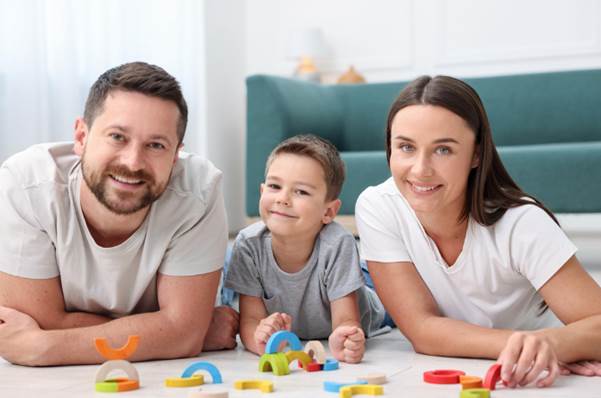
A Gentle Reminder for Every Parent
If you’ve ever had that quiet thought, Am I doing enough for my child, you’re not alone.
So many of us feel this way sometimes.
But take a deep breath for a moment… and remind yourself, you truly are doing enough.
By simply giving your child the freedom to play, explore, and enjoy their childhood, you’re already giving them something incredibly valuable.
Learning doesn’t always have to come from books, worksheets, or structured lessons.
Sometimes, the most meaningful learning happens in the simplest moments—
in laughter that fills the room,
in imaginative little stories,
and in those calm, messy moments on the floor with toys scattered all around.
It may not always look like “learning” to us…
but to your child, it’s everything they need to grow, understand, and feel safe in their own little world.
FAQ: How Kids Learn Through Play
1. How do kids learn through play?
Kids learn by exploring, imagining, and solving problems while playing.
2. Why is play important for children?
Play helps in brain development, emotions, and social skills.
3. What is play-based learning?
It is learning through fun activities instead of formal teaching.
4. What types of play help children learn?
Free play, pretend play, physical play, and social play.
5. At what age is play important?
Play is important from birth and especially in early childhood.
6. How can parents support play learning?
Give time, space, and let the child lead the play.
7. Is play better than study for kids?
For young kids, play is the best way to learn.
8. How do I know my child is learning while playing?
They show curiosity, repeat activities, and stay focused.
Conclusion: Play Is Not a Break from Learning, It Is Learning
When we truly understand how kids learn through play, something inside us gently shifts.
We stop rushing so much.
We stop worrying about doing everything perfectly.
And we begin to see childhood for what it really is, a beautiful, slow journey… not a race to reach milestones.
So the next time your child pulls you into their little world of play, or you notice them quietly lost in their own imagination…
Just pause for a moment.
Smile.
Be present.
Because in those simple, happy moments, something meaningful is unfolding.
Your child is not just playing…
They are learning, growing, discovering, and slowly becoming who they are meant to be.
And honestly, there’s nothing more beautiful than that.
If this guide helped you understand how kids learn through play, you can explore more simple, real, and gentle parenting tips here: totadvice
Because sometimes, the most meaningful learning happens in the simplest moments
Related Articles
Looking for more ways to support your child’s learning, creativity, and development through play?
• The Importance of Sensory Play for Kids and Early Development
• Princess Pretend Play: Educational Benefits for Growing Minds
• Outdoor Activities to Enjoy With Your Child in Every Season
• Outdoor Games for Kids: Development, Health, and Social Skills Benefits