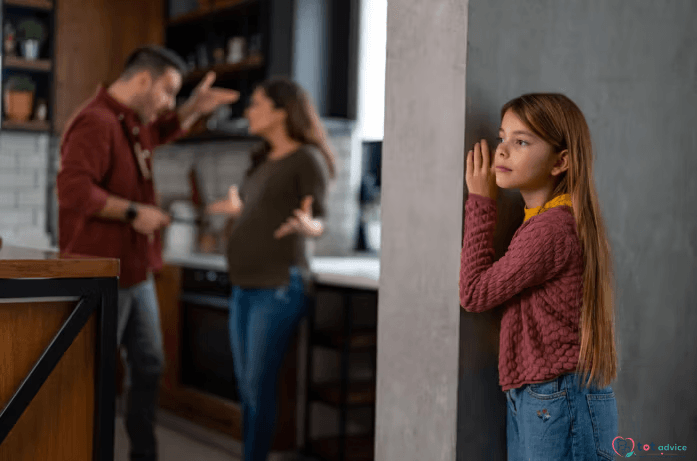
When we talk about parenting, we often focus on the big things, feeding, schooling, routines. But sometimes, it’s the quiet, emotional moments that leave the deepest marks. The effects of parents fighting in front of child can be more significant than we realize. Even when arguments seem small or harmless to us, little eyes and hearts are always watching, listening, and feeling.
The truth is, as parents, we’re only human. There are days when we feel exhausted, stressed, or overwhelmed, and disagreements are a natural part of any relationship. But when we begin to understand how these moments can affect our children, it gently encourages us to pause, reflect, and respond with a little more patience and care. Not perfectly, but more mindfully, with love leading the way.
Understanding the Effects of Parents Fighting in Front of Child
Children may not always understand the exact words we use during arguments, but they can deeply feel the emotions behind them. A raised voice, a long silence, or a look of anger can quietly create confusion and fear in their little minds.
The effect of parents fighting on child isn’t just about that one moment, it’s also about how often it happens, how intense it feels, and whether things are gently resolved afterward.
For a child, home is their safe and comforting space. When that environment starts to feel tense or uncertain, it can slowly shake their sense of security in ways they may not be able to express.
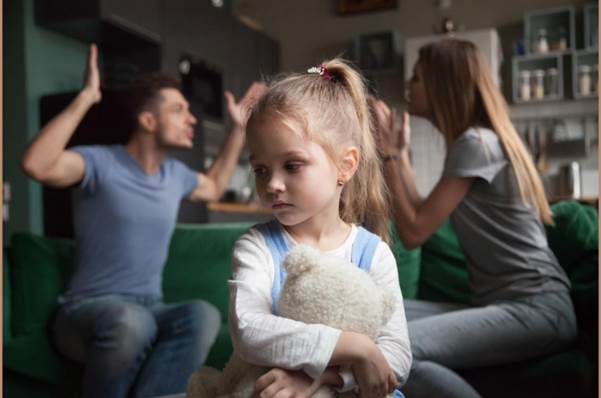
How Children Perceive Parental Conflict
They Often Blame Themselves
Young children, especially, see the world through a very personal lens. When they hear their parents arguing, a quiet thought may cross their mind, “Is this because of me?”
They may not say it out loud, but that feeling of guilt can sit heavily in their little hearts.
They Feel Fear and Insecurity
Even when the argument has nothing to do with them, the tone of voices or tension in the room can make a child feel uneasy. They might not understand what’s happening, but they can sense that something isn’t right. Over time, this can lead to feelings of fear, anxiety, or a need to stay extra close for comfort.
They Learn From What They See
Children are always watching us, even in moments we don’t notice. The way we handle disagreements becomes a quiet lesson for them. It shapes how they may deal with conflict in their own relationships later on, playing an important role in their emotional growth and overall child development.
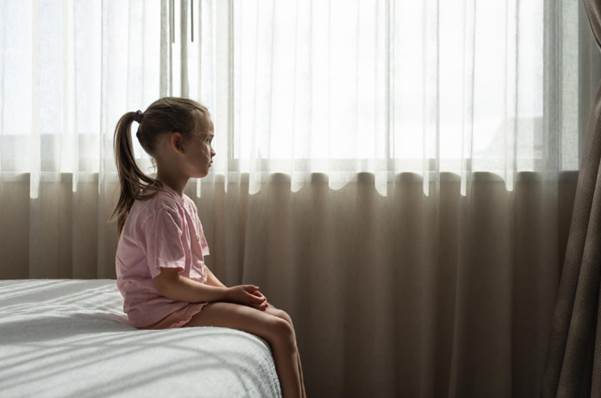
The Emotional Effect of Parents Fighting on Child
Increased Anxiety and Stress
When children are often exposed to conflict, it can make them feel uneasy inside. They may start to feel on edge without really knowing why. Little things might start to worry them more than usual, and they may become extra sensitive or easily startled. Research from the Center on the Developing Child at Harvard University also explains how ongoing stress in childhood can affect emotional development and long-term well-being.
Changes in Behavior
Every child reacts differently. Some may become quiet, keeping their feelings to themselves, while others might express it through anger or frustration. You might notice sudden mood changes or behavior that feels unfamiliar.
It’s important to remember, these aren’t “bad” behaviors. They’re simply your child’s way of showing that something feels overwhelming inside.
Difficulty Expressing Emotions
When a child grows up around frequent arguments, it can become harder for them to understand their own feelings. They may not know how to put their emotions into words or express them in a calm way.
Over time, this can affect how they handle their feelings, both at home and in the world around them.
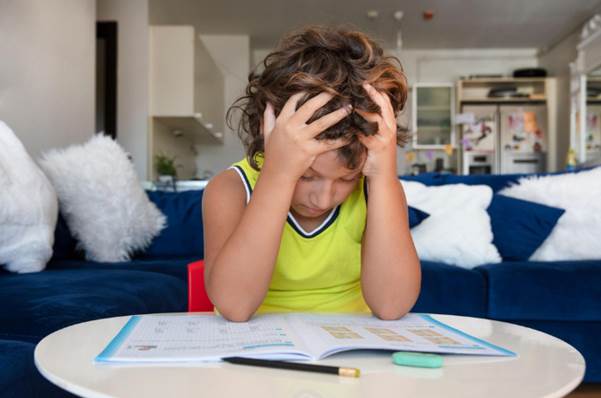
The Effect of Parents Fighting on Child Development
In the early years, a child’s emotional world is still taking shape. The experiences they have at home quietly influence how they think, feel, and connect with others. The effect of parents fighting on child development can show up in gentle but noticeable ways over time.
Social Challenges
Children who grow up around frequent conflict may find it harder to trust others. They might feel unsure in friendships or become uncomfortable when disagreements happen. Sometimes, they may avoid conflict completely, even in situations where it’s healthy to speak up.
Academic Impact
When a child carries emotional stress from home, it can affect their ability to focus and learn. Their mind may drift back to what they saw or heard, making it harder to concentrate in school or stay engaged in activities.
Emotional Regulation Issues
Children learn how to handle emotions by watching us. When they’re often exposed to tension, they may struggle to calm themselves during difficult moments. You might notice bigger reactions to small situations, simply because they’re still learning how to manage those feelings inside.
When Arguments Become More Harmful
Not every disagreement between parents is harmful. In fact, when handled calmly and with respect, it can actually teach children that conflicts can be resolved in a healthy way. But there are certain situations where arguments can become more damaging for a child’s emotional well-being.
Frequent and Intense Fighting
When arguments happen often or become too intense, it can create a constant sense of tension at home. Children may feel like they’re walking on eggshells, unsure of when the next conflict might happen. Over time, this can make their environment feel stressful instead of safe.
Name-Calling or Harsh Words
Words have a powerful impact, especially on young minds. When children hear hurtful or disrespectful language, it can shape how they understand relationships. They may begin to think that this is how people are supposed to speak to each other, which can affect their own behavior later on.
Physical Aggression
This is one of the most harmful forms of conflict a child can witness. It can leave deep emotional scars and create fear that stays with them for a long time. In such situations, a child’s sense of safety can be seriously affected, making it even more important to seek support and create a calmer, more secure environment.
A Special Concern: Smoking, Stress, and Conflict
Sometimes, arguments at home don’t happen on their own, they come along with other stress factors. In some families, habits like smoking can also be part of the environment, and the combined effects of parental conflict and smoking can feel even more overwhelming for a child can feel even heavier for a little one.
In such situations, children may quietly experience:
- A higher level of emotional stress
- Exposure to unhealthy ways of coping with difficult feelings
- Confusion about how to handle their own emotions
It’s important to remember, this isn’t about blaming yourself or feeling guilty. It’s about becoming aware of what your child might be feeling and gently working toward small, positive changes. Even the smallest step toward a calmer and healthier environment can make a big difference in your child’s world.
Signs Your Child May Be Affected
Children don’t always have the words to express what they’re feeling inside, but their behavior often gives us little clues. As parents, when we slow down and observe, we can gently understand what they might be going through.
You may notice small changes like:
- Trouble sleeping or frequent nightmares
- Wanting to stay close all the time (sudden clinginess)
- Mood swings or getting upset more easily
- Losing interest in things they once enjoyed
- Changes in eating habits
These signs are not something to feel guilty about. They don’t mean you’ve done anything wrong. They’re simply your child’s quiet way of asking for a little extra comfort, reassurance, and emotional support during this time.
What You Can Do as a Parent
Here’s something I want you to hold close to your heart, it’s never too late to create a calmer, more peaceful space for your child. Parenting is a journey of learning, and even small changes can make a big difference.
1. Pause Before Reacting
When emotions start to rise, try to take a slow breath before responding. That tiny pause can help you speak more calmly and prevent things from getting too intense.
2. Move Arguments Away From Children
If you feel a disagreement building, gently step away and continue the conversation in private. Protecting your child from those moments helps keep their emotional space safe.
3. Show Healthy Conflict Resolution
It’s okay for children to know that disagreements happen. But what matters most is how they see you handle them. When they witness calm conversations, understanding, and apologies, they learn that conflict can be resolved with respect and care.
4. Reassure Your Child
After a disagreement, take a moment to comfort your child. Simple, loving words can ease their worries:
“Mom and Dad had a disagreement, but we are okay. We love each other, and we love you very much.”
This reassurance helps them feel safe again.
5. Spend Quality Time Together
Little moments of connection, reading a bedtime story, cuddling, or just sitting and talking—can gently rebuild your child’s sense of security and closeness.
6. Work on Communication as a Couple
Sometimes, small improvements in how you and your partner communicate can bring a big sense of calm into your home. It doesn’t have to be perfect, just a little more patience and understanding can create a warmer environment for everyone.
Learning how to support each other as parents can also reduce stress and create a more peaceful environment for the whole family.
Gentle Reminder: You Don’t Have to Be Perfect
As moms, it’s so easy to carry a quiet sense of guilt when we feel like we’ve made a mistake. But the truth is, parenting was never meant to be perfect. It’s a journey of learning, growing, and loving through both the good days and the hard ones.
Every home has moments of stress and misunderstanding. What truly matters is what comes after, how we pause, reconnect, and gently make things right again.
And just the fact that you’re thinking about this, that you’re trying to understand and do better, already shows how deeply you love and care for your child.
Creating a More Peaceful Home Environment
A peaceful home doesn’t mean there are no disagreements or noise, it simply means there is respect, understanding, and emotional safety in the way we interact with each other.
You can gently start building this kind of environment with small, mindful habits like:
- Speaking softly, even when you don’t agree
- Taking a short break when emotions begin to feel overwhelming
- Choosing kind, respectful words in everyday conversations
Finding a healthy balance between your relationship and parenting responsibilities can also help reduce unnecessary conflict and create a calmer home environment.
These little changes may seem simple, but over time, they create a warm and comforting space where your child feels safe, loved, and secure.
FAQ:
1. Is it harmful if parents fight in front of a child?
Occasional disagreements are normal, but frequent, loud, or intense fighting can make a child feel scared, anxious, or unsafe at home.
2. Do children blame themselves when parents argue?
Yes, many young children may quietly think the fight happened because of them, even when it has nothing to do with them.
3. Can parents fighting affect child development?
Yes, regular conflict at home can affect a child’s emotional development, behavior, focus in school, and how they handle relationships later.
4. What signs show my child is affected by parental conflict?
A child may become clingy, quiet, angry, anxious, have sleep problems, nightmares, mood swings, or lose interest in things they once enjoyed.
5. What should I say to my child after an argument?
You can gently say, “We had a disagreement, but you are safe. This is not your fault, and we love you very much.”
6. Can children recover after seeing parents fight?
Yes. Children can feel secure again when parents offer reassurance, spend quality time with them, apologize when needed, and create a calmer home environment.
7. How can parents avoid fighting in front of children?
Try pausing before reacting, lowering your voice, taking a short break, and discussing serious matters privately away from your child.
8. Is calm conflict okay for children to see?
Yes, respectful disagreement can teach children that problems can be solved with patience, kindness, and healthy communication.
Final Thoughts: Your Love Matters More Than Anything
If you’ve ever found yourself worrying about the effects of parents fighting in front of child, take a gentle breath, you’re not alone in feeling this way. So many parents go through these moments, and it doesn’t make you any less loving or capable.
The truth is, children are incredibly strong and adaptable. They don’t need a perfect home, they just need a home filled with love, warmth, and reassurance.
What matters most is that they feel:
- Safe
- Heard
- Reassured
- Loved
And the beautiful thing is, you’re already giving them so much of that, every single day.
On the days when everything feels a little overwhelming, just pause for a moment. Look at your child. Notice how they come to you for comfort, how they trust you without hesitation.
That’s your quiet reminder.
You are their safe place.
You are their calm in the storm.
And truly… you are doing better than you think.
If you’d like more gentle parenting tips and emotional support, you can explore helpful resources on TotAdvice, a space created to support parents through every stage of their journey.