
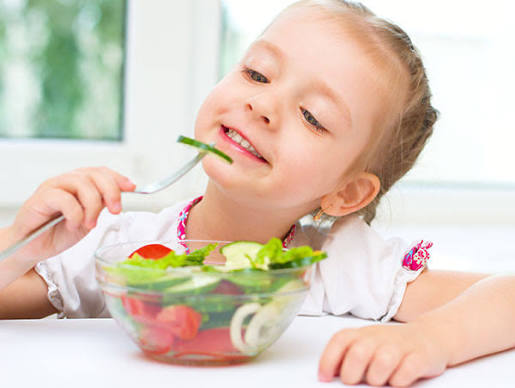
How to encourage a 6-year-old to eat green vegetables is a question many parents ask when broccoli, peas, or spinach are rejected before the first bite. Gentle encouragement, repeated exposure, and creative preparation can gradually help green foods feel more familiar.
If this sounds familiar, you are not alone. Many children are cautious about vegetables because of their taste, smell, colour, or texture. The good news is that gentle encouragement, repeated exposure, and a little creativity can gradually help your child become more comfortable with green foods.
Why Does My 6-Year-Old Refuse Green Vegetables?
Children may reject green vegetables for several reasons. Some green vegetables, including broccoli and Brussels sprouts, have bitter flavours that certain children may find particularly noticeable or unfamiliar.
Texture can also make a difference. Your child might dislike soft peas but enjoy crunchy sugar snap peas. They may refuse cooked spinach while happily eating a few fresh spinach leaves in a sandwich.
At six years old, children are also developing independence. At six, children are also developing independence and may have strong preferences about what, when, and how they eat.
Turning every rejected vegetable into an argument may make your child even more determined to avoid it.

How to Encourage a 6-Year-Old to Eat Green Vegetables
The aim is not to force your child to clean their plate. Instead, focus on helping them explore vegetables in a calm and positive environment.
1. Begin With Very Small Portions
A large pile of broccoli can feel overwhelming to a reluctant eater. Start with one small floret, two peas, or a single cucumber slice.
A tiny portion makes tasting feel manageable. If your child wants more, you can always serve another helping.
Even touching, smelling, licking, or taking one bite of a new vegetable is progress. Becoming comfortable with unfamiliar food usually happens gradually.
2. Keep Offering Without Pressure
A child may need to see or taste a vegetable many times before accepting it. If spinach is refused today, that does not mean it will always be rejected.
Continue placing a small amount on the plate alongside foods your child already enjoys. Try not to beg, bribe, or demand a certain number of bites.
If your child eats vegetables away from home but refuses them at your table, it may help to understand why kids often eat better at daycare than at home. Routine, peer influence, and a lower-pressure setting can all affect how willing a child feels to eat.
You might simply say, “You don’t have to eat it, but it can stay on your plate.” This removes pressure while keeping the vegetable familiar.
3. Experiment With Different Textures
Sometimes children dislike the way a vegetable is prepared rather than the vegetable itself.
Try serving green vegetables in different ways:
- Roast broccoli until the edges are slightly crispy.
- Offer cucumber or celery sticks with a favourite dip.
- Blend a small amount of spinach into a fruit smoothie and let your child know what is in it.
- Add peas to rice, pasta, or soup.
- Serve green beans lightly steamed instead of very soft.
- Make courgette fritters or spinach-and-cheese muffins.
Ask your child which version they prefer. Giving them a voice can make them more willing to participate.
For more practical ways to serve vegetables in familiar meals, explore these easy and healthy dinner ideas for picky eaters. Many of the meal ideas can be adjusted for a 6-year-old by changing the portion size or texture.
4. Pair Vegetables With Familiar Foods
New foods often feel safer when they are served with something familiar. Add a small portion of vegetables next to pasta, potatoes, rice, chicken, or another food your child usually eats.
You can also pair green vegetables with a flavour they enjoy. Broccoli may become more appealing with grated cheese, while cucumber might taste better with hummus or yoghurt dip.
Using dips and sauces is not “cheating.” It can be a helpful bridge while your child becomes familiar with the vegetable itself.
5. Let Your Child Help in the Kitchen
Helping with shopping and food preparation gives children another low-pressure way to become familiar with vegetables.
A 6-year-old can:
- Wash lettuce or spinach leaves.
- Tear herbs into small pieces.
- Arrange cucumber slices on a plate.
- Sprinkle cheese over broccoli.
- Stir peas into rice.
- Choose one green vegetable at the supermarket.
- Help make a simple salad.
Your child may not eat the vegetable immediately, but touching, washing, and preparing it still builds familiarity.
6. Make Green Vegetables More Fun
Food does not have to look perfect, but a playful presentation can catch a child’s attention.
Arrange cucumber, peas, and broccoli into a funny face. Make “broccoli trees,” create a green snack plate, or give a dish a playful name such as “dinosaur salad” or “superhero peas.”
You could also organise a family taste test and rate vegetables according to crunchiness, colour, or flavour. Keep the activity relaxed rather than focusing on how much your child eats.
7. Eat Green Vegetables Together
Children learn by watching the adults around them. Let your child see you eating and enjoying vegetables without making a big performance.
You might say, “These green beans are crunchy,” instead of repeatedly telling your child that vegetables are healthy.
Avoid saying that you dislike a vegetable in front of your child, especially if they have not tried it. Eating vegetables together gives your child a chance to see them as a normal part of family meals.
8. Avoid Using Dessert as a Reward
Telling your child, “Eat your broccoli and then you can have dessert,” may work in the moment, but it can create an unhelpful message. It suggests that broccoli is the unpleasant task and dessert is the valuable prize.
As the parent, you decide what foods are offered and when meals and snacks happen; your child can decide whether and how much to eat from what is offered.
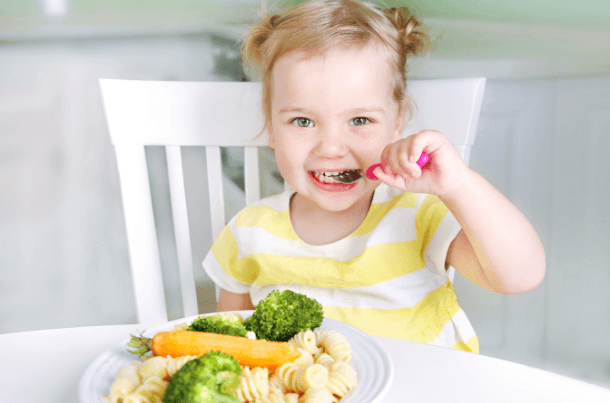
Green Vegetable Ideas for a Picky 6-Year-Old
If your child refuses one vegetable, try another. Green vegetables come in many different flavours and textures.
Child-friendly options include:
- Cucumber sticks
- Steamed or roasted asparagus
- Peas mixed into rice
- Roasted broccoli
- Spinach in an omelette
- Green beans with a mild dip
- Lettuce in a sandwich
- Courgette fritters
- Sugar snap peas
- Kale baked into crispy chips
Keep portions manageable and continue including familiar foods alongside less familiar vegetables.
Should You Hide Vegetables in Food?
Blending spinach into smoothies or adding courgette to pasta sauce can increase the variety of foods in your child’s diet. However, hidden vegetables should not be the only approach.
Try to serve some vegetables where your child can see them too. This helps them learn what different vegetables look, smell, and taste like.
You can also be honest about ingredients. For example, say, “This smoothie has banana, mango, and a little spinach.” Trust is important, particularly for children who already feel nervous about food.
What Parents Should Avoid
Mealtimes can quickly become stressful when everyone is focused on one uneaten vegetable. Try to avoid:
- Forcing your child to finish everything
- Punishing them for refusing food
- Comparing them with siblings or friends
- Calling them “fussy” in front of others
- Automatically preparing an entirely separate replacement meal after every refusal; instead, try to include at least one familiar food in the meal when practical.
- Showing disappointment when they do not eat
- Making vegetables the main topic of every meal
A calm response protects your child’s relationship with food and makes future tasting more likely.
When to Ask for Professional Advice
Selective eating is common during childhood, but speak with your child’s doctor or a qualified dietitian if your child eats an extremely limited range of foods, frequently gags or struggles to chew, loses weight, has low energy, experiences ongoing digestive symptoms, or becomes intensely distressed around meals.
You are concerned about your child’s growth or whether they are getting enough nutrients from their usual diet.
Professional guidance can help identify nutritional, sensory, oral-motor, or medical concerns and provide support that fits your child’s individual needs.
Frequently Asked Questions
How can I get my 6-year-old to eat green vegetables?
How many times should I offer a vegetable before giving up?
Should I force my child to take one bite of vegetables?
Is it okay to hide vegetables in my child’s food?
When should I worry about my child’s picky eating?
Final Thoughts
Helping a 6-year-old eat green vegetables is usually a gradual process. A child who refuses broccoli today may become more comfortable with it after seeing it prepared and served in different ways over time.
Keep portions manageable, include familiar foods, and make curiosity, not an empty plate, the goal. Calm, repeated opportunities to explore vegetables can help them become a more familiar part of family meals.
Looking for more simple and supportive parenting advice? Visit Tot Advice for practical tips to make mealtimes and everyday parenting feel a little easier.
Trusted Resources
- American Academy of Pediatrics / HealthyChildren, picky eating and healthy feeding habits
- CDC , healthy eating and nutrition during childhood
- NHS , fussy eating and helping children try different foods
Disclaimer
This article is intended for general educational and parenting information only and is not a substitute for personalised advice from your child’s pediatrician, registered dietitian, feeding specialist, or another qualified healthcare professional. Children’s eating habits, nutritional needs, growth, and sensory preferences can vary. Seek professional guidance if your child has difficulty chewing or swallowing, frequently gags, loses weight, has low energy, experiences persistent digestive symptoms, eats an extremely limited range of foods, or becomes intensely distressed around meals.
About the Author
Geeta Yogi writes practical, parent-friendly content about children’s nutrition, picky eating, healthy mealtime habits, development, and everyday parenting challenges. She focuses on gentle, realistic strategies that help families make food exploration feel calmer, more positive, and less stressful.