
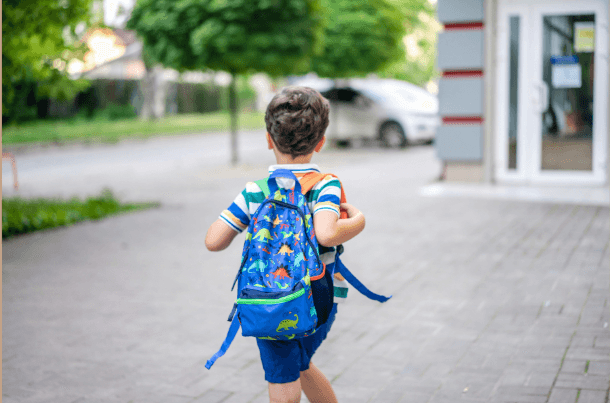
Child tired after starting school is a common concern when earlier mornings, classroom expectations, social interaction, and longer periods of concentration leave your child exhausted or emotional.
If your child is tired after the first days of school, it does not necessarily mean that something is wrong. Earlier mornings, new routines, classroom expectations, social pressure, homework, and hours of concentration require a great deal of mental and emotional energy. Home is often the place where children finally feel safe enough to release everything they have been holding in.
Thankfully, a few gentle changes can make the transition easier. These practical back-to-school energy tips can help families in Virginia Beach and Chesapeake create calmer afternoons, restore healthy routines, and give children the support they need to adjust.
Why Is My Child So Tired After Starting School?
A school day asks children to do much more than complete lessons. They must listen, remember instructions, manage their belongings, move between activities, solve social problems, follow rules, and control their emotions, often in a new environment.
Even positive experiences use energy. Meeting classmates, learning a new classroom routine, or trying a new activity can be enjoyable and still feel tiring. Younger children may not have the words to say, “My brain has had enough for today.” Instead, fatigue may appear as tears, irritability, silliness, refusal, or a sudden need to stay close to you.
Some parents and educators informally describe this pattern as “after-school restraint collapse.” It is not a medical diagnosis, but the phrase describes how some children may release pent-up emotions once they return to a familiar environment.
1. Make Sleep the First Priority
When a child is adjusting to school, sleep affects almost everything—energy, mood, attention, memory, and the ability to cope with frustration.
The Centers for Disease Control and Prevention says children ages 6–12 generally need 9–12 hours of sleep each day, while teens ages 13–17 generally need 8–10 hours. A child who must wake at 6:30 a.m. may therefore need to be asleep much earlier than the family followed during summer.
If your child is still following a later summer schedule, gradually moving bedtime earlier over several evenings may make the transition easier than making a major change in one night.
Create a short, predictable wind-down routine such as:
- Turn off stimulating screens before bedtime
- Pack the backpack and choose clothes for the next day
- Take a warm bath or shower
- Read together or listen to a calm story
- Dim the lights throughout the house
- Keep the bedroom cool, dark, and quiet
- Follow similar sleep and wake times each day
Try to begin before your child becomes overtired. Exhausted children do not always look sleepy; some become restless, loud, tearful, or unusually resistant. A calm routine started early can prevent bedtime from turning into another stressful part of the day.
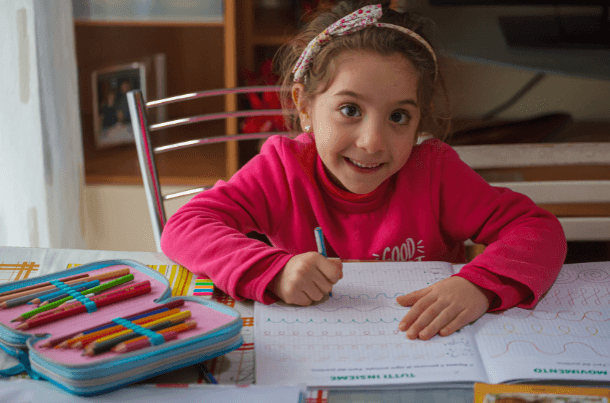
2. Create a Gentle After-School Decompression Routine
Children often need a bridge between the demands of school and the expectations of home. Asking many questions, starting homework immediately, or giving a list of chores the moment they walk through the door can feel overwhelming.
If schoolwork regularly takes over the whole evening, this guide to how many hours a 7-year-old should study at home can help you set realistic expectations and protect time for rest and play.
For a little while after school, lower the pressure. Offer water, a snack, and a warm welcome. Instead of asking, “How was school?” several times, try a simple observation: “You had a long day. I’m happy to see you.” This gives your child space to talk when they are ready.
Different children decompress in different ways. Your child might prefer to:
- Draw, color, or build with LEGO
- Read or listen to an audiobook
- Cuddle with you or sit in a cozy corner
- Play outside
- Take a short walk or bike ride
- Listen to music
- Play with a favorite toy
- Do gentle stretching or breathing exercises
Quiet time is not the only option. A child who has spent hours sitting and concentrating may feel calmer after having a chance to move.
Watch what happens afterward: if your child becomes calmer and more cooperative, the activity is probably helping. If they become more overwhelmed, shorten it or choose something gentler.
Validation also matters. Phrases such as “That was a lot of new information” or “It makes sense that you need a break” show your child that tiredness is understandable, not a character flaw.
3. Use Healthy Movement to Restore Energy
The goal is not to push an exhausted child through another demanding commitment. It is to offer an enjoyable outlet.
According to the CDC’s physical activity guidelines, children and teens ages 6–17 should get at least 60 minutes of moderate-to-vigorous physical activity each day. That time can be spread throughout the day and may include playground activity, walking, biking, active games, sports, or structured classes.
During the back-to-school transition, keep the family calendar realistic. One meaningful activity can be more restorative than an afternoon packed with several obligations.
How Martial Arts Can Help After School
For some children, martial arts provides a useful balance of physical movement, structure, and emotional reset. A well-paced Karate for Kids class gives students an opportunity to:
- Get moving after spending much of the school day sitting
- Practise focus, breathing, and self-control
- Follow clear and predictable instructions
- Work toward achievable goals
- Notice their own progress
- Spend time with supportive instructors and classmates
A well-paced martial arts class can give children a structured opportunity to move, practise listening and self-control, work toward achievable goals, and spend time with supportive instructors and classmates.
School → water and snack → short break → martial arts class → dinner → one homework priority → prepare for tomorrow → bedtime routine
There is no perfect schedule for every family. Some children need quiet time before they move; others feel better when they become active soon after arriving home. Let your child’s behavior guide small adjustments.

4. Refuel With Water and Balanced After-School Snacks
School fatigue often feels worse when a child is hungry or dehydrated. By dismissal time, lunch may have been several hours ago, and a busy child may have barely touched their water bottle.
Offer water when your child gets home, along with a filling snack that may include foods such as fruit, whole grains, yogurt, cheese, eggs, hummus, or nut butter when safe for your child.
that may include foods such as fruit, whole grains, yogurt, cheese, eggs, hummus, or nut butter when safe for your child.
Do not let the idea of a “perfect” snack create more stress. A familiar food your child will eat is useful. You can gently add balance, for example, crackers with cheese or fruit with yogurt, without turning snack time into a negotiation.
Choose snacks that are appropriate for your child’s age, chewing ability, and known food allergies.
Simple after-school snack ideas include:
- Apple or banana slices with peanut butter, when safe
- Yogurt with berries and oats
- Cheese with whole-grain crackers
- Hummus with vegetables or pita
- A turkey sandwich on whole-grain bread
- A fruit-and-yogurt smoothie
- Oatmeal topped with fruit and nuts
- Trail mix that is appropriate for your child’s age
- A boiled egg with toast
Do not let the idea of a “perfect” snack create more stress. A familiar food your child will eat is useful. You can gently add balance, for example, crackers with cheese or fruit with yogurt, without turning snack time into a negotiation.
Consistent meals also help children know when food is coming. Aim for a reliable rhythm of breakfast, lunch, snack, and dinner, while respecting your child’s appetite. Warm Virginia Beach and Chesapeake afternoons, outdoor play, and martial arts classes can also increase the need for regular water breaks.
5. Rebuild a Predictable After-School Routine
The beginning of a school year contains many unknowns. A predictable routine at home gives children something steady to rely on. It does not need to follow the clock perfectly; a familiar order is often enough.
For example:
- Come home and reconnect
- Drink water and eat a snack
- Take a short decompression break
- Play, move, or attend martial arts
- Complete the most important homework task
- Eat dinner
- Pack the backpack
- Choose clothes for the morning
- Enjoy a quiet family activity
- Begin the bedtime routine
For younger children, turn the routine into a visual checklist with simple words or pictures. Invite your child to help make it and let them check off completed steps.
Inviting your child to help create the checklist can make the routine feel more like a shared plan than a stream of parental instructions.
A predictable routine can also give children more opportunities to manage familiar tasks independently.
When children know what comes next, they rely less on repeated reminders and gain confidence in managing their responsibilities.
Martial arts reinforces many of these same skills. In class, children practice listening, waiting, following directions, working through challenges, and recognizing progress.In class, children practise listening, waiting, following directions, working through challenges, and recognising progress.

When Is School Fatigue a Reason to Call the Pediatrician?
Some tiredness is common during the first days of school, and many children improve as their bodies adjust to earlier mornings and fuller days. Still, parents know their children best.
Seek urgent medical care if your child has severe breathing difficulty, is difficult to wake or unusually unresponsive, or faints with other concerning symptoms.
continues beyond the adjustment period despite adequate sleep, or interferes significantly with everyday life. Seek medical guidance sooner if tiredness occurs with symptoms such as breathing difficulty, persistent pain, frequent illness, fainting, unexplained weight loss, a major change in appetite, or an ongoing low mood.
This article offers general parenting information and is not a substitute for medical advice. If something feels unusual for your child, it is always reasonable to ask a qualified healthcare professional.
Frequently Asked Questions
Is it normal for my child to be exhausted after starting school?
How can I help my child recover after school?
Should my tired child nap after school?
Why is my child emotional after school?
When should I worry about school fatigue?
Give Your Child Time to Settle In
The first week of school does not need to look perfect. Some children find their rhythm within a few days, while others need several weeks to feel comfortable with new teachers, classmates, schedules, and expectations.
Look for small signs that your child is adjusting:
- Mornings are becoming easier
- Emotional outbursts are less frequent
- Sleep and appetite are more consistent
- Homework creates less resistance
- Your child begins talking more about school
- They show interest in favorite activities again
- Small challenges feel more manageable
If your child is tired after starting school, begin with the basics: protect sleep, provide water and balanced food, allow decompression time, include enjoyable movement, and keep afternoons predictable. These simple supports can help your child recover without making home feel like another place where they must perform.
For families in Virginia Beach and Chesapeake, martial arts can become part of that healthy reset. Changing Lives Martial Arts offers supportive kids’ programs at its Holland and Greenbrier locations, with structured classes focused on movement, martial-arts skills, listening, and personal progress in an encouraging environment.
The early school days can take a lot out of a child. With patience, connection, and a familiar routine, With patience, connection, and a familiar routine, families can give children the time and support they need to adjust to the new school year.
Looking for more practical guidance to support your child through school, behavior, health, and everyday parenting challenges? Visit Tot Advice for helpful tips and reassuring resources created with real families in mind.
Trusted Resources
- CDC: Physical Activity Guidelines for School-Aged Children and Adolescents
- American Academy of Pediatrics / HealthyChildren: Healthy Sleep Habits: How Many Hours Does Your Child Need
Disclaimer
This article provides general educational and parenting information and is not a substitute for personalised medical advice from your child’s pediatrician or another qualified healthcare professional. Some tiredness can occur while children adjust to a new school routine, but seek medical guidance if fatigue is severe, persistent despite adequate sleep, or significantly affects everyday life. Seek urgent medical care if your child has severe breathing difficulty, is difficult to wake or unusually unresponsive, or faints with other concerning symptoms.
About the Author
Geeta Yogi writes practical, parent-friendly content about children’s routines, school transitions, sleep, physical activity, emotional wellbeing, and everyday family life. She focuses on realistic strategies that help parents support children through busy days with more rest, connection, movement, and predictable routines.