Watching your child grow is one of the most heartwarming journeys you’ll ever be part of. One day they’re wrapped in your arms, so tiny and new, and before you know it, they’re asking questions, exploring everything around them, and showing little glimpses of their personality. These moments may feel ordinary at times, but they quietly become some of your most treasured memories.
Understanding the child development stage by age 0–10 can gently guide you through this journey. It’s not about tracking every little milestone perfectly, but about helping you feel a bit more confident and connected as you watch your child grow and change.
And it’s important to remember, no two children grow in exactly the same way. These child development stages aren’t rules you have to follow, but soft, reassuring guidelines that help you understand what might be happening in your child’s world.
So take a deep breath, and let’s walk through this beautiful journey together, one stage, one moment at a time.
Child Development Stage by Age 0–10
When we talk about the stages of child development, we’re really just trying to understand how our children grow and change over time, not just physically, but emotionally, socially, and mentally too. From the way they learn to express their feelings to how they begin to understand the world around them, each stage brings something new and meaningful.
These ages and stages of child development aren’t meant to make you feel pressured or worried. Instead, they gently give you a sense of what your child might be learning and experiencing at different ages, so you can support them with more ease and confidence.
And truly, there’s no need to stress about whether your child is doing everything “on time.” Every child has their own pace, their own rhythm. Think of this as a soft, comforting guide, something that walks beside you, not something that judges you.
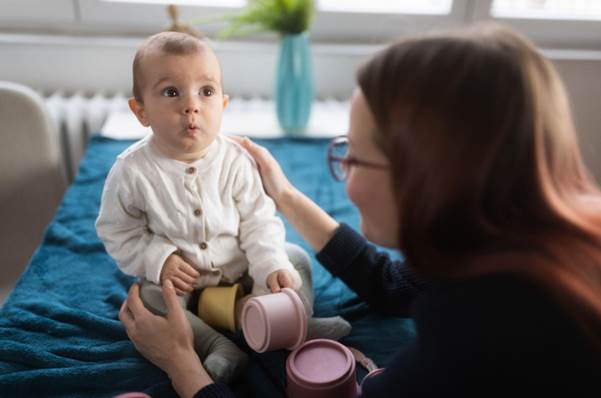
0–1 Year: The Foundation of Love and Trust
The first year of your baby’s life is soft, slow, and deeply emotional. It’s a time filled with cuddles, late-night feeds, and those quiet moments where your baby simply rests in your arms. In this stage, your little one isn’t just growing physically, they’re learning something very important: the world is safe, and I am loved.
Everything they experience comes through you, your touch, your voice, your presence. This is where trust begins, in the most gentle and natural way.
Key Development Milestones:
- Smiling and slowly recognizing familiar faces
- Learning to roll, sit, and eventually crawl
- Turning toward sounds and responding to voices
- Making soft sounds and beginning to babble
These early development milestones for kids may seem small, but they are deeply meaningful. Each smile, each little sound, is your baby’s way of connecting with you and the world around them.
Gentle Tip:
Hold your baby close as often as you can. Talk to them during everyday moments, while feeding, changing, or simply sitting together. Even if they don’t respond yet, they are listening, feeling, and learning. Over time, your voice becomes their safe place, the one thing that brings them comfort no matter what.
During these early months, simple daily routines around feeding, sleep, and care can also help both parents and babies feel more secure and connected.
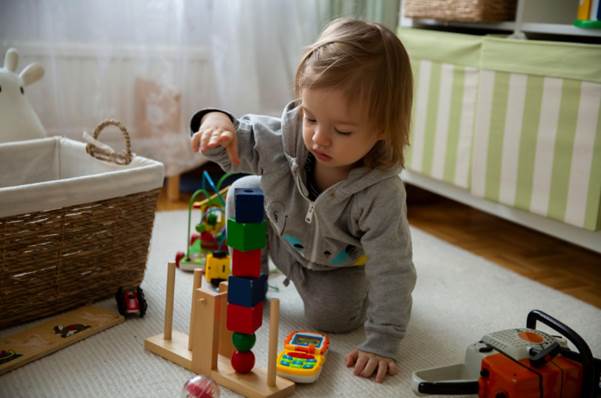
1–2 Years: Exploring the World
This stage is full of little adventures. Your toddler is curious about everything, touching, walking, climbing, and trying things on their own. It’s their first step toward independence, but they still look back at you for comfort and reassurance.
Child Development Milestones by Age:
- Walking and trying to climb
- Saying a few simple words
- Showing likes and dislikes
- Following easy instructions
You might notice some emotional ups and downs during this time, and that’s completely normal. They’re learning, growing, and figuring out their feelings.
Gentle Tip:
Create safe spaces where they can explore freely. Let them try things on their own, even if it gets a little messy or takes time. That’s how they learn best.

2–3 Years: Big Emotions, Little Words
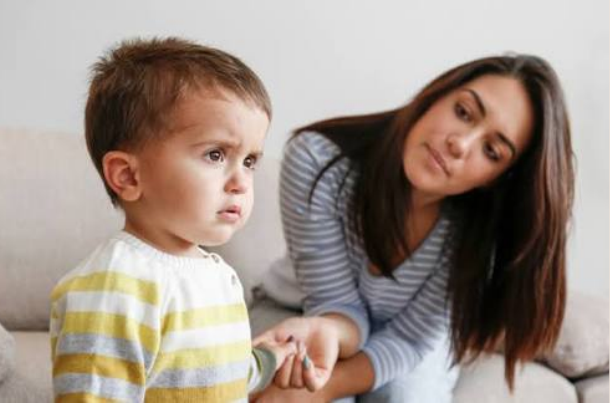
This stage can feel a little overwhelming at times. Your child has so many feelings inside, but not always the right words to express them. That’s why you may see sudden tears, frustration, or even tantrums, it’s all part of learning.
Development Milestones:
- Speaking short, simple sentences
- Enjoying pretend play
- Wanting to do things independently (“I do it!”)
- Showing strong emotions and occasional tantrums
This phase is an important part of child growth stages by age, where your child begins to understand both independence and emotions.
Gentle Tip:
Try to stay calm during tough moments. Your gentle response helps your child feel safe and slowly teaches them how to manage their big feelings.

3–5 Years: Imagination and Learning
This is such a magical stage. Your child’s imagination begins to bloom, and their curiosity feels endless. You’ll hear a lot of “why?” and “how?”, and while it can feel tiring at times, it’s actually a beautiful sign of their growing mind.
Child Development Stages Include:
- Asking lots of questions
- Playing and interacting with other children
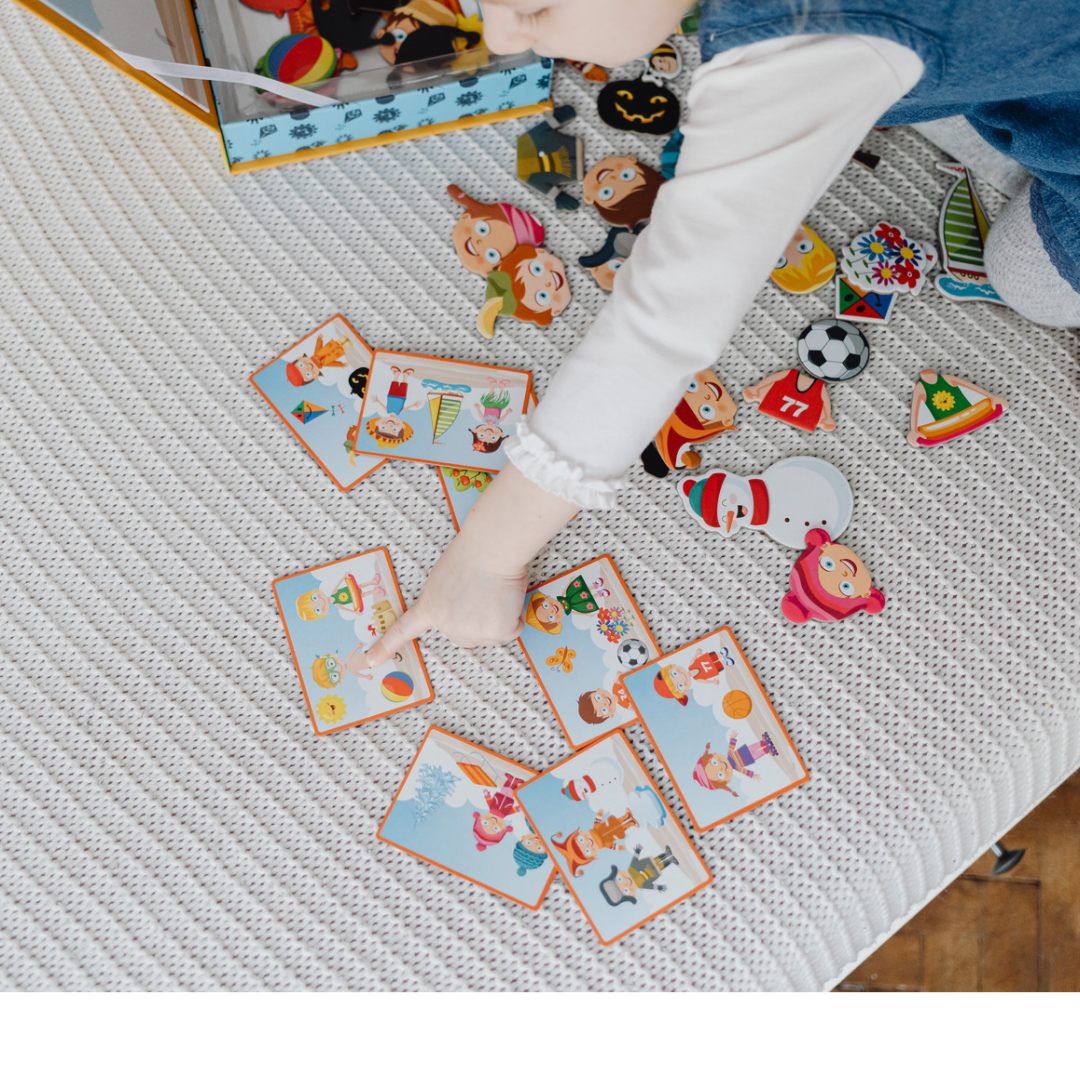
- Learning basic shapes, colors, and numbers
- Expressing thoughts more clearly
At this age, your child is slowly making sense of the world around them, one question at a time.
Gentle Tip:
Try to answer their questions with patience, even when they repeat them. Your responses help build their confidence and keep their natural curiosity alive.

5–7 Years: Building Confidence
As your child steps into school life, a new chapter begins. They start spending more time outside the home, learning new things, meeting friends, and slowly building their own sense of independence.
Development Milestones for Kids:
- Learning to read and write simple words
- Understanding daily routines and rules
- Making friendships and learning to share
- Expressing their thoughts more clearly
This stage plays a big role in shaping how your child feels about themselves.
Gentle Tip:
Appreciate their effort, not just the outcome. A small “I’m proud of you for trying” can do wonders for their confidence and self-belief.

7–10 Years: Growing Independence
At this stage, you may start to notice a quiet shift. Your child is becoming more independent, more thoughtful, and more aware of the world around them. They begin to form their own opinions, build stronger friendships, and show little signs of who they are becoming.
Child Development Milestones by Age:
- Thinking more logically and asking deeper questions
- Forming close and meaningful friendships
- Learning responsibility through small tasks
- Discovering hobbies and personal interests
This is the age where their personality really starts to shine in its own unique way.
Gentle Tip:
Try to listen a little more and guide a little less. Even when they don’t say much, your presence and understanding mean everything to them.
Simple 0–10 Child Development Chart
Sometimes, it helps to see everything in one simple place. This gentle 0–10 child development chart gives you a quick overview of how your child may grow through different stages.
| Age Group | Focus Area | Key Growth |
| 0–1 Year | Trust & Bonding | Emotional security |
| 1–2 Years | Exploration | Movement & early speech |
| 2–3 Years | Expression | Emotions & independence |
| 3–5 Years | Learning | Social & thinking skills |
| 5–7 Years | Confidence | School readiness |
| 7–10 Years | Independence | Thinking & relationships |
Just remember, this isn’t something you need to follow perfectly. Every child grows in their own time and in their own way. Think of this as a soft guide, something to support you, not something to measure your child against.
When to Be Concerned (Gently Noticed Signs)
There may be moments when you pause and wonder if everything is going as it should. That feeling is more common than you think, and it’s okay to have those questions.
You might consider reaching out to a professional if you notice:
- Very little eye contact or no response to sounds
- Speech that seems delayed for their age
- Difficulty connecting or interacting with others
- Losing skills they had already learned
These signs don’t always mean something is wrong, but it’s always okay to ask and seek guidance.
Gentle Reminder:
Trust your instincts. You spend the most time with your child, you notice the little things. And reaching out for support is not worry, it’s care.
Supporting Your Child Through Every Stage
As your child grows through different child development stages, what they need most isn’t perfection, it’s your presence, your patience, and your love. The small, everyday moments you share with them matter more than anything else.
Be Present
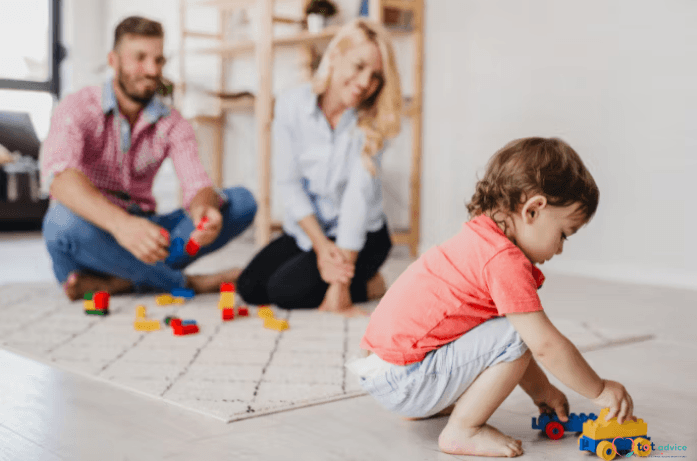
Sometimes, just sitting beside your child, watching them play, or giving them your full attention is enough. Your presence makes them feel safe and valued in a way nothing else can.
Talk and Listen
Even simple conversations, about their day, their thoughts, or their little stories, help build strong communication. And when you truly listen, it shows them that their voice matters.
Keep Expectations Gentle
Every child grows at their own pace. Try not to compare or rush the process. Trust that your child is learning and growing in their own time.
Offer Emotional Safety
Let your child know they can come to you with anything, big or small. When they feel safe with you, they grow with confidence and trust.
In the end, it’s not about doing everything perfectly. It’s about being there, loving them, and growing together, one day at a time.
FAQ:
1. What are the main child development stages?
They include infancy, toddler years, preschool, early school age, and middle childhood.
2. Do all children develop at the same pace?
No, every child grows and learns at their own pace.
3. Why is understanding child development important?
It helps parents support their child’s growth with confidence.
4. What are key milestones in early childhood?
Smiling, walking, talking, and social interaction.
5. When should I worry about my child’s development?
If there are delays in speech, movement, or interaction, consult a professional.
6. How can I support my child’s development?
Be present, talk, play, and create a safe environment.
7. Is it okay if my child misses some milestones?
Yes, small variations are normal in development.
8. What matters most for healthy development?
Love, patience, and a supportive environment.
Final Thoughts: Growing Together, Day by Day
Motherhood has a quiet way of teaching us something truly special, growth isn’t just happening in our children, it’s happening in us too. With every stage, every challenge, and every small win, we are learning right alongside them.
Understanding the child development stage by age 0–10 isn’t about tracking every detail or getting everything perfect. It’s simply about being there, connecting with your child, supporting them, and walking gently beside them as they grow.
Some days will feel easy and full of smiles. Other days may feel a little overwhelming or uncertain. And that’s okay. That’s part of the journey.
On those days, just pause for a moment.
Look at your child.
Notice the way they trust you, the way they reach for you, the comfort they find in your presence.
That’s your gentle reminder…
You are doing enough.
You are doing beautifully.
And in your own quiet, loving way, you are helping your child grow into exactly who they are meant to be.
If you’d like more simple, real, and heartfelt parenting support, you can explore more on TotAdvice, a space created to support parents through every stage of their journey.
Resources
• UNICEF – Early Childhood Development
• Research on Child Development and Early Childhood Outcomes