There’s something truly magical about watching your little one grow, not just taller each day, but slowly becoming their own little person. The way they learn, copy, and surprise you… it’s beautiful in the most unexpected ways.
As moms, we often find ourselves wondering, “Am I doing enough?” Especially when it comes to teaching good habits from a young age. It can feel like such a big responsibility, shaping these tiny humans who are looking up to us for everything. But the truth is, you don’t have to be perfect. You really don’t.
It’s not about grand lessons or getting everything right every single day. It’s about those small, quiet moments. The gentle reminders. The times you show kindness, even when you’re tired. The way you say “please” and “thank you,” knowing little eyes are always watching.
If you’ve ever felt overwhelmed or unsure, I want you to know, you’re not alone in this. I’ve been there too. Trying to teach patience while running on broken sleep… repeating the same words again and again, wondering if they’re even sinking in. Some days feel messy, and that’s okay.
Because here’s the beautiful part, habits don’t form overnight. They grow slowly, just like our children do. One tiny step at a time. One repeated moment at a time.
And you know what? You’re already doing better than you think.
So let’s take a deep breath and walk through this together
Why Teaching Good Habits from a Young Age Matters
When we start early, we’re not just teaching behaviors, we’re shaping how our children think, feel, and respond to the world.
Good habits give children:
- A sense of security and routine
- Confidence in doing things independently
- Emotional stability and self-control
- A strong foundation for future learning
The early years are like soft clay. What we gently press into it, kindness, responsibility, patience, begins to take shape naturally.
And the best part? You don’t need fancy tools or strict systems. Just your presence, consistency, and love.
When we begin early, we’re not just teaching our children what to do, we’re quietly shaping who they become. The way they think, how they handle emotions, how they treat others… it all starts in these small, everyday moments.
Good habits aren’t about strict rules or perfection. They’re about creating a sense of comfort and understanding in a child’s little world.
When children grow up with gentle routines and positive habits, they start to feel safe. They know what to expect, and that brings them a quiet sense of security. Even something as simple as a bedtime routine or cleaning up toys together can make their day feel more predictable and calm.
Over time, these little habits also build confidence. When your child learns to do small things on their own, like putting away their shoes or saying “thank you, you can actually see that spark of pride in their eyes. It’s not just about the habit itself, it’s about them realizing, “I can do this.”
And then there’s the emotional side of it. Habits like waiting for their turn, expressing feelings, or using kind words slowly help children understand their emotions better. They begin to develop patience, self-control, and empathy, qualities that will stay with them for life.
These early years really are like soft clay in our hands. Whatever we gently press into it, kindness, responsibility, patience, starts to take shape in the most natural way. Not through pressure, but through repetition, love, and example.
And the most comforting part? You don’t need anything complicated to make this happen. No perfect schedule. No fancy methods.
All your child truly needs… is you. Your presence, your consistency, and your love.
Teaching good habits from a young age helps children develop discipline, confidence, and emotional strength through simple daily routines.
Start with Simple, Everyday Habits
You really don’t have to do everything at once. In fact, trying to teach too many things together can feel overwhelming, for both you and your little one. The truth is, the simplest habits are often the most powerful.
It’s the small, everyday things that quietly shape your child’s behavior over time.
Some gentle habits you can start with:
- Saying “please” and “thank you”
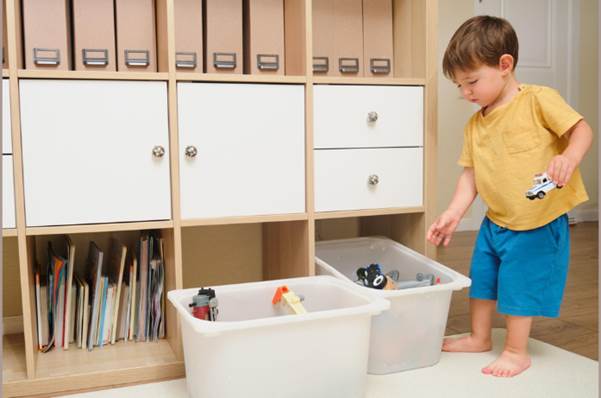
- Putting toys away after playing
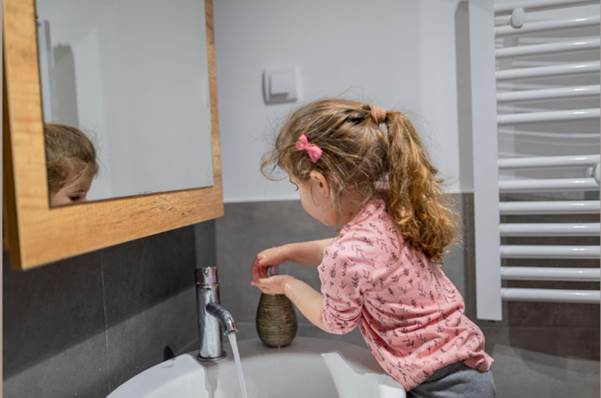
- Washing hands before meals
- Brushing teeth daily
- Following a simple bedtime routine
These may seem like very basic things, but for a child, they are big learning moments. Each time they repeat these actions, they’re building understanding, responsibility, and confidence, step by step.
In the beginning, it might feel like you’re reminding them all the time. You say it once, twice… maybe even ten times a day. And honestly, that’s completely normal. Little minds learn through repetition, not perfection.
I still remember those days when I’d just finish cleaning up, and within seconds, my toddler would happily dump all the toys out again. It was frustrating, I won’t lie. But instead of reacting every time, I slowly changed my approach.
I started turning clean-up time into a little game. We’d sing, race, or pretend the toys were going “home.” And you know what? Over time, something shifted. What once felt like a struggle became a part of our daily rhythm.
That’s the beauty of starting small. With patience and a little creativity, even the simplest habits begin to stick, and grow into something much bigger
Be the Example They Learn From
One of the most powerful (and sometimes challenging) truths of parenting is this, our children are always watching us. Not just when we’re teaching, but in the little, unplanned moments too.
They don’t learn as much from what we say… as they do from what we do.
If we want our children to:
- Speak kindly → they need to hear kindness in our words
- Stay calm → they need to see how we handle stress
- Be respectful → they need to feel respected themselves
It sounds simple, but in real life, it’s not always easy. There are days when we’re tired, overwhelmed, or running low on patience. Days when we snap or raise our voice and instantly wish we hadn’t.
But here’s the comforting part, even those imperfect moments can become meaningful lessons.
When you pause, take a breath, and say, “I’m sorry, I shouldn’t have raised my voice,” you’re doing something incredibly important. You’re showing your child what accountability looks like. You’re teaching them that it’s okay to make mistakes, and even more important, how to make them right.
And that lesson? It stays with them far longer than any perfect reaction ever could.
So don’t put pressure on yourself to always get it right. Just try to be mindful, honest, and real. Because in the end, your child isn’t looking for a perfect parent, they’re learning from a human one.
Build Routines That Feel Safe and Predictable
There’s something incredibly comforting for a child in knowing what comes next. In a world that feels big and sometimes overwhelming, simple routines act like a soft anchor, they help children feel safe, secure, and more in control.
When days have a gentle rhythm, children don’t have to constantly guess or worry. They begin to relax into their day, and you’ll often notice they become more cooperative without even realizing it.
Some simple, loving routines you can build:
- Morning wake-up rituals (a hug, a smile, a slow, happy start)
- Mealtime routines (washing hands, sitting together, sharing moments)
- Bedtime rituals (a story, a cuddle, lights off at the same time)
These little patterns may seem small to us, but to a child, they mean everything. They create a sense of familiarity, This is how my day flows. This is my safe space.
And something beautiful happens when routines become consistent. Children start to follow along naturally. There’s less resistance, fewer sudden meltdowns, and more moments of calm connection.
Of course, not every day will go as planned. Some mornings will feel rushed, some nights will stretch longer than expected. Life with kids is wonderfully messy like that.
And that’s okay.
Routines aren’t about being perfect, they’re about creating a gentle sense of predictability that your child can rely on. Even when things go off track, your love and presence are what truly make them feel safe.
Use Positive Reinforcement, Not Pressure
It’s so easy, especially on busy or tiring days, to notice what our children are not doing right. The toys left on the floor, the forgotten “thank you,” the little moments that test our patience.
But what if we gently shifted our focus?
Instead of pointing out every mistake, we start noticing the small things they are doing right. Because for a child, even the tiniest effort matters.
You can try saying things like:
- “I love how you put your toys away!”
- “You remembered to say thank you, that was so kind.”
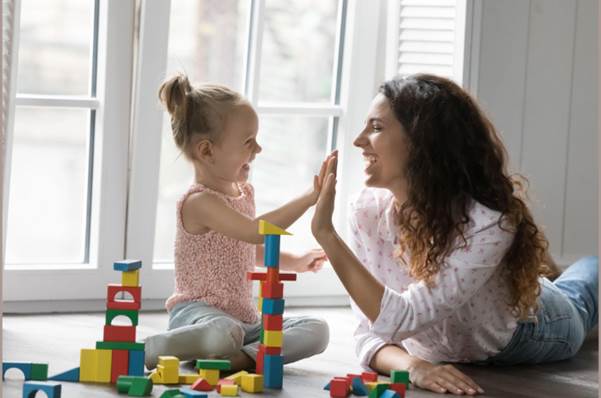
These simple words may not seem like much, but to your child, they mean everything. They feel seen. Appreciated. Encouraged. And when that happens, they naturally want to repeat that behavior again.
In fact, the CDC’s guidance on using rewards and positive reinforcement explains that recognizing and encouraging positive behaviors can help children build healthy habits and feel more motivated to repeat them.
That’s the beauty of positive reinforcement, it builds confidence quietly, without pressure.
On the other hand, constant scolding or correcting can make children feel discouraged. Comparing them to other kids or expecting them to get everything right can create unnecessary pressure in their little hearts.
And the truth is… they’re still learning. They’re allowed to make mistakes.
We’re not raising perfect little robots who follow every rule without fail. We’re raising real, emotional, growing humans, who need patience, understanding, and a lot of love along the way.
So next time your child gets something right, even if it’s small, pause, smile, and acknowledge it.
Because those little moments of encouragement? They grow into something really big
Teach Responsibility in Small Ways
Responsibility doesn’t begin with big rules or heavy expectations, it grows gently through the little things we let our children do every day. It’s in these small, meaningful tasks that they start to feel capable, trusted, and proud of themselves.
For toddlers, even something as simple as putting their toys back into a basket can feel like a huge accomplishment. You might notice how excited they get after doing it, that little spark of pride is exactly what builds their confidence.
As they grow into preschoolers, they can start helping in small ways, like setting the table with you. It may not be perfect, and that’s completely okay. What matters is that they feel included, like their help truly counts.
And when children get a bit older, simple responsibilities like packing their own school bag begin to teach independence. These everyday moments quietly shape their ability to take ownership of things.
The truth is, when children feel involved, they feel important. And when they feel important, they naturally want to help, contribute, and be a part of the family in their own little ways
Be Patient-Habits Take Time
This is the part we don’t talk about enough as moms.
Teaching good habits isn’t always sweet and smooth, it can feel repetitive, tiring, and sometimes even a little discouraging. There are days when you’ll repeat the same thing again and again, and still feel like it’s not making a difference.
You might find yourself reminding your child 20 times to pick up their toys… or wondering if anything you’re saying is actually sticking. And in those quiet moments, it’s easy to question yourself, Am I doing this right?
But here’s something I want you to truly hold onto: you are not failing.
Children don’t learn through perfection, they learn through consistency. Through your gentle reminders, your patience, and your presence, even on the hard days.
And then, one day, it happens so quietly you almost miss it…
They say “thank you” without being asked.
They clean up on their own.
They show kindness in a way that surprises you.
And in that soft, beautiful moment, you’ll realize, every little effort, every repeated word, every patient pause… it was all worth it
Handle Mistakes with Calm Guidance
Mistakes are a natural part of growing up, and honestly, they’re one of the best ways children learn. But how we respond in those moments makes all the difference.
It’s easy to react with frustration, especially when you’re tired or overwhelmed. I’ve had those moments too. But over time, I’ve realized that a calm, gentle response teaches so much more than anger ever could.
Instead of saying, “Why did you do that, which can make a child feel scared or shut down, try something softer like, “Let’s try that again the right way.”
That small shift in tone changes everything. It tells your child that it’s okay to make mistakes, and that you’re there to guide them, not judge them.
When we respond with patience:
- Children feel less afraid of doing something wrong
- They begin to trust us more
- And most importantly, they stay open to learning instead of hiding their mistakes
A child who feels safe doesn’t just behave better, they grow with confidence, knowing they are supported every step of the way
Create a Positive Home Environment
The kind of environment we create at home quietly shapes our children more than we realize. It’s not about having a perfect house or doing everything right, it’s about the feeling our child carries in their heart when they’re with us.
A nurturing home doesn’t need to be fancy. It simply needs to feel safe, calm, and full of love. When we speak gently, even during stressful moments, children learn how to communicate with kindness. When expectations are clear but not harsh, they understand what’s expected without feeling pressured.
Little things matter more than we think, like a warm hug after a long day, reassuring words when they feel unsure, or simply being present when they want to talk. And just as important, giving them space to make mistakes without fear helps them grow with confidence.
When a child feels truly loved and secure, they don’t just listen better, they want to do better. They become more open, more cooperative, and more willing to learn.
In the end, it’s not the rules that shape them the most, it’s the love and comfort they feel at home
Limit Overwhelm-Focus on One Habit at a Time
As moms, it’s so natural to want to teach our children everything at once, good manners, routines, responsibility, kindness… all of it. But trying to do too much too quickly can feel overwhelming, not just for your child, but for you too.
I’ve learned that children do best when we slow things down. Instead of juggling many habits at once, start with just one small thing. Maybe it’s putting toys away after playtime or saying “thank you.” Focus on that one habit for a week or two, gently reminding and practicing it every day.
And don’t forget to notice the little wins. Even a small effort deserves a smile, a hug, or a few kind words. That encouragement goes a long way in helping the habit stick.
Once that habit starts to feel natural, you can slowly move on to the next. There’s no rush.
This slow and steady approach might not feel exciting in the moment, but it works in the most beautiful way. It builds habits that truly last, without stress, without pressure, just with patience and love
Make Learning Fun and Playful
One thing I’ve learned as a mom is that children rarely respond well to pressure, but they light up when something feels like play. That’s why turning everyday habits into fun, playful moments can make such a big difference.
Instead of constantly reminding or insisting, try adding a little joy to the process. A simple clean-up song can turn a boring task into a happy routine. A sticker chart can make your child feel excited about their progress. Even something as basic as brushing teeth can become a fun “race against the timer” game.
You can also try role-playing polite conversations, pretending to be guests and hosts, practicing “please” and “thank you” in a playful way. It may feel silly at first, but kids absolutely love it.
Gentle Reminders for Moms
If you’re reading this and quietly wondering, “Am I doing enough?”, take a moment and be gentle with yourself.
You are showing up for your child every single day, even on the days that feel messy, exhausting, or overwhelming. You are learning as you go, growing alongside your little one, and doing the very best you can with the love and knowledge you have right now.
And honestly, that matters more than perfection ever will.
Teaching good habits from a young age isn’t about getting everything right all the time. It’s not about having all the answers or never making mistakes. Parenting simply doesn’t work that way.
It’s about being present.
It’s about the everyday moments, the bedtime cuddles, the gentle reminders, the repeated conversations, and the love you show even on difficult days.
These small moments may not seem important right now, but they often become the memories your child carries for years to come. Many of those everyday little habits and sweet routines often become the moments parents treasure most as their children grow.
Some days will feel easy, and you’ll feel confident in everything you’re doing. Other days may leave you feeling tired, uncertain, and stretched thin. Both kinds of days are completely normal.
Motherhood isn’t about perfection. It’s about love, patience, showing up again and again, and growing together with your child, one day at a time.
FAQ:
1. Why is it important to teach good habits early?
Early habits help build confidence, discipline, and emotional strength.
2. What habits should I teach my child first?
Start with simple habits like saying “please,” cleaning up, and brushing teeth.
3. How do children learn good habits?
Children learn through repetition and by watching their parents.
4. How can I encourage good behavior?
Use praise and positive reinforcement instead of pressure.
5. How long does it take to build a habit in kids?
Habits take time and consistency, not instant results.
6. Should I correct my child’s mistakes?
Yes, but gently, with calm guidance and patience.
7. Can routines help build good habits?
Yes, simple daily routines make habits easier to follow.
8. What if my child doesn’t follow habits?
Stay patient and keep repeating with love and consistency.
Final Thoughts: You’re Planting Seeds That Will Grow
What you’re doing right now may feel small, simple reminders, daily routines, tiny lessons, but these are not small things. These are seeds you’re planting every single day.
Seeds of kindness, when you teach them to speak gently.
Seeds of responsibility, when you trust them with little tasks.
Seeds of confidence, when you encourage them and believe in them.
And slowly, in their own time, these seeds will grow.
One day, you’ll see your child taking care of themselves without being asked.
You’ll notice them treating others with respect and empathy.
You’ll watch them face the world with quiet confidence.
And in that moment, you’ll realize, it all started with those small, loving efforts you made early on.
So take a deep breath, mama.
You’re not just raising a child… you’re shaping a future.
And you’re doing a truly beautiful job
If this touched your heart or gave you a little reassurance today, you might enjoy more gentle parenting insights and real-life advice totadvice