
Parents often wonder whether the right food can help a child concentrate better, remember more, or feel ready to learn. It is an understandable question, especially when mornings are rushed, lunch boxes return half-full, or homework time becomes a struggle.
There is no single food that can instantly make a child smarter. A child’s brain develops through a combination of balanced nutrition, adequate sleep, physical activity, play, learning, and warm relationships. However, everyday foods do provide the protein, healthy fats, iron, choline, vitamins, and other nutrients that a growing brain and body need.
The most helpful approach is not chasing expensive powders or calling one ingredient a miracle food. It is offering a variety of nourishing choices regularly and finding realistic ways to serve them.
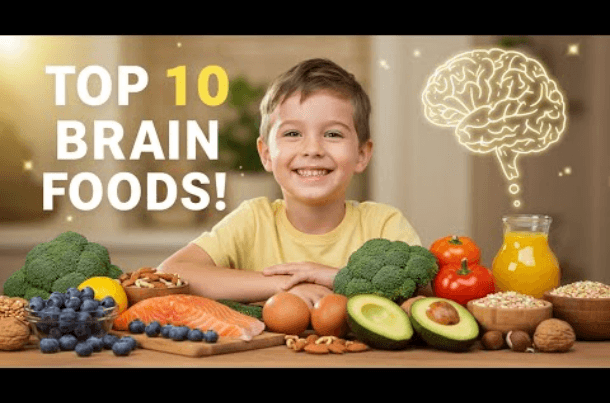
Below are ten practical brain foods for kids, along with simple ideas that may make them easier to include in family meals.
Quick Answer: What Are the Best Brain Foods for Kids?
Some of the best foods for a child’s developing brain include:
- Salmon and other lower-mercury oily fish
- Eggs
- Oats
- Berries
- Nuts, seeds, and safe nut or seed butters
- Beans and lentils
- Colorful vegetables
- Yogurt, milk, or fortified alternatives
- Whole grains
- Iron-rich meat or plant-based proteins
Children benefit most from an overall balanced eating pattern rather than large amounts of any one “brain food.”
1. Salmon and Other Lower-Mercury Fish
Fish can provide protein, vitamin B12, vitamin D, iron, zinc, choline, and omega-3 fats. DHA and EPA are two omega-3 fats associated with the brain and nervous system.
Salmon is a convenient choice because the FDA lists it among its lower-mercury “Best Choices.” Sardines, trout, pollock, shrimp, and canned light tuna are other options on that list. Fish should be fully cooked and served in an age-appropriate form with bones carefully removed.
Easy ways to serve fish
- Mix canned salmon with plain yogurt and spread it in a sandwich.
- Make small salmon patties with mashed potato.
- Add flaked cooked fish to rice or pasta.
- Serve mild fish pieces in a soft taco.
- Pair fish with a familiar food your child already enjoys.
Children’s portions differ by age. Parents should also check current fish advice because mercury levels vary between species. The FDA’s advice about eating fish includes serving guidance and lists of lower-mercury choices for children.
2. Eggs
Eggs are an affordable source of protein and contain choline. The brain and nervous system use choline for functions that include memory, mood, and muscle control. Choline also helps the body form the membranes surrounding its cells.
Eggs are versatile, which can help when a child dislikes one particular texture.
Easy ways to serve eggs
- Scrambled eggs with whole-grain toast
- A sliced hard-boiled egg in a lunch box
- A vegetable omelet cut into strips
- Egg and cheese in a breakfast wrap
- Mini egg muffins with finely chopped vegetables
- French toast served with fruit
Cook eggs until the yolk and white are firm, unless you are using pasteurized eggs in a recipe designed to be served less thoroughly cooked. If your child has an egg allergy, do not assume they need to miss out on “brain foods”, beans, fish, poultry, soy foods, and dairy or suitable alternatives can provide many valuable nutrients too.
3. Oats
Oats provide carbohydrates for energy as well as fiber and several vitamins and minerals. A bowl of oatmeal is not a magical concentration cure, but it can be part of a filling breakfast that helps a child begin the day nourished.
Plain oats are also easy to adapt. One child may prefer warm porridge, while another may accept baked oatmeal or oats blended into a smoothie.
Easy ways to serve oats
- Top oatmeal with banana and cinnamon.
- Stir in berries or grated apple.
- Make overnight oats with yogurt and fruit.
- Add oats to homemade pancakes or muffins.
- Prepare baked oatmeal cups for busy mornings.
- Mix oats with nut or seed butter for older children who can safely manage the texture.
Choose toppings according to your child’s age and chewing ability. Whole nuts and spoonfuls of thick nut butter can be choking hazards for young children.
4. Berries
Strawberries, blueberries, raspberries, and blackberries provide vitamin C, fiber, and a range of naturally occurring plant compounds. Their color and sweetness can also make them an appealing way to add fruit to breakfast or snacks.
Fresh and frozen berries can both be useful. Frozen fruit may be less expensive, lasts longer, and works well in cooked dishes or smoothies.
Easy ways to serve berries
- Add berries to oatmeal or yogurt.
- Blend them into a smoothie.
- Mash berries onto whole-grain toast.
- Stir them into pancake batter.
- Serve sliced strawberries with cottage cheese.
- Cook frozen berries into a low-sugar fruit sauce.
Cut berries into an age-appropriate size. Round foods such as blueberries may need to be squashed or quartered for younger children.
5. Nuts, Seeds, and Nut or Seed Butters
Nuts and seeds can provide unsaturated fats, protein, fiber, vitamin E, and minerals. Options include peanuts, almonds, walnuts, cashews, sunflower seeds, pumpkin seeds, chia seeds, and ground flaxseed.
The form matters. Whole nuts are a choking hazard for children under five and may remain difficult for some older children. Smooth, thinly spread nut or seed butter, finely ground nuts, or seed powder may be safer depending on the child’s age and development.
Easy ways to serve them
- Spread a thin layer of peanut or sunflower-seed butter on toast.
- Stir nut or seed butter into oatmeal.
- Add ground seeds to yogurt.
- Make a banana and nut-butter sandwich.
- Blend a small amount into a smoothie.
- Sprinkle finely ground nuts over cereal or fruit.
Food allergies can be serious. Introduce allergenic foods in an age-appropriate form and seek medical guidance if your child has severe eczema, an existing food allergy, or a previous reaction.
6. Beans and Lentils
Beans, chickpeas, peas, and lentils offer plant protein, complex carbohydrates, fiber, iron, folate, and other nutrients. They are budget-friendly and can work in many meals without needing to become the main focus of the plate.
Plant-based iron is absorbed less efficiently than iron from meat. Serving beans or lentils with a vitamin C-rich food, such as tomatoes, bell peppers, strawberries, kiwi, or oranges, can help the body absorb more of it.
Easy ways to serve beans and lentils
- Spread hummus inside a wrap.
- Add lentils to pasta sauce.
- Mash black beans into a quesadilla.
- Serve a mild bean chili with rice.
- Blend white beans into soup.
- Roast chickpeas for older children who can safely chew crunchy foods.
Rinse canned beans to reduce some of the sodium. For babies and toddlers, mash beans or serve them very soft in a form appropriate for their eating skills.
7. Colorful Vegetables
Carrots, spinach, broccoli, peas, bell peppers, tomatoes, pumpkin, and sweet potatoes each bring a different mix of nutrients. Offering a variety of colors is a simple way to encourage dietary variety without needing to memorize every vitamin.
Many children need repeated, low-pressure exposure before accepting a vegetable. Refusal on the first few occasions does not mean a child will never eat it.
Make vegetables easier to explore
- Serve a tiny portion beside a familiar food.
- Offer vegetables both raw and cooked when age-appropriate.
- Let your child choose one vegetable at the store.
- Add spinach to an omelet or pasta sauce.
- Roast carrots or sweet potatoes for a naturally sweeter flavor.
- Invite children to wash, stir, or arrange vegetables.
It is fine to mix vegetables into meals, but try to serve them visibly sometimes too. Children benefit from gradually learning how different foods look, smell, and taste.
8. Yogurt, Milk, or Fortified Alternatives
Milk and yogurt can provide protein, calcium, vitamin B12, iodine, and—when fortified—vitamin D. These nutrients support much more than the brain; they also contribute to a child’s bones, muscles, and overall growth.
Plain yogurt is especially flexible because it can be paired with fruit, oats, or seeds. If your family does not use dairy, choose an unsweetened alternative that is fortified and appropriate for your child’s age. Plant drinks differ greatly in their protein, fat, and micronutrient content, so they are not automatically nutritionally equal to cow’s milk.
Simple serving ideas
- Plain yogurt with fruit and oats
- A yogurt-and-berry smoothie
- Milk with a balanced breakfast
- Cheese and whole-grain crackers
- Yogurt used as a dip for soft fruit
- Fortified soy yogurt for a dairy-free option
Speak with a pediatrician or registered dietitian before making major substitutions in a young child’s diet, especially if allergies or growth concerns are involved.
9. Whole Grains
Whole-grain bread, brown rice, whole-wheat pasta, barley, quinoa, and whole-grain cereals provide carbohydrates, fiber, and a range of nutrients. Carbohydrates are an important energy source for the body and brain.
That does not mean every grain a child eats must be whole grain. Gradual changes are often more sustainable than suddenly replacing all familiar foods.
Easy ways to add whole grains
- Use whole-grain bread for sandwiches.
- Mix brown and white rice at first.
- Choose a lower-sugar whole-grain breakfast cereal.
- Serve whole-wheat pasta with a familiar sauce.
- Try quinoa in a mild salad or alongside roasted vegetables.
- Use whole-grain tortillas for wraps and quesadillas.
Look at the ingredient list instead of relying only on brown coloring or packaging claims. A whole grain should appear near the beginning of the list.
10. Iron-Rich Meat or Plant-Based Proteins
Iron helps the body make hemoglobin, which carries oxygen in the blood. Children need iron for growth and development, and inadequate iron can contribute to tiredness and problems with attention or learning.
Lean beef, poultry, fish, and eggs provide iron, protein, and other nutrients. Vegetarian options include beans, lentils, tofu, peas, iron-fortified cereals, and some seeds.
Easy iron-rich meal ideas
- Beef and vegetable meatballs
- Chicken with rice and peas
- Lentil pasta with tomato sauce
- Tofu strips with noodles and vegetables
- Bean tacos with tomatoes
- Iron-fortified cereal with fruit
Avoid giving an iron supplement unless a healthcare professional recommends it. Too much iron can be harmful, and supplements must be stored securely away from children. If your child is unusually pale or tired, eats a very restricted diet, or has growth concerns, speak with their pediatrician.
Do “Brain Foods” Really Improve Memory and Concentration?
Food supports normal brain function, but it is important to keep expectations realistic. A bowl of oatmeal will not suddenly turn a distracted child into a perfectly focused student, and eating blueberries before an exam cannot replace sleep or preparation.
Memory and concentration are influenced by many factors, including:
- Sleep quality
- Hunger and hydration
- Physical activity
- Stress and emotional well-being
- The learning environment
- Developmental stage
- Vision or hearing difficulties
- Learning differences or health conditions
A varied diet helps provide the building blocks a child needs. It should be viewed as one part of the bigger picture rather than a treatment for persistent attention or learning concerns.
A Simple One-Day Brain-Healthy Meal Plan
This example is meant for inspiration, not as a strict plan:
Breakfast: Oatmeal topped with banana and a thin swirl of peanut or seed butter
Morning snack: Plain yogurt with soft berries
Lunch: Egg and spinach wrap with sliced fruit
Afternoon snack: Hummus with soft vegetable sticks or whole-grain toast
Dinner: Salmon, rice, and roasted carrots
Portions, textures, and ingredients should always match your child’s age, appetite, allergies, culture, and individual needs.
How to Encourage Healthy Eating Without Pressure
Encouraging healthy eating takes patience. Keep meals calm and allow your child to explore new foods at their own pace.
Offer, Don’t Force
Provide balanced foods, but let your child decide whether and how much to eat. Pressure or bribery can make mealtimes stressful.
Pair New and Familiar Foods
Serve unfamiliar foods alongside something your child already enjoys. This can make trying new tastes feel less intimidating.
Start With Small Portions
Offer a tiny amount, such as one pea or a teaspoon of lentils. Small portions feel more manageable and reduce waste.
Let Children Help
Invite your child to wash fruit, stir oatmeal, or choose a vegetable. Helping with food preparation can build interest and familiarity.
Keep Offering Variety
A child may need to see a food several times before trying it. Continue offering different foods calmly without criticism.
Set a Good Example
Children learn by watching adults. Eat a variety of healthy foods and enjoy meals together without pressuring your child.
Important Safety Notes for Parents
- Adapt the size and texture of every food to your child’s age and skills.
- Avoid whole nuts and other hard, round, or sticky choking hazards for young children.
- Cut round foods such as grapes and berries appropriately.
- Remove fish bones carefully and follow current mercury guidance.
- Cook eggs, meat, poultry, and fish safely.
- Check labels carefully when food allergies are present.
- Honey should not be given to babies under 12 months.
- Ask a healthcare professional before using supplements or making major dietary restrictions.
When to Ask for Professional Advice
Some picky eating is common, particularly during the toddler and preschool years. However, contact your child’s pediatrician or a pediatric dietitian if your child:
- Eats an extremely limited range of foods
- Regularly coughs, chokes, gags, or appears to have pain while eating
- Is losing weight or not growing as expected
- Seems unusually tired or pale
- Avoids an entire food group without a suitable replacement
- Has a suspected food allergy
- Experiences intense anxiety around meals
- Loses feeding skills they previously had
These signs deserve individualized assessment rather than another list of foods to try at home.
Frequently Asked Questions
What food is best for a child’s brain?
There is no single best food. A varied eating pattern that includes protein foods, fruits, vegetables, whole grains, healthy fats, and dairy or suitable fortified alternatives is more useful than relying on one ingredient.
Which foods may support a child’s memory and concentration?
Eggs, lower-mercury fish, beans, iron-rich foods, whole grains, berries, vegetables, nuts or seeds, and yogurt can all contribute useful nutrients. Sleep, movement, hydration, stress, and the child’s learning environment also affect attention and memory.
What is a good brain-healthy breakfast for kids?
Oatmeal with fruit and nut or seed butter, eggs with whole-grain toast, or plain yogurt with berries and oats are balanced options. Choose foods your child can safely eat and your family can realistically prepare.
Are supplements necessary for brain development?
Most nutrients should come from food when possible. Some children may need a supplement because of a diagnosed deficiency, restricted diet, medical condition, or specific life stage, but a pediatrician or registered dietitian should guide that decision.
Is peanut butter a brain food for kids?
Peanut butter supplies protein, unsaturated fat, and vitamin E. It can be part of a healthy diet, but it does not improve intelligence on its own. Serve it thinly spread or mixed into another food for young children, and avoid it if your child has a peanut allergy.
Which fish are safer for children?
The FDA’s lower-mercury “Best Choices” include salmon, sardines, shrimp, pollock, tilapia, trout, and canned light tuna. Recommended serving sizes depend on age, so consult the current FDA fish chart.
How can I feed brain foods to a picky eater?
Start small, pair a new food with something familiar, vary the preparation, involve your child in cooking, and avoid pressure. A child may accept a food after repeated calm exposure rather than on the first attempt.
Final Thoughts
Feeding a growing brain does not require a perfect lunch box or ten different superfoods every day. It happens through ordinary meals repeated over time: eggs on toast, lentils stirred into sauce, berries added to yogurt, fish served with rice, or vegetables placed beside a familiar favorite.
Aim for variety across the week rather than perfection at every meal. Keep portions appropriate, make changes gradually, and give your child space to learn about food without pressure.
The best brain foods for kids are not rare or magical. They are nourishing foods your family can afford, your child can safely eat, and you can continue serving as part of a balanced routine.
Resources
Disclaimer
This article is for general educational purposes and does not replace medical or nutritional advice. Children’s needs vary according to age, growth, health, allergies, development, and dietary pattern. Speak with your child’s pediatrician or a registered dietitian if you have concerns about nutrition, feeding, growth, or supplements.